

Water management articles and industry insights
Explore a collection of water management articles shaped by real operating conditions, engineering insight and decades of project experience from XPEL powered by Minetek. This section brings together practical guidance, technical perspectives and industry news relevant to advanced mechanical evaporation and large-scale water management. Each piece highlights emerging trends, regulatory developments and operational challenges faced across complex industries.
Articles are written to help operators understand shifting inflows, rising storage pressures, compliance expectations and environmental variability. Browse the latest updates to gain clear, grounded knowledge for planning and decision-making.
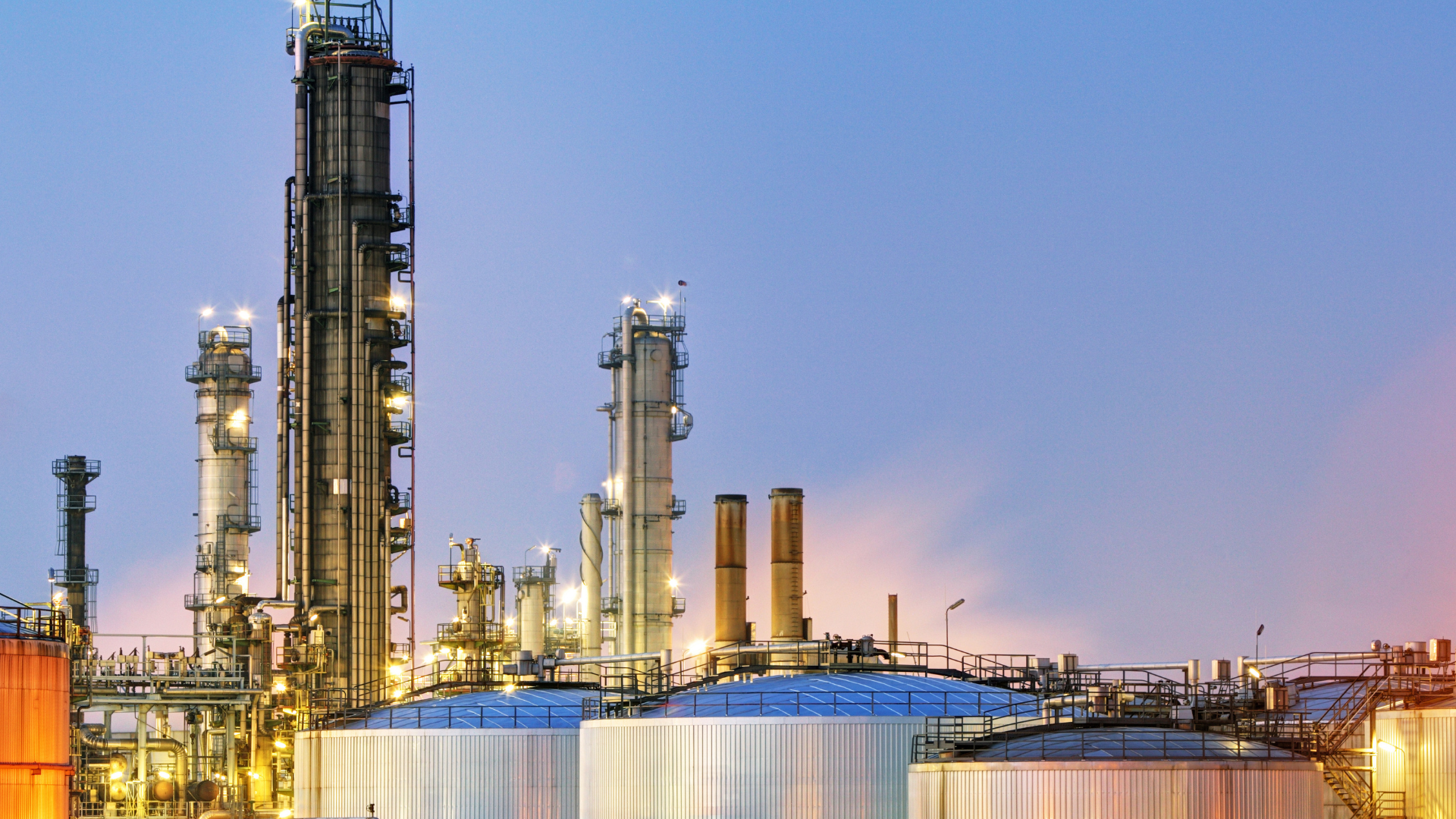
Produced water disposal planning for oil and gas.
Produced water management requires balancing disposal, reuse, recycling and on-site volume reduction as oil and gas operations manage high-salinity wastewater. This guide breaks down five key decisions for building a practical, compliant produced water strategy.
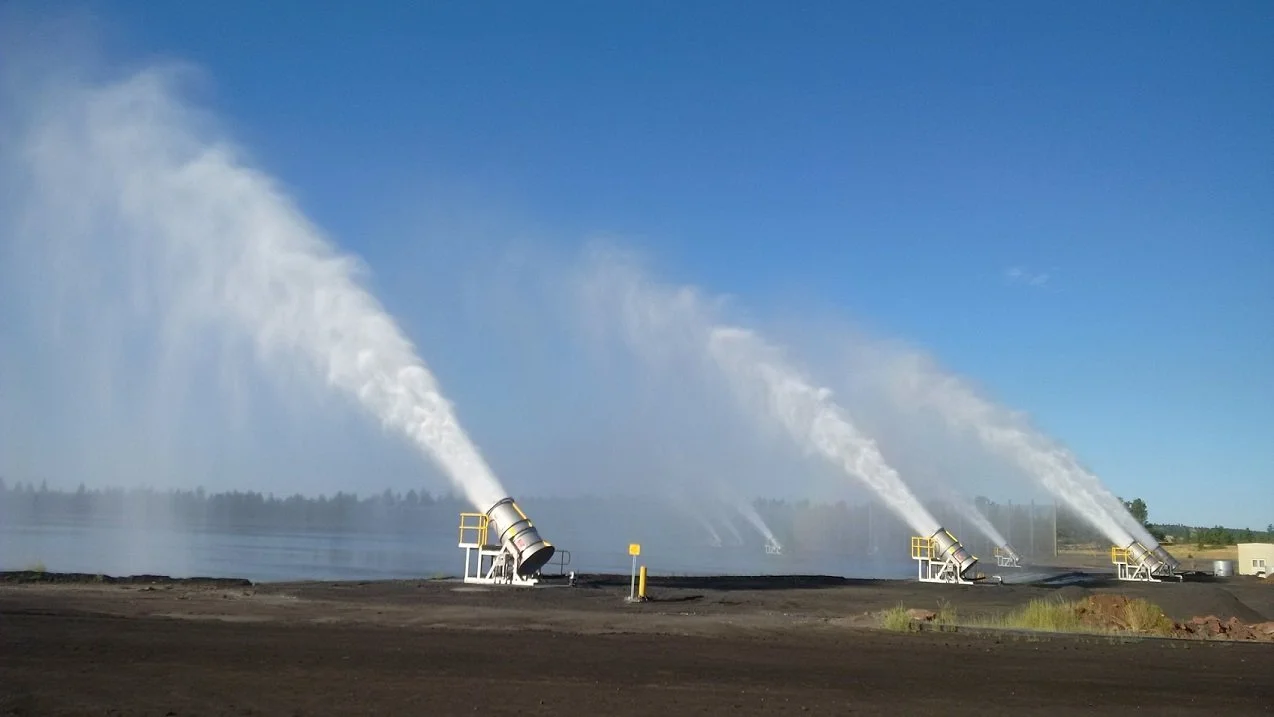
XPEL evaporation solution for power plant wastewater.
Power generation facilities generate wastewater streams, coal ash water, cooling tower blowdown, high-salinity brine, that resist a single treatment approach. XPEL evaporation reduces brine, blowdown and process water at power plants, cutting volume without new treatment infrastructure.
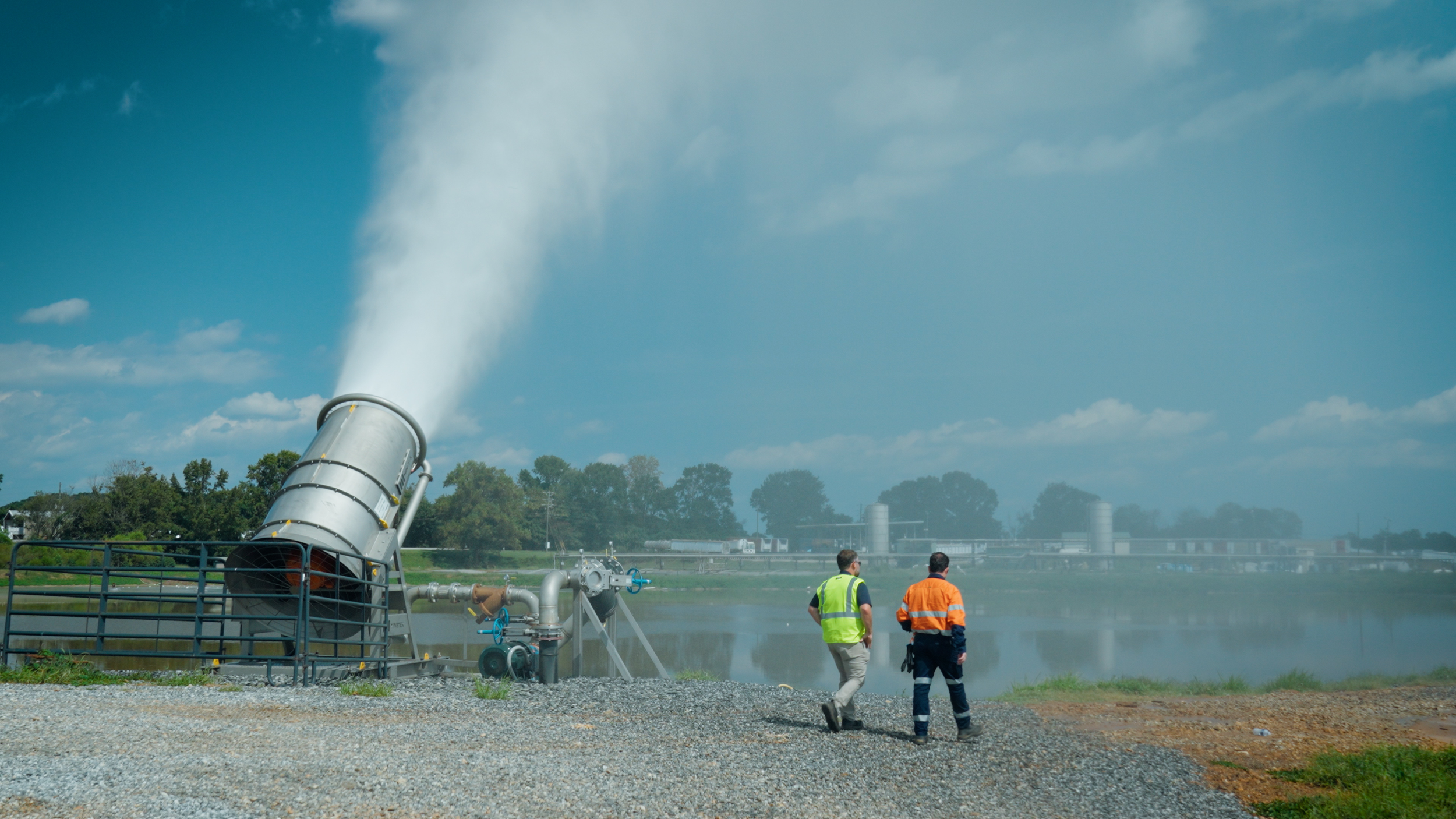
XPEL evaporator system for food processing plant wastewater.
Food processing plants don't run out of wastewater storage because ponds are too small, they run out because production scales faster than the tanks built for it. See how a single onsite evaporator helped one Atlanta-area rendering plant remove up to 475,000 gallons a day and avoid a pond overflow before it became one.
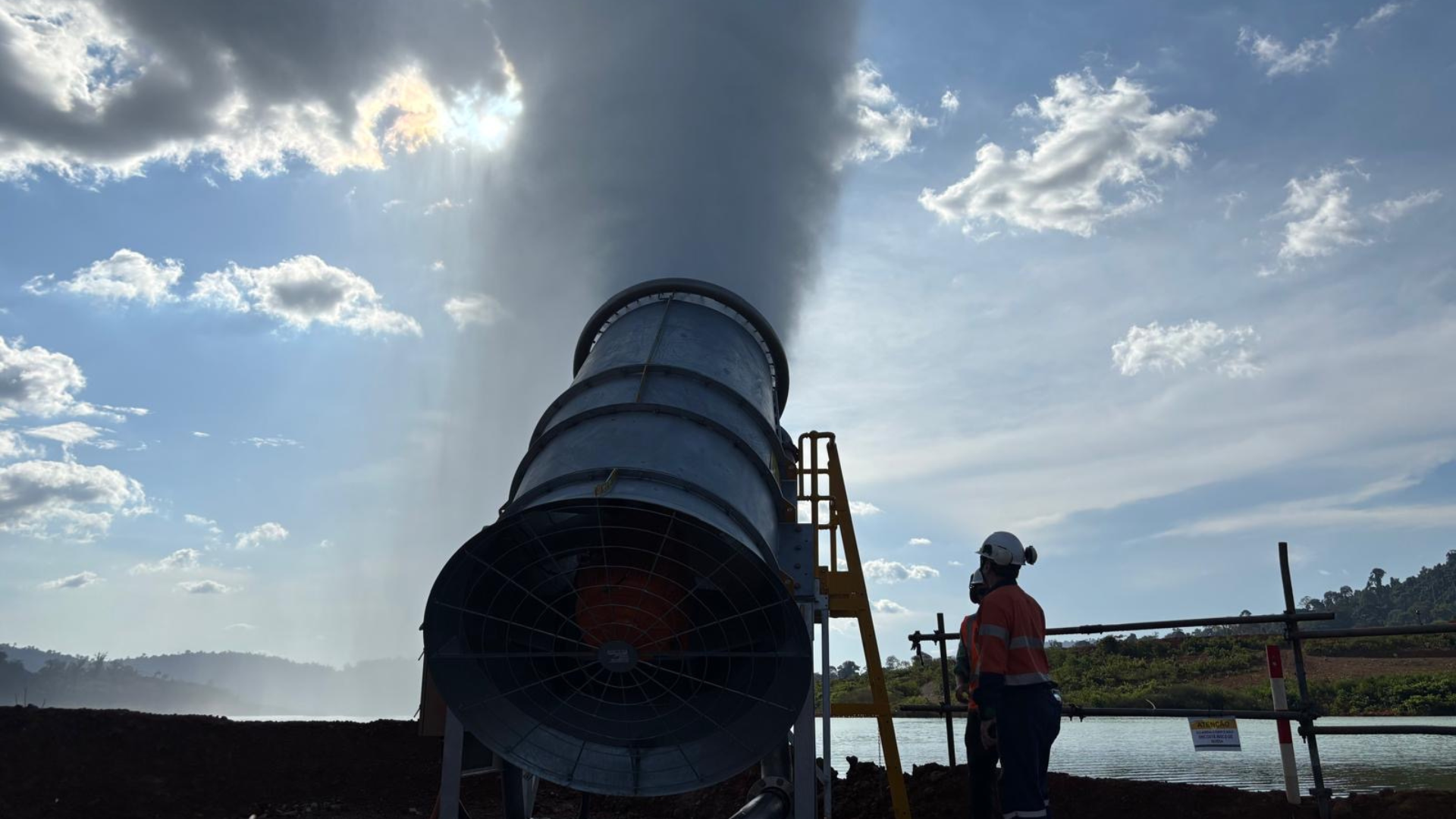
Expand onsite wastewater capacity at power plants in 2026.
Power generation facilities expand onsite wastewater capacity three ways: recycling water back into cooling and steam processes, cutting the total volume of coal ash water, blowdown, and brine that needs storage or treatment, and redesigning systems around the discharge limits.
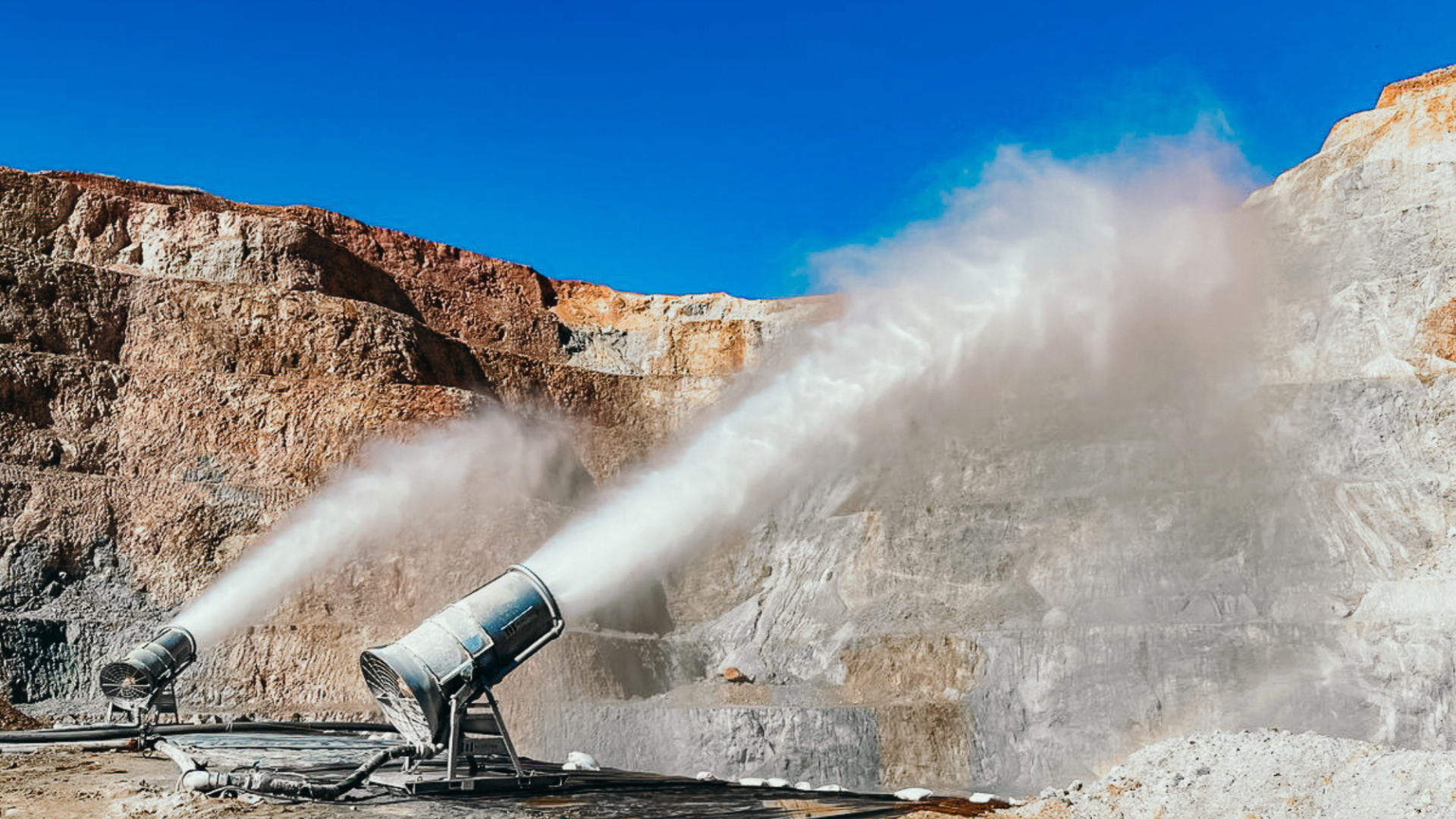
How to cut wastewater hauling costs in 2026.
Hauling is often billed as a simple per-gallon or per-load line item that hides the operational and compliance costs behind it, and facilities relying on scheduling or partial reuse alone still generate roughly the same total volume that eventually needs treatment or removal. XPEL's evaporation systems, built on Mechanically Enhanced Evaporation (MEE) technology, physically remove wastewater volume onsite before it ever reaches storage or a truck.
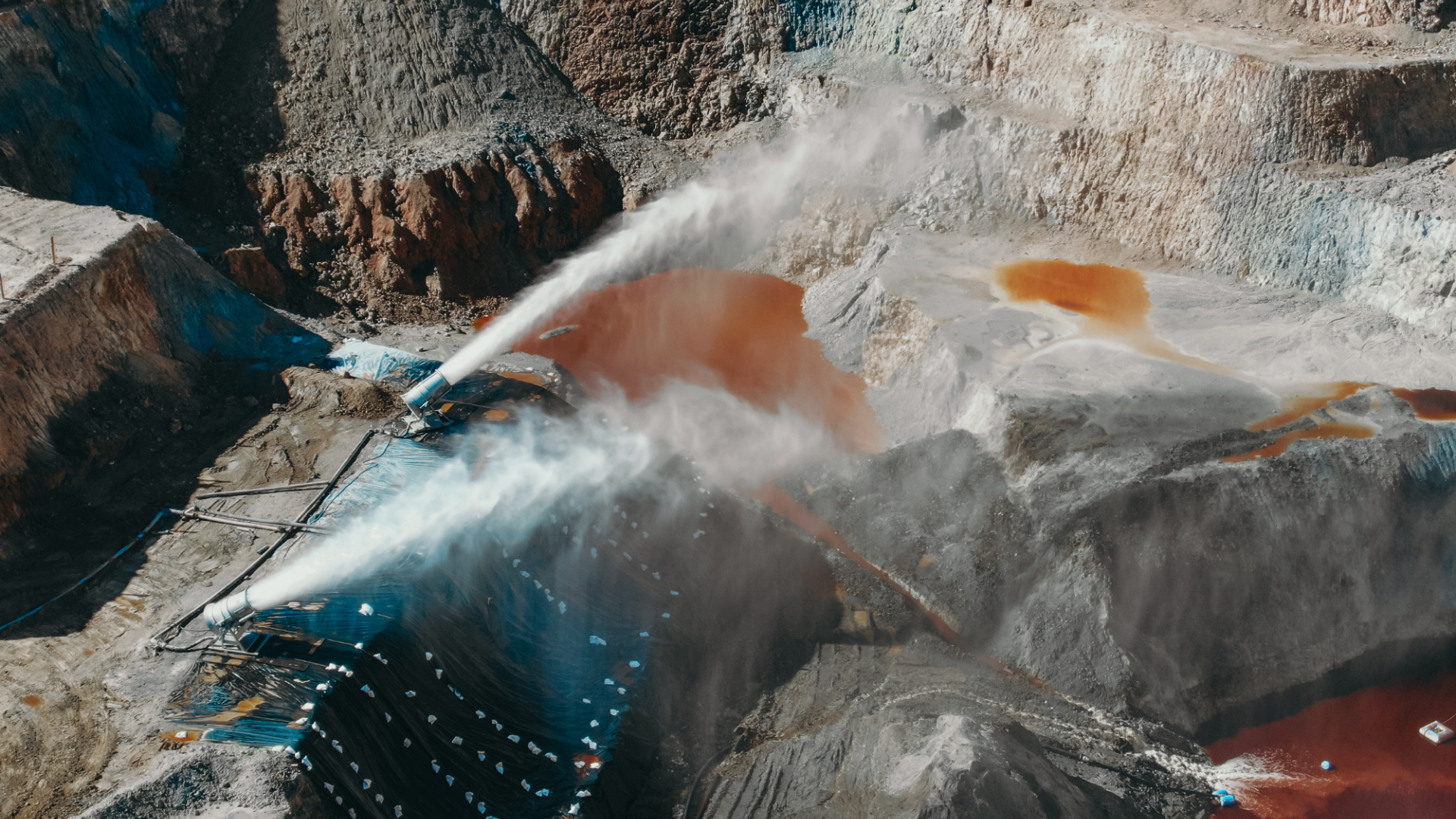
Myth vs Reality: The biggest misconceptions about mechanical water evaporation.
Are mechanical evaporators just spraying wastewater in the air? Explore the science behind mechanical water evaporation and why it is not the same as uncontrolled wastewater dispersal.
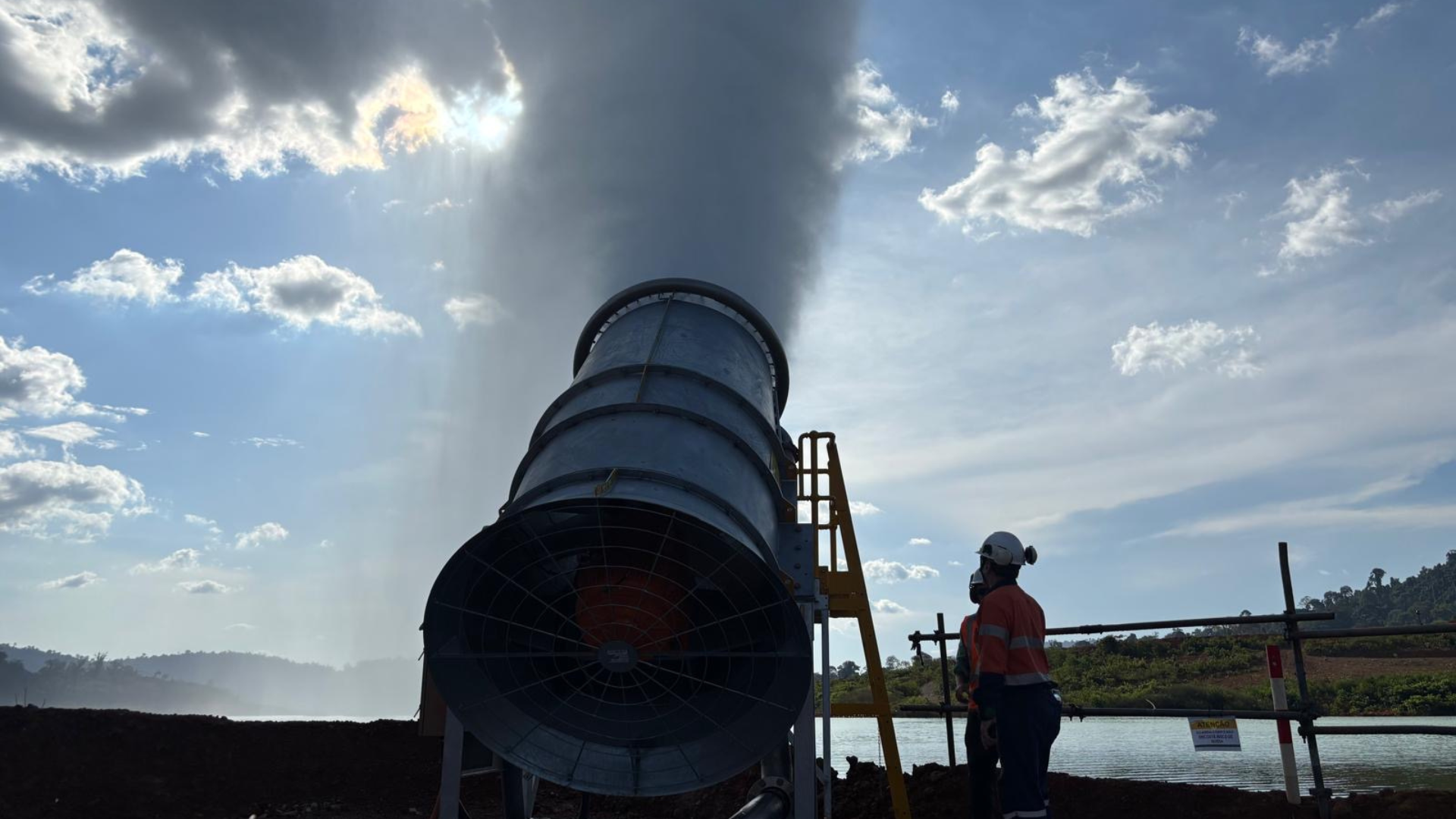
Food processing wastewater reduction in 2026.
Pond storage shrinks as production rises, and the standard fixes split into reducing the water you generate, reusing it across duties, and removing it from storage on site. This guide sets out how food processing plants cut wastewater volume, where mechanical evaporation fits, and how Minetek brings a holding pond back under control without chemicals.
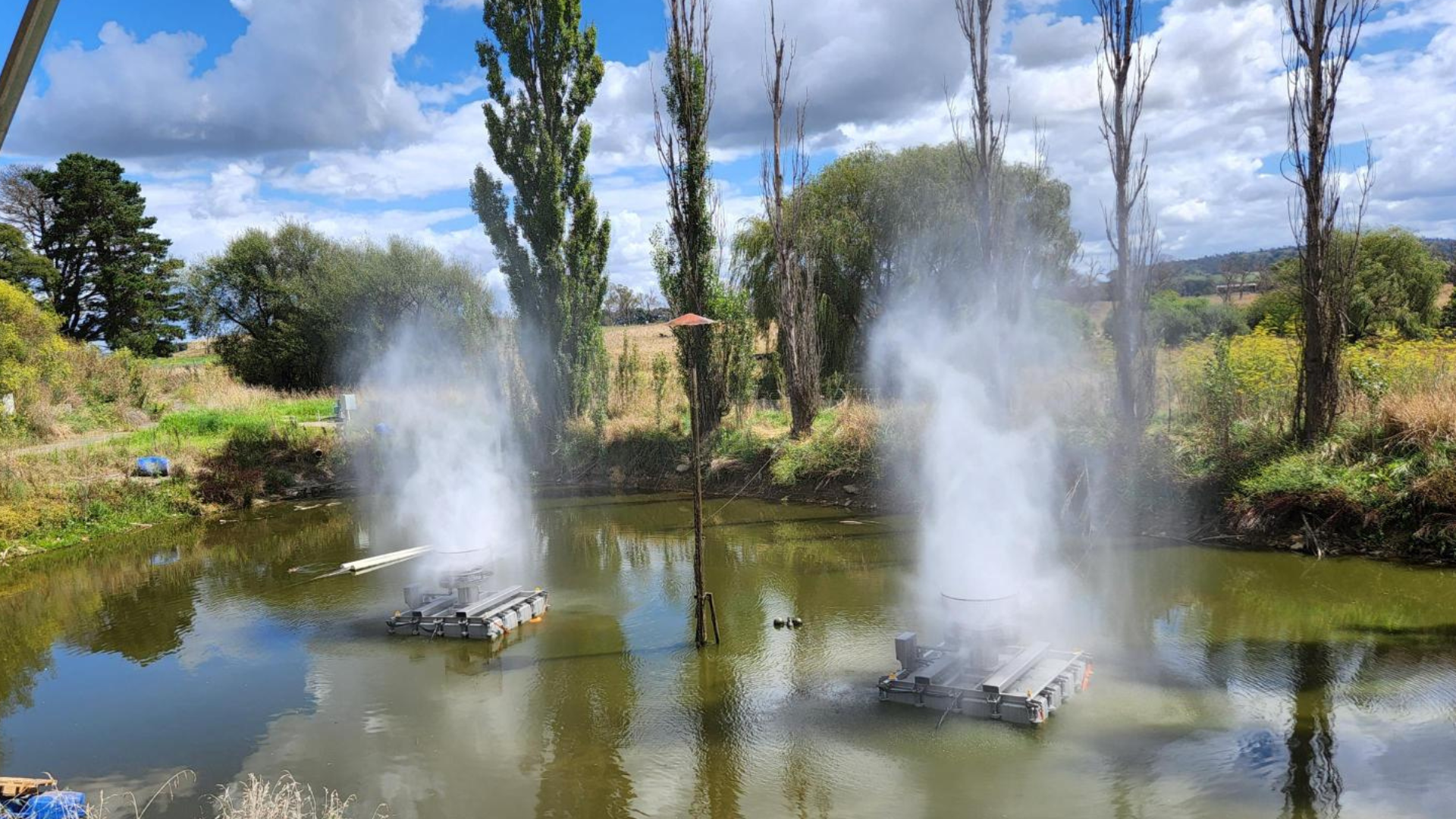
Landfill leachate and STP excess water management without a water treatment plant.
Municipal councils manage landfill leachate and excess water from STPs by mechanical evaporation, without a water treatment plant or a discharge permit.
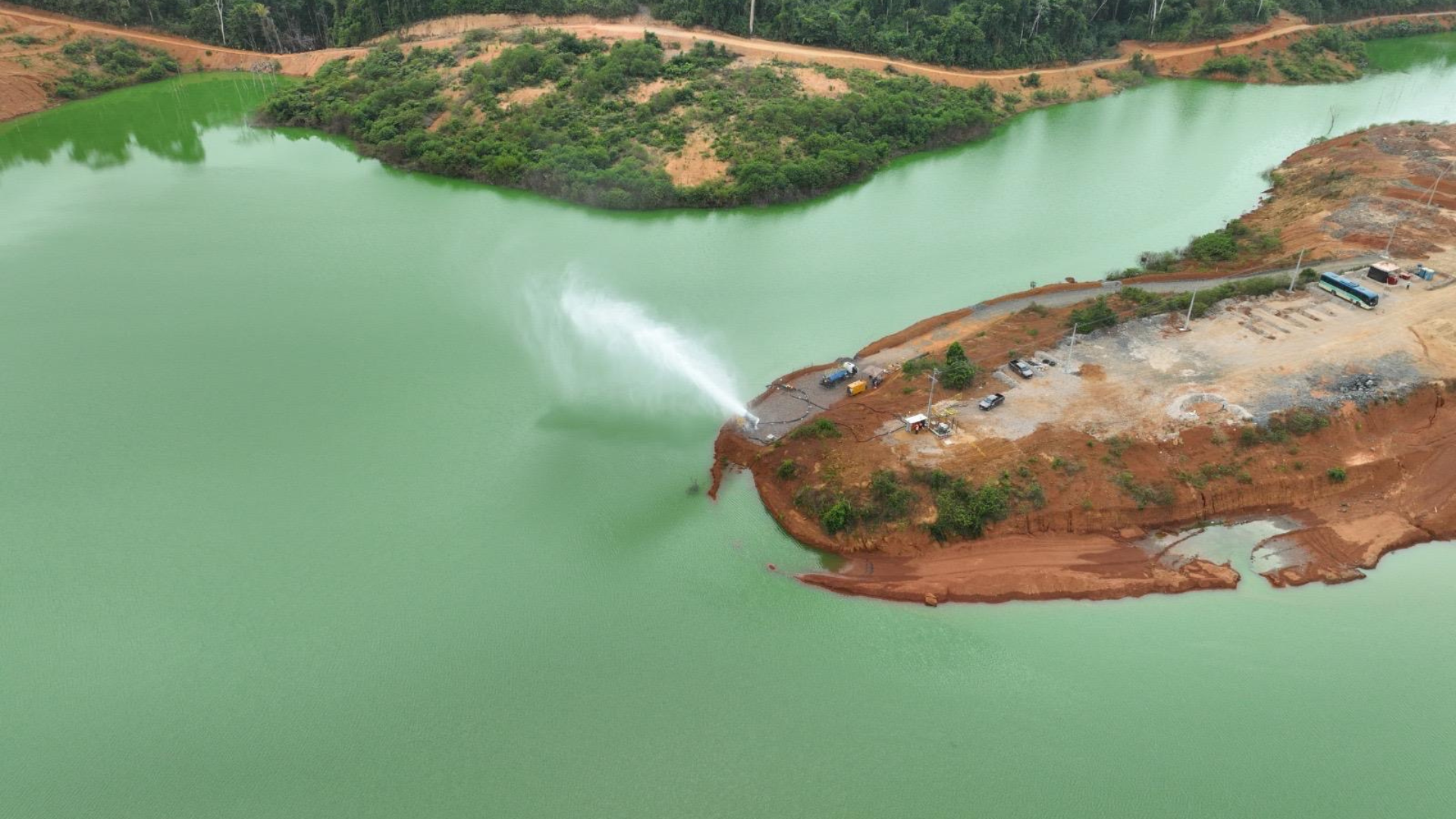
Why heavy rain breaks mine site water balance control.
Heavy rainfall can disrupt mine site water balance fast, overwhelming dams, dewatering pumps, and storage systems. Learn why stormwater creates risk, how monitoring reveals early warning signs, and what operational responses can help mining sites regain control safely.
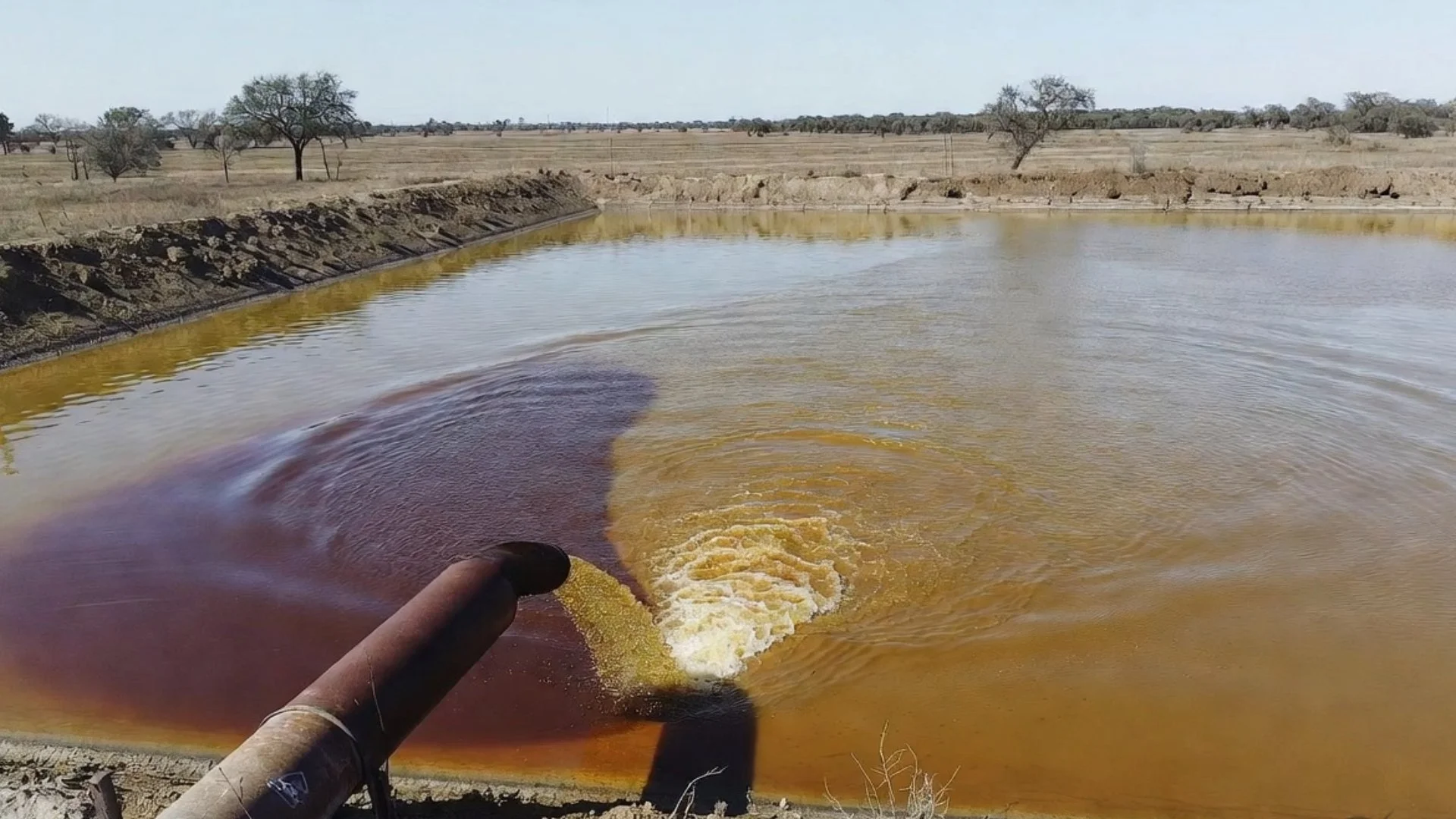
How mechanical evaporation systems help manage ammonia in industrial wastewater
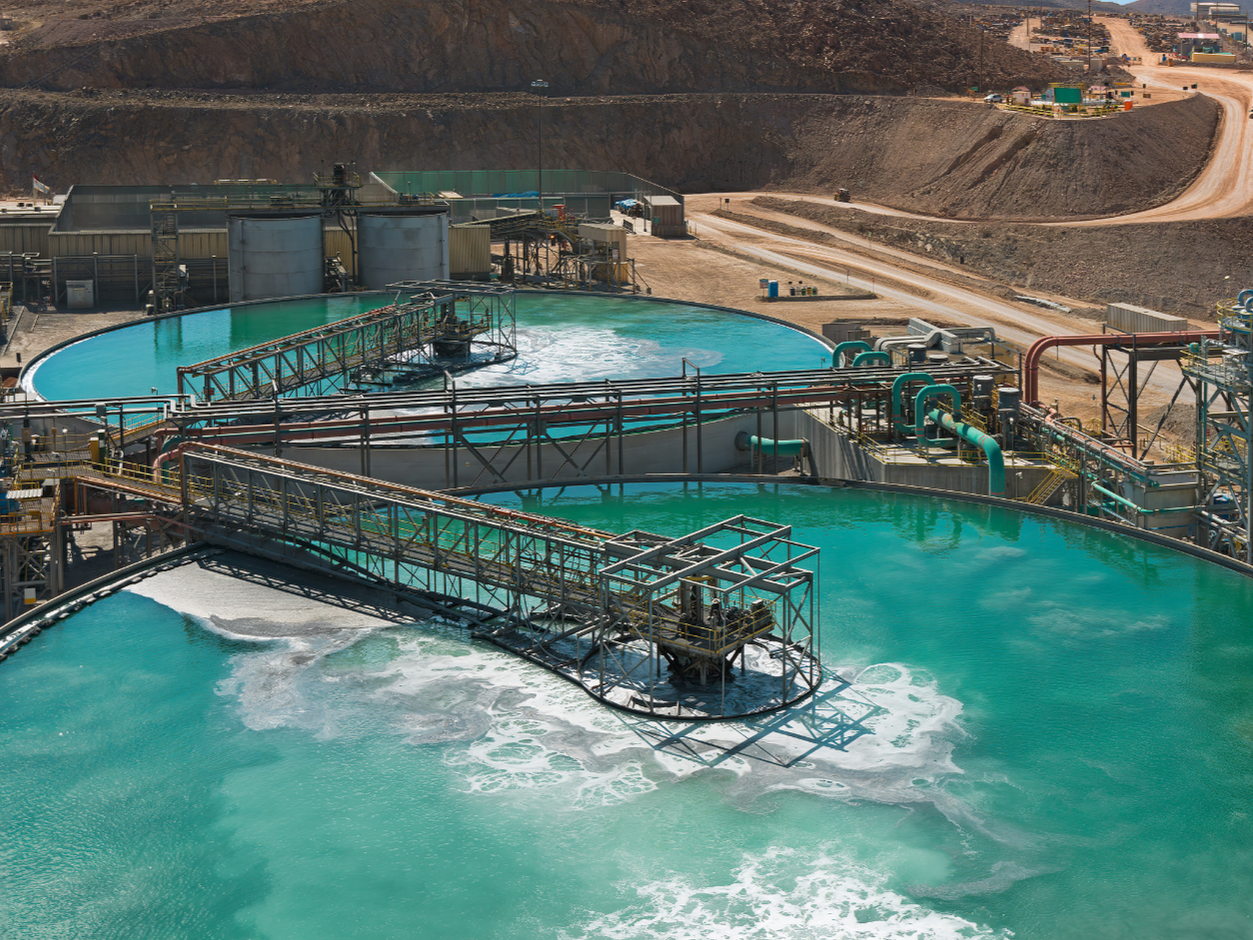
Hydropower basics within modern U.S. power generation’s water management
Hydropower remains a cornerstone of U.S. renewable electricity, supplying 27% of utility-scale renewable generation. Disciplined water management underpins generation reliability, firm capacity, and long-term grid resilience.
1 in 4 U.S. public water systems report violations under the National Primary Drinking Water Regulations
25% of U.S. public water systems reported regulatory violations under the National Primary Drinking Water Regulations. Tightening standards, ageing infrastructure, and residual management pressures are increasing compliance risk for municipal utilities.
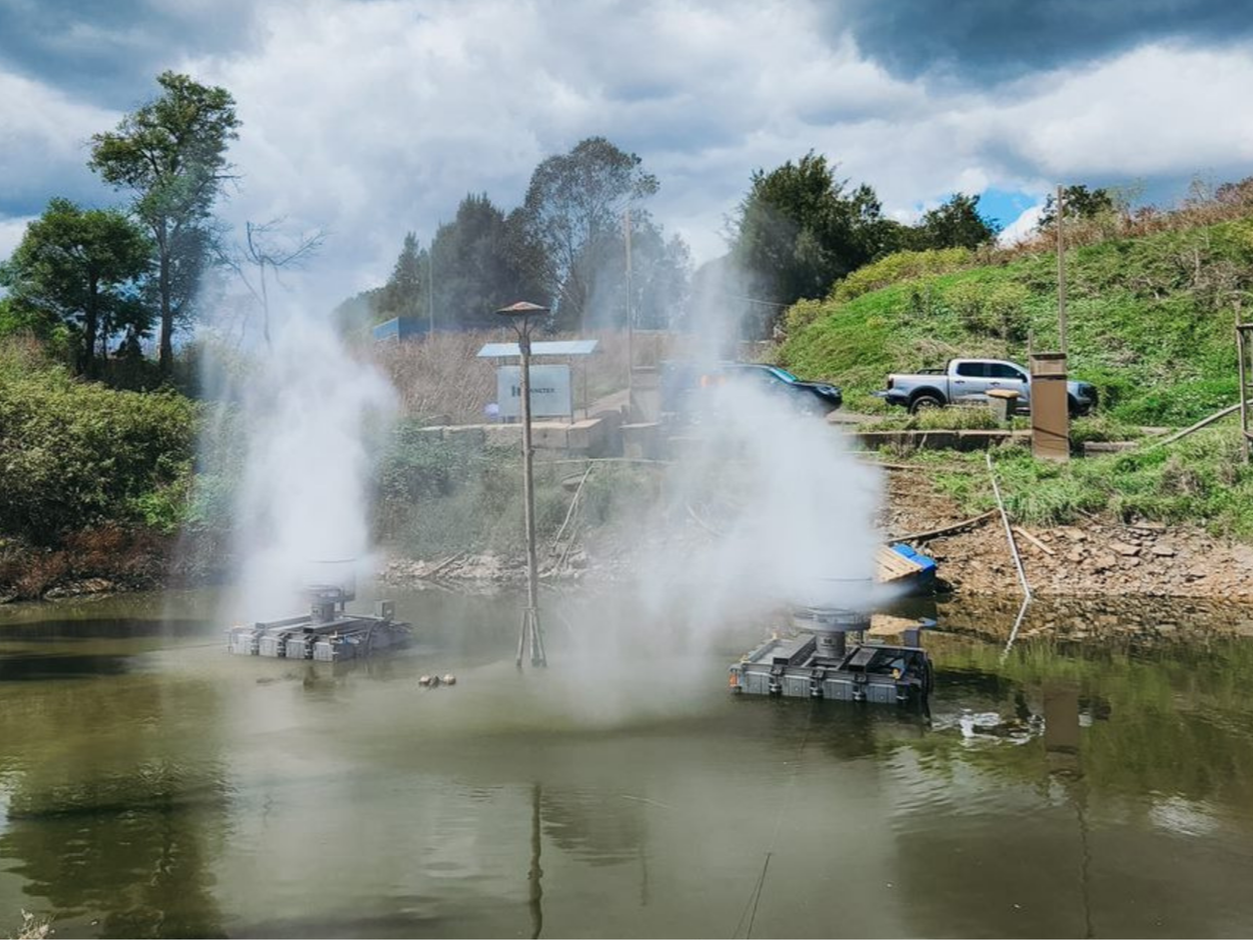
Beyond water treatment: The landfill leachate disposal challenge in the U.S.
Landfill leachate in the U.S. is becoming more concentrated, more complex, and more regulated. Rising salinity, PFAS scrutiny, and persistent concentrate volumes are tightening disposal pathways and pushing operators beyond treatment alone.
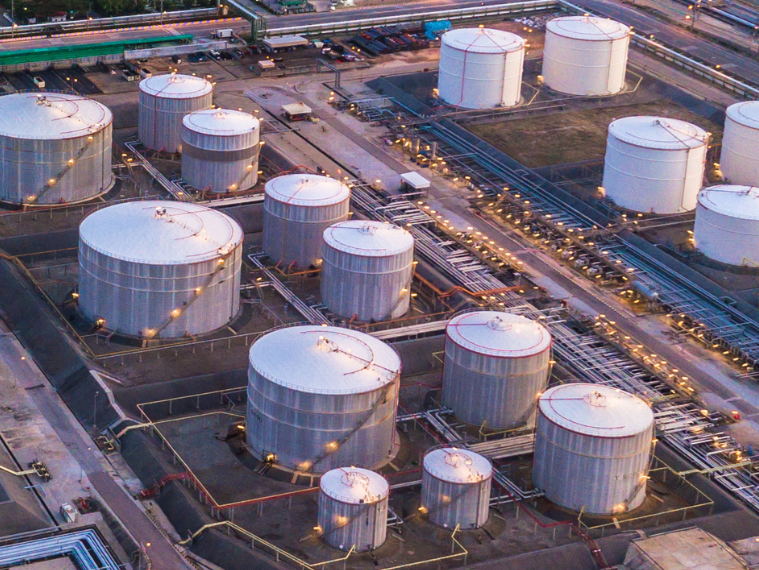
2 billion gallons a day: Why oil and gas disposal pressure is reaching its limit.
Oil and gas operators in Texas are managing billions of barrels of produced water each year. As injection volumes grow and pressure limits tighten, disposal capacity, compliance risk, and production continuity are increasingly under strain.
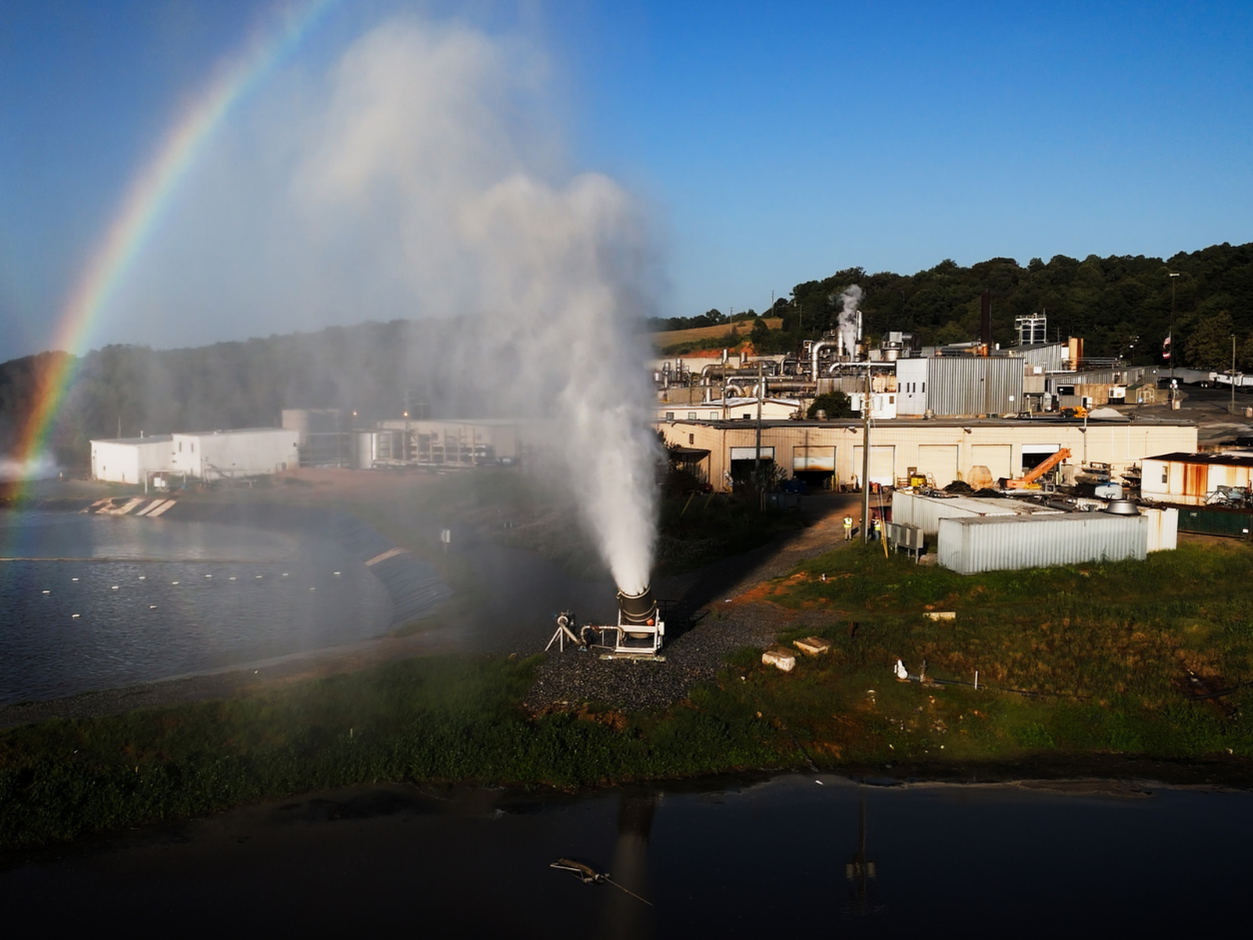
The operational reality of wastewater management in U.S. food and beverage manufacturing
Food and beverage manufacturing generates complex, high-strength wastewater that is increasingly expensive to manage. Treatment remains essential, but it often struggles under variability and peak flows. Learn how volume reduction helps food and beverage facilities stabilise performance, reduce risk, and protect production continuity.
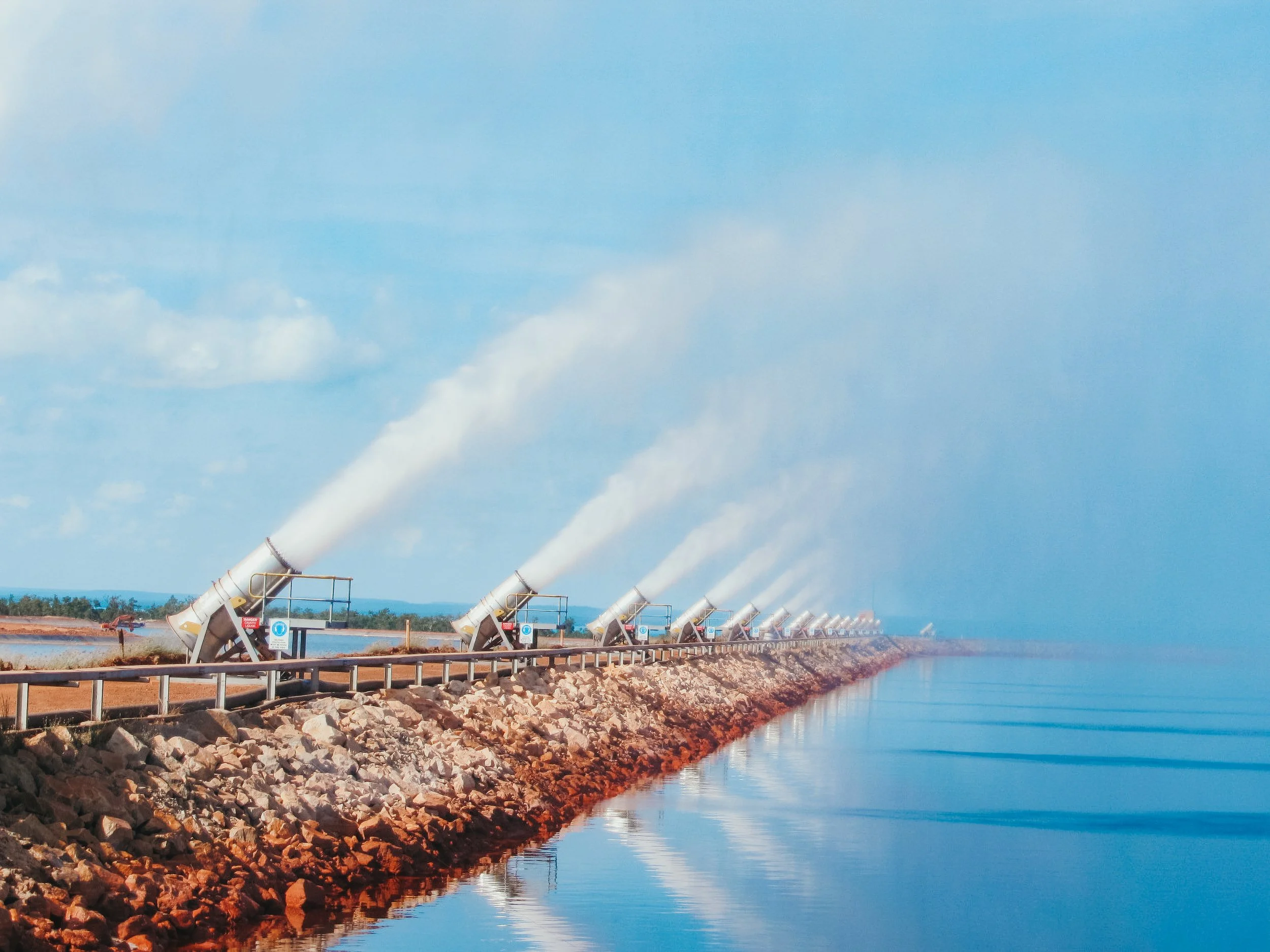
Sustainable water management strategies across industries.
As global water scarcity and environmental pressures intensify, industries must adopt sustainable water management strategies to ensure operational resilience and regulatory compliance.