

The operational reality of wastewater management in U.S. food and beverage manufacturing
Wastewater is one of the few operational risks food processors cannot pause, outsource, or ignore. Every production run, sanitation cycle, and regulatory inspection adds pressure to systems already managing high-strength, highly variable wastewater under increasingly fragmented rules.
Wastewater in food and beverage processing carries highly variable streams that are increasingly difficult to control as discharge limits tighten, disposal costs rise, and regulatory oversight becomes more fragmented across jurisdictions.
These pressures are pushing processors to treat wastewater as a strategic operational risk. Many food processors now prioritize conventional treatment alongside volume reduction strategies to reduce risk, control cost, and maintain flexibility under tightening regulatory conditions.
Key takeaway summary
Wastewater management in food and beverage:
Water intensity: Food plants can generate thousands of gallons of wastewater per ton of product, depending on process and subsector
Primary contaminants: High BOD, COD, TSS, nutrients, fats, and grease
Regulatory driver: Clean Water Act effluent guidelines layered with state and local pretreatment limits
Cost pressure: Organic loading can account for up to 65-80% of wastewater treatment costs
Strategic shift: Volume reduction increasingly used to stabilise treatment performance and reduce disposal dependency
Volume reduction impact: Up to ~290,000 gallons per day removed at peak capacity, avoiding tens of millions of gallons per year from hauling, treatment, or discharge pathways
How food processing operations generate complex wastewater
Wastewater generation in food processing is directly tied to core production and sanitation activities, including:
Equipment cleaning and sanitation cycles
Raw material washing and preparation
Cooking, blanching, cooling, and rinsing operations
Product changeovers, spills, and off-spec material
As outlined in the study “Characteristics of Food Industry Wastewaters and Their Potential Application in Biotechnological Production” published by MDPI, the volume and composition of wastewater vary widely by subsector. Dairy facilities typically generate wastewater rich in fats and proteins. Meat and poultry processors manage elevated solids and grease. Beverage plants often produce large volumes with variable sugar content. This diversity makes wastewater management highly site-specific and difficult to standardise across facilities.
Why treatment alone struggles in food processing environments
Food processing wastewater is inherently variable due to production cycles, sanitation events, and seasonal demand. Treatment systems are designed for regular operating conditions, but during peak flow or high-load events they become stressed, driving higher operating costs and increasing compliance risk.
According to a U.S. Geological Survey investigation of food, beverage, and feedstock processing facilities across 17 U.S. states, process wastewater was found to contain a wide range of organic and microbial contaminants at varying concentrations, highlighting the complexity and variability of industrial wastewater streams. This variability makes treatment performance difficult to stabilise, particularly when systems are sized for average conditions rather than peak events. Industry analysis from Food Engineering Magazine reinforces that treatment infrastructure remains essential for compliance, but is often stretched under fluctuating volumes and contaminant loads.
Regulatory and geographic complexity intensifies the problem
Wastewater compliance is not governed by a single standard. While the Clean Water Act establishes federal baseline requirements, state agencies and local sewer authorities frequently impose more stringent discharge limits, monitoring obligations, and enforcement thresholds.
As outlined by the U.S. Environmental Protection Agency Effluent Guidelines, effluent limitations are layered with state and municipal requirements that vary significantly by location. A wastewater system that complies in one jurisdiction may fall short in another. For multi-site food processors, this variability increases exposure to compliance delays, temporary production limits, and unplanned cost escalation.
Why flexible, deployable wastewater systems matter for food and beverage manufacturers
In a fragmented regulatory environment, speed and flexibility are no longer optional. Wastewater capacity must be able to scale, relocate, or deploy rapidly in response to changing conditions.
Infrastructure-heavy treatment expansions often require long design timelines, permitting approvals, and construction. Portable and modular technologies reduce this exposure by allowing capacity to be added without major civil works. This approach enables processors to respond to regulatory pressure, production changes, or site-specific constraints without locking capital into permanent installations.
For food and beverage manufacturers operating multiple facilities, deployability becomes a strategic advantage. Wastewater capacity can move with operational demand rather than remaining fixed in place.
How evaporation fits into modern food wastewater management
Evaporation addresses a different problem than treatment. It focuses on volume control rather than contaminant removal.
By reducing wastewater volume upstream, evaporation lowers hydraulic load entering downstream systems, stabilizes treatment performance, and reduces reliance on hauling or constrained discharge infrastructure. Treatment remains in place to meet regulatory limits. Evaporation provides control over variability, peaks, and cost exposure.
Volume reduction is an effective way to manage high-strength, variable wastewater streams in food and beverage processing environments where treatment systems alone are often stretched.
XPEL capabilities for food and beverage wastewater management
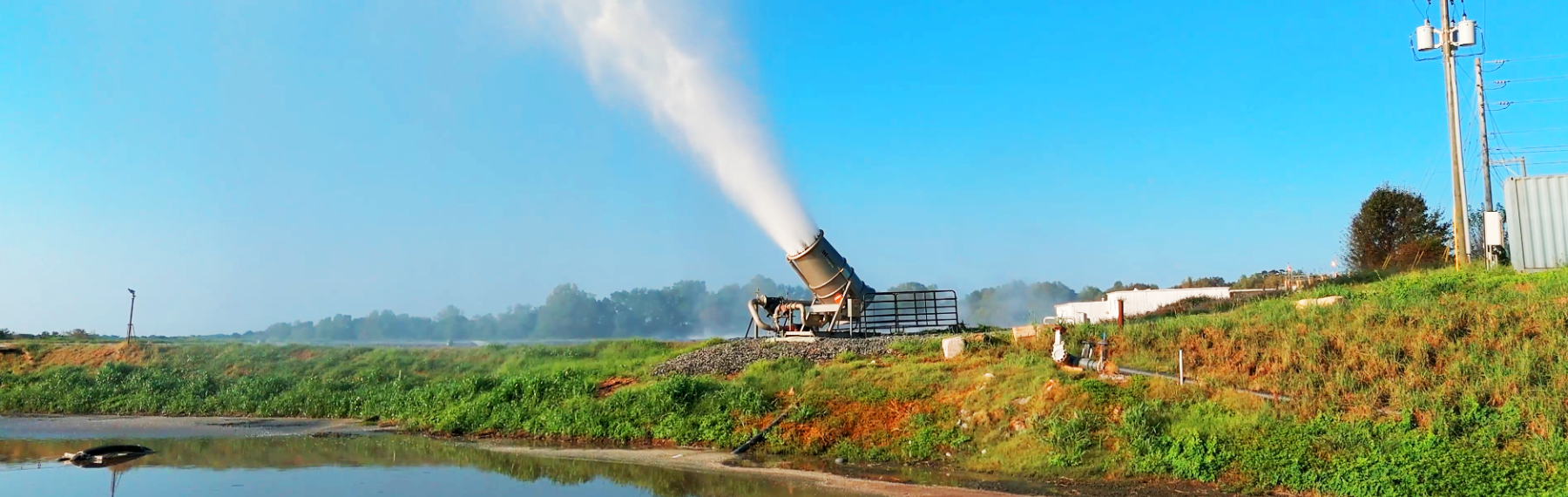
XPEL supports food and beverage processors with advanced mechanical evaporation systems designed to reduce wastewater volumes onsite. These systems are engineered for high-strength, variable wastewater streams and operate alongside existing treatment infrastructure.
XPEL evaporation systems help facilities:
Reduce wastewater volume before treatment or disposal
Manage peak loads that stress downstream systems
Lower hauling and disposal frequency
Improve operational predictability and compliance resilience
Because XPEL systems are portable and do not require permanent infrastructure construction, they can be deployed quickly, relocated between sites, and scaled as conditions change. This flexibility is particularly valuable in environments with evolving permits and geographic variability.
Case example. Georgia food processing facility
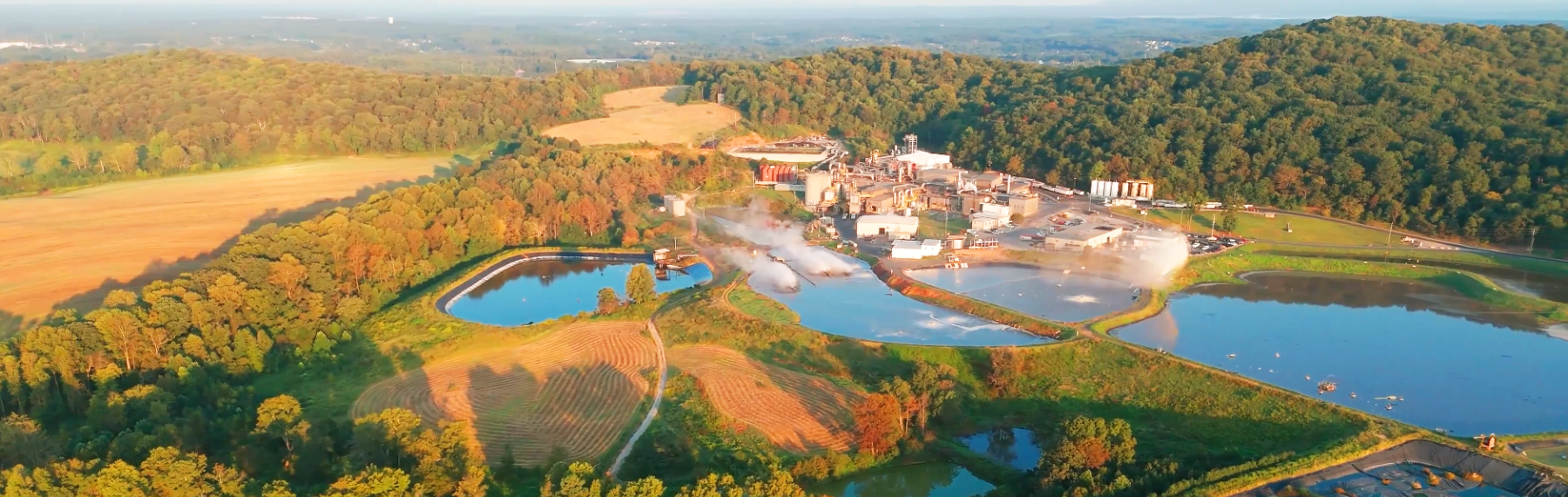
A food processing facility in Atlanta, Georgia faced an ongoing challenge managing wastewater volumes in an onsite retention pond while meeting environmental and operational requirements. Variable inflows and limited flexibility made it difficult to maintain stable water levels using conventional approaches alone.
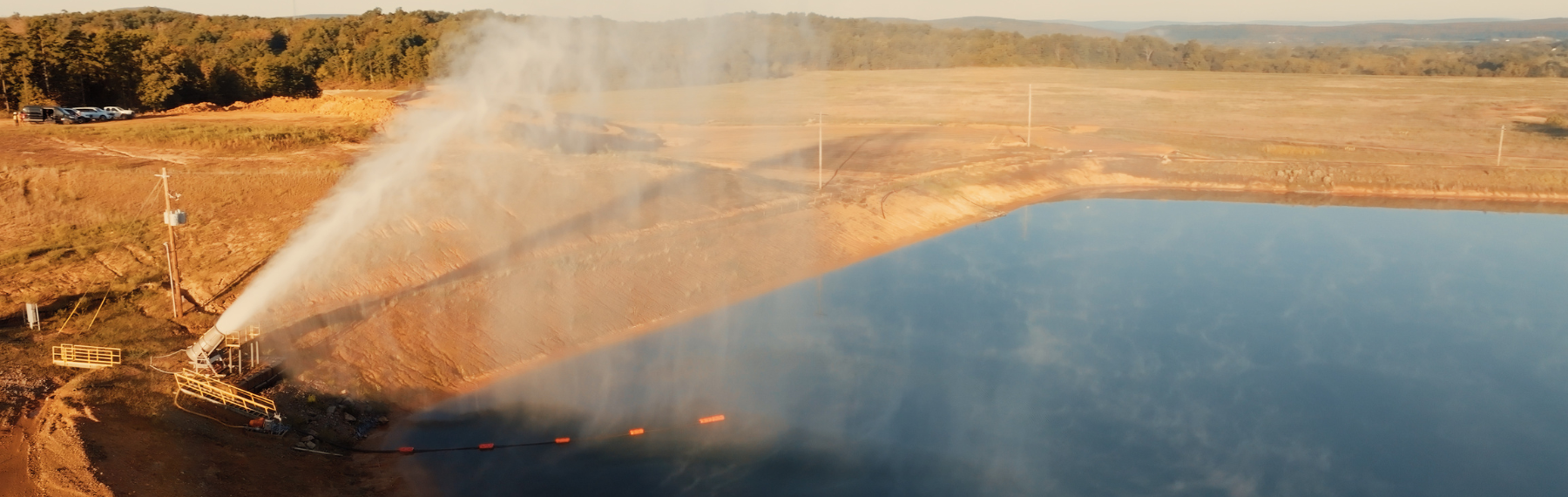
The facility implemented a land-based mechanical evaporation system with advanced environmental controls. The system was capable of processing up to 600 gallons per minute (GPM), equivalent to 135 cubic metres per hour, achieving an evaporation efficiency of approximately 34%. This enabled active regulation of pond levels without new civil construction.
At peak operation, the system can reduce wastewater volumes by roughly 290,000 gallons per day, translating to tens of millions of gallons per year removed from hauling, treatment, or discharge pathways. This level of volume reduction supports cost avoidance, improves compliance resilience, and enables uninterrupted operations during high-flow periods.
Wastewater management as a strategic advantage
Wastewater management is no longer just a compliance requirement for food processors. It is a controllable operational risk and cost driver.
Facilities that adopt flexible, resilient wastewater strategies gain greater control over compliance, improve cost predictability, and reduce exposure to regulatory and production volatility. As water constraints and regulatory scrutiny continue to intensify, proactive wastewater management becomes a competitive advantage rather than a back-end obligation.
For more information on integrating advanced mechanical evaporation technology in your water management strategies, contact the XPEL team today.
FAQs
What causes high wastewater volumes in food and beverage manufacturing?
High volumes are driven by sanitation cycles, raw material washing, cooking and rinsing processes, and frequent production changeovers, as documented by the U.S. EPA and industry wastewater studies.
How does wastewater variability affect treatment system performance?
Rapid changes in flow and contaminant load can destabilise treatment systems, increase energy use, and raise the risk of permit exceedances.
What regulatory limits apply to food processing wastewater in the U.S.?
Facilities must comply with EPA effluent limitation guidelines under the Clean Water Act and local pretreatment limits if discharging to municipal sewer systems.
Why are fixed wastewater systems risky for multi-site food processors?
Fixed systems can struggle to adapt to different regional limits, changing permits, and shifting production demands, increasing compliance and cost risk.
How can onsite evaporation reduce wastewater disposal costs?
By removing water before disposal, evaporation reduces the volume hauled or treated offsite, lowering disposal frequency and overall operating cost.