

Hydropower basics within modern U.S. power generation’s water management
Hydropower ties power generation directly to water management, placing water storage, release discipline, and long-term supply conditions at the core of electricity reliability.
Hydroelectric facilities convert flowing water into energy through turbines and generators. According to the U.S. Department of Energy, hydropower provides roughly 6% of total U.S. utility-scale electricity and about 27% of renewable generation. Pumped storage accounts for nearly 90% of U.S. utility-scale energy storage capacity.
Understanding how hydropower works and how water management underpins its performance is essential to evaluating the role of hydroelectric systems in modern power generation strategies.
Key takeaway summary
Power generation’s water management in hydropower
Generation dependency: Electricity output rises or falls with reservoir levels, runoff patterns, and controlled release strategy
Energy contribution: ~6% of total U.S. utility-scale electricity and ~27% of renewable generation, according to DOE
Grid stability role: Pumped storage represents nearly 90% of U.S. utility-scale energy storage capacity
Operational constraint: Seasonal variability, storm inflow, sediment basins, and auxiliary water streams can create volume management pressure at facilities
Risk driver: Limited pond capacity, discharge restrictions, and infrastructure constraints require controlled water handling strategies
Strategic support: Advanced mechanical evaporation can reduce excess water volumes and provide flexible capacity relief without permanent infrastructure expansion
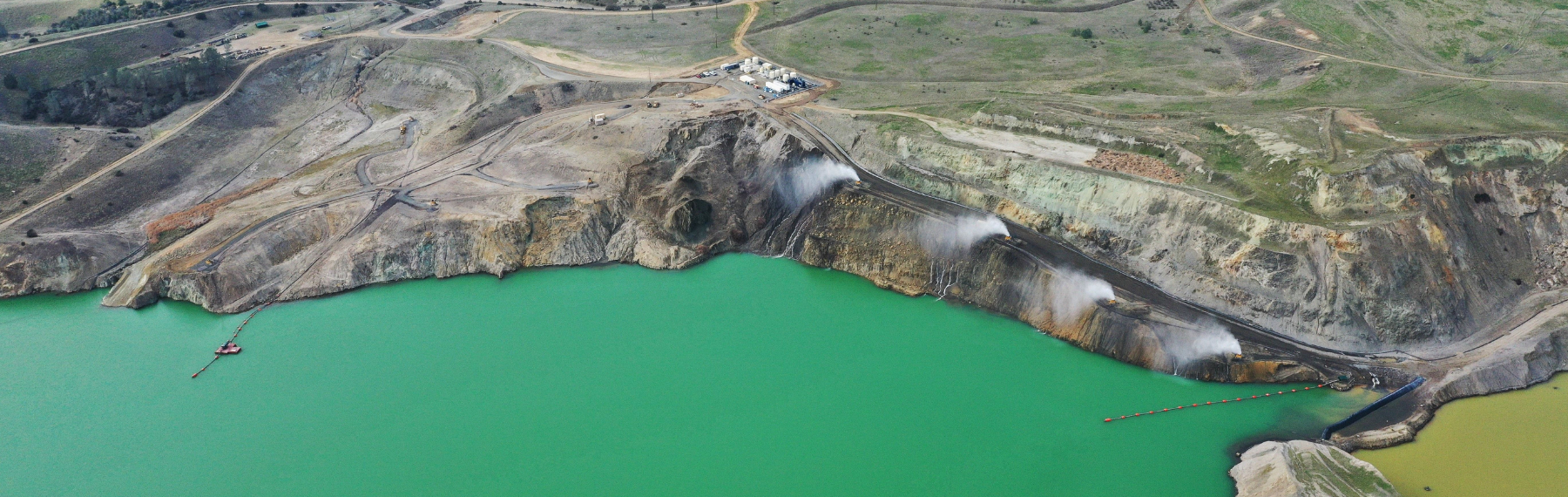
What is hydropower and how does it work?
Hydropower generates electricity by converting the natural movement of water into mechanical energy through turbines and generators. It is one of the oldest and largest renewable energy sources in the United States and plays a central role in both electricity production and grid-scale energy storage.
Hydropower uses the kinetic energy of flowing or falling water to spin turbine blades, which are connected to generators. As water moves through a controlled channel or penstock, mechanical rotation is converted into electricity and delivered to the grid.
Its national contribution remains significant. According to the U.S. Energy Information Administration, hydropower accounts for 27.37% of total U.S. utility-scale renewable electricity generation and 5.86% of total U.S. utility-scale electricity generation. Pumped storage hydropower accounts for 88% of U.S. utility-scale energy storage capacity, helping stabilise the grid during peak demand.
A 2023 study by the National Renewable Energy Laboratory on hydropower flexibility estimates that U.S. hydropower facilities provide more than 24 gigawatts of firm capacity, defined as the guaranteed minimum electricity output available during periods of grid stress. This level of dependable generation is sufficient to supply electricity to approximately 16-24 million homes. In certain regions, its role is even more pronounced. The DOE also noted that Washington sourced roughly 60% of its electricity from hydropower in 2023.
Hydropower facilities vary in size, design, and operating model.
Common hydropower facility configurations include:
Impoundment dams that store water in reservoirs and release it through controlled channels to regulate output
Run-of-river systems that generate electricity using natural river flow with limited storage
Diversion systems that channel part of a stream through a powerhouse before returning water downstream
Pumped storage facilities that move water between reservoirs at different elevations to store and dispatch electricity
This range of configurations demonstrates a core principle. Hydropower performance depends entirely on how water is stored, regulated, and released within each system.
How water management shapes hydropower performance
Water management directly determines hydropower performance by controlling reservoir storage, flow timing, and release volumes. Because electricity generation depends on consistent water availability, operators must balance seasonal runoff, drought cycles, competing water demands, and grid requirements to maintain reliability and protect long-term generating capacity.
Hydropower output is governed by how effectively water is stored and released. Reservoir levels, inflow forecasts, and release schedules must align with both electricity demand and long-term resource planning.
The DOE’s Effects of Climate Change on Federal Hydropower under the Secure Water Act confirms this dependency. It reports that projected changes in freshwater supply are expected to influence hydropower generation at federal facilities, reinforcing that water availability and variability directly affect operational performance and planning horizons.
Seasonal snowpack, precipitation variability, and multi-year drought cycles shape how much energy facilities can reliably produce. During low inflow years, generation capacity declines. During high inflow events, operators must regulate releases to protect dam integrity and downstream conditions while preserving storage for future demand.
Competing water uses introduce additional constraints. Many hydropower reservoirs also support:
Flood control
Irrigation supply
Municipal water systems
Environmental flow requirements
Each function influences when and how water can be allocated for power generation.
Pumped storage facilities require even greater operational discipline. Energy is stored when demand is low and dispatched during peak periods, making accurate water level forecasting and release control essential.
In hydropower, water management is not secondary to generation. Instead, it defines generation performance.
Operational water challenges at hydropower facilities
Hydropower facilities manage more than the generation flow. Excess inflows, sediment accumulation, stormwater, and auxiliary water streams can create storage constraints, infrastructure stress, and discharge pressure that require disciplined water handling to maintain safety, reliability, and operational continuity.
Beyond turbine releases, hydropower operators must actively manage multiple water-related pressures.
Key operational water challenges include:
Excess inflows during heavy rainfall or rapid snowmelt can strain reservoir capacity and spillway systems
Flood control obligations require precise coordination between water release and generation targets
Sediment accumulation, which reduces storage capacity and may affect turbine efficiency over time
Stormwater and surface runoff from the dam infrastructure and surrounding facilities
Auxiliary water streams, including equipment cooling water, maintenance dewatering, powerhouse drainage, and turbine service water
Extreme weather variability, creating alternating conditions of water surplus and scarcity
Each of these factors influences how water is stored, controlled, and released. In hydropower, power generation water management extends beyond electricity production into infrastructure protection, capacity planning, and long-term asset resilience.
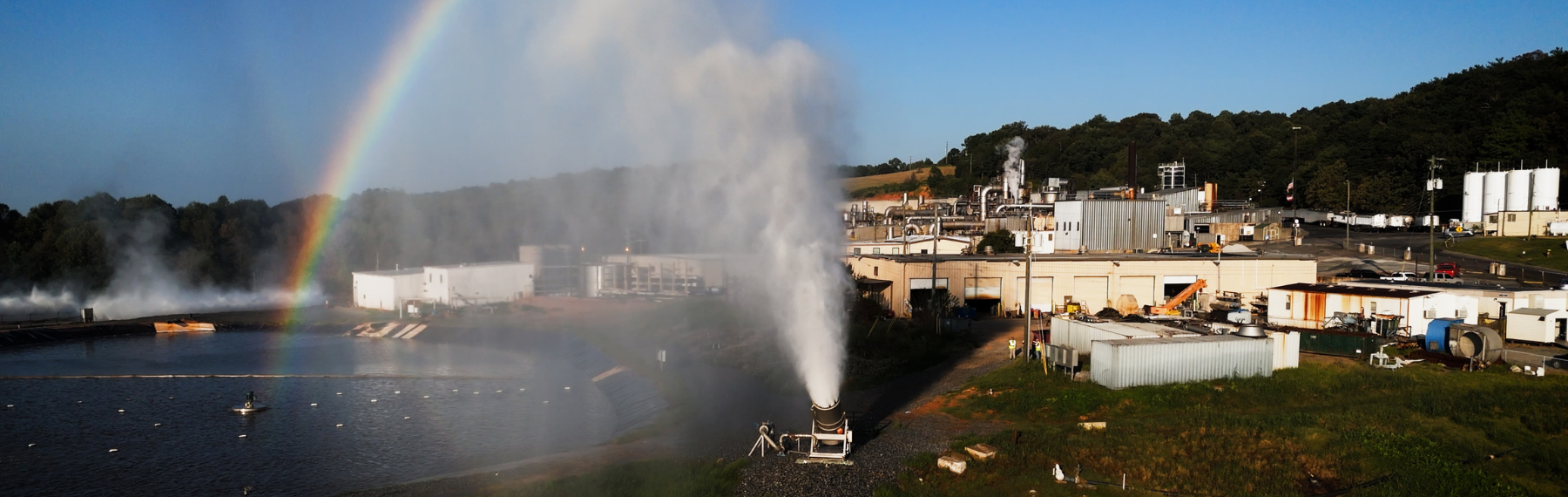
Where advanced evaporation supports the hydropower water strategy
Advanced mechanical evaporation can support hydropower facilities by reducing excess water volumes, stabilising pond capacity, and improving operational flexibility during high-inflow or maintenance events. XPEL evaporation technology strengthens broader power generation water management strategies while preserving core generation infrastructure.
Hydropower facilities occasionally experience conditions in which water volumes exceed optimal operating levels. Heavy rainfall, rapid snowmelt, sediment basin drawdowns, or maintenance activities can create temporary storage pressure, requiring disciplined water management.
In these scenarios, targeted volume reduction enhances operational control.
XPEL evaporation technology supports hydropower facilities by:
Reducing excess water accumulation in auxiliary ponds or containment areas
Preserving basin capacity during peak inflow periods
Minimising reliance on hauling or emergency discharge pathways
Supporting maintenance shutdowns where dewatering is required
Deploying flexibly without permanent civil infrastructure expansion
Because XPEL water evaporation units are portable and require no structural modification to dam operations, they integrate into existing water management frameworks while maintaining generation stability.
Hydropower performance depends on disciplined water management
Hydropower remains one of the most established and strategically important renewable energy sources in the United States. Its contribution to electricity generation, energy storage, and grid stability is significant. Yet its performance is governed by water availability, reservoir strategy, and operational control.
Effective power generation water management extends beyond turbine mechanics. It requires disciplined storage planning, controlled releases, and infrastructure resilience under fluctuating hydrologic conditions. As climate variability and operational pressures increase, flexibility becomes essential.
XPEL water evaporation strengthens hydropower water strategy by supporting volume control, preserving basin capacity, and enhancing operational flexibility without permanent infrastructure expansion.
Discover how XPEL evaporation technology can support a power generation’s water management strategy. Connect with one of our water management experts.
FAQs
How does hydropower generate electricity?
Hydropower generates electricity by converting the energy of flowing or falling water into mechanical rotation, which is then converted into electricity by turbines connected to generators. As water passes through controlled channels or penstocks, it spins turbine blades that drive generators to produce electricity. Output depends on flow rate, elevation difference, and reservoir management, making water availability central to generation performance.
Why is water management critical in hydropower facilities?
Water management directly determines hydropower reliability. Operators must control reservoir storage, release timing, and inflow forecasting to balance electricity demand, flood control, and environmental requirements. Seasonal runoff, drought cycles, and competing water uses influence how much electricity a facility can produce and how consistently it can meet grid demand.
What operational water challenges do hydropower plants face?
Hydropower facilities manage more than the generation flow. Excess inflows, sediment accumulation, stormwater runoff, and auxiliary water streams can create storage constraints and infrastructure stress. High-inflow events may strain basin capacity, while sediment buildup can reduce storage volume over time. These pressures require disciplined water handling beyond routine turbine operations.
How does pumped storage support grid stability?
Pumped storage hydropower supports grid stability by storing energy when demand is low and releasing it during peak periods. Water is pumped to a higher reservoir during off-peak hours and released to generate electricity when demand rises. In the United States, pumped storage accounts for approximately 88% of utility-scale energy storage capacity, making it critical for balancing renewable energy sources.
Where can XPEL evaporation technology support hydropower facilities?
XPEL evaporation technology can support hydropower facilities by reducing excess water volumes in auxiliary ponds, sediment basins, or containment areas during high-inflow or maintenance periods. By improving volume control and preserving storage capacity, XPEL systems enhance operational flexibility without requiring permanent structural changes to generation infrastructure.