

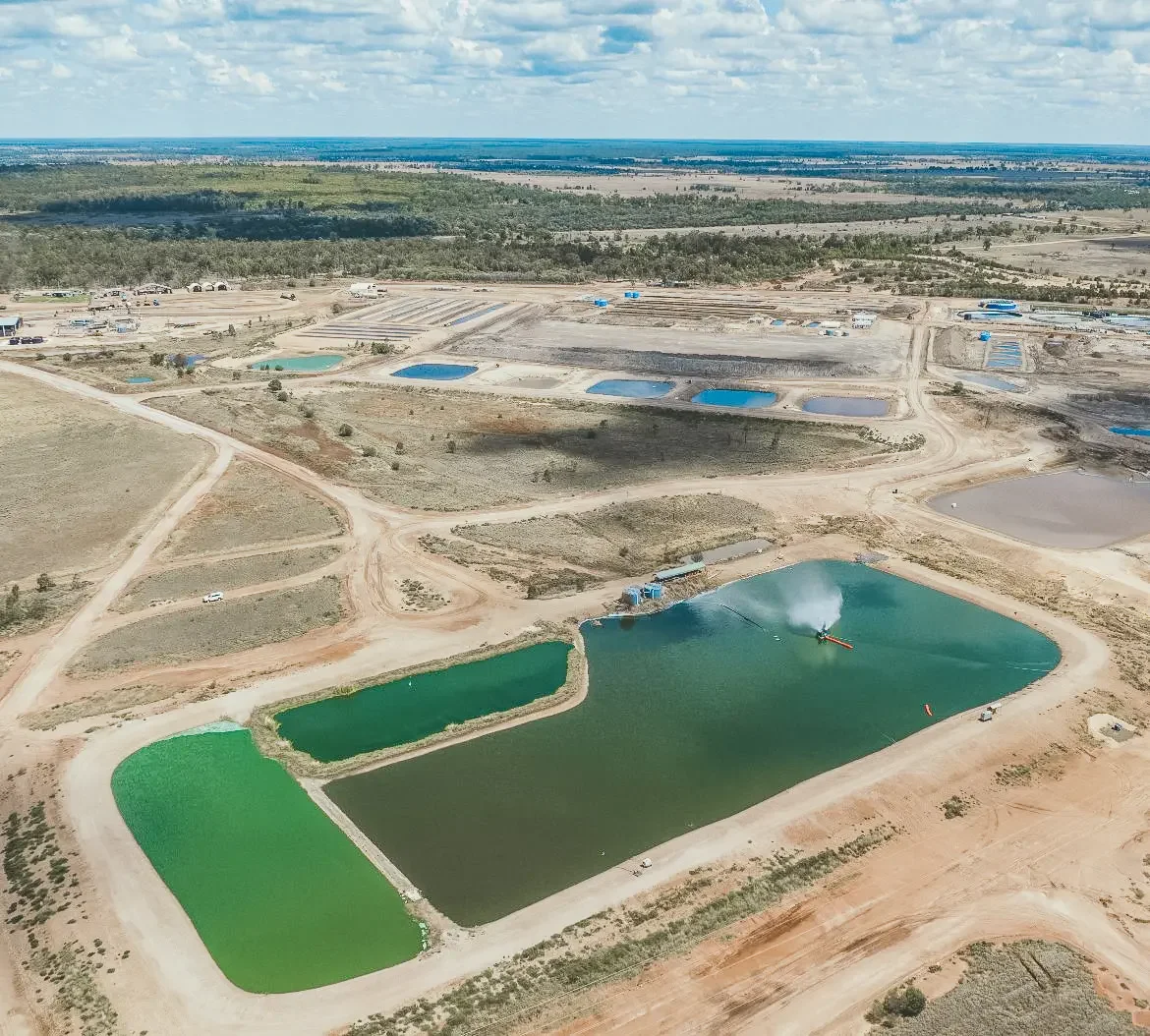
Municipal water management.
→ INDUSTRIES / GOVERNMENT & MUNICIPAL
XPEL evaporation systems stabilize government and municipal water management by helping authorities control rising wastewater loads, manage overflow risk and maintain reliable compliance across aging community infrastructure.

MUNICIPAL WATER MANAGEMENT
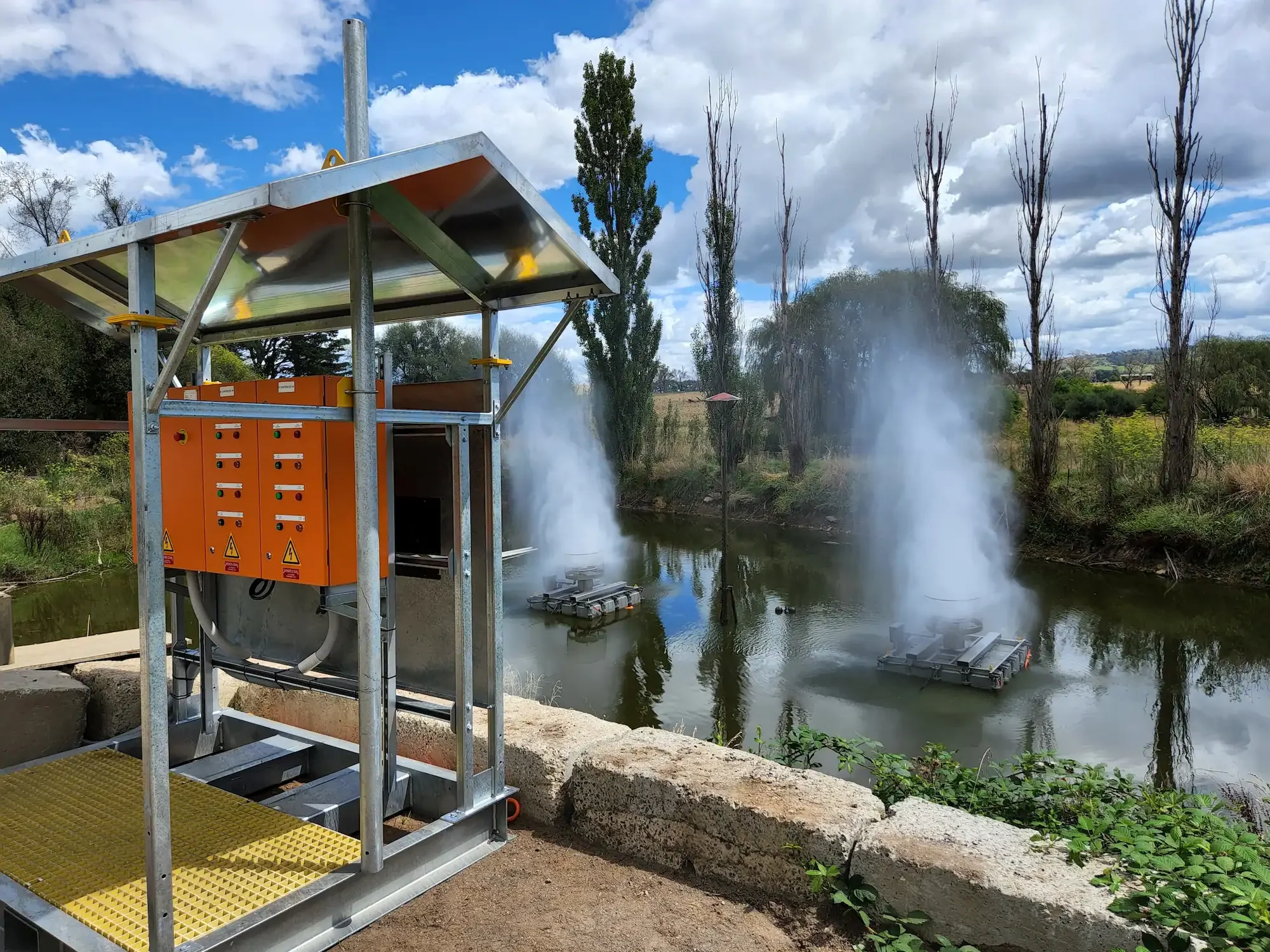
Municipal water management demands steady, predictable control in environments where inflows shift quickly, and infrastructure is often pushed to its limits.
XPEL provides a direct, high-value way for councils and utilities to stabilise their networks by removing excess water at the source before it strains downstream systems.
Aging treatment assets, population growth and tighter discharge expectations place increasing pressure on municipal operators. Unplanned surges from storms, infiltration or seasonal load changes can overwhelm existing capacity, forcing reliance on costly interim measures and creating sustained challenges for continuity and compliance. Many facilities work within small footprints and legacy layouts, leaving little room for expansion or new storage.
XPEL handles variable chemistry from wastewater, stormwater and landfill leachate through reliable high-throughput evaporation that converts large inflow volumes into minimal residual solids. This controlled reduction eases hydraulic pressure, limits the need for trucking and extends the operating envelope of treatment networks. The result is steadier day-to-day performance, clearer pathways to regulatory alignment and greater resilience across essential community services.
Our approach strengthens long-term municipal water management by giving operators a scalable, low-maintenance tool that performs consistently through weather shifts, population growth and infrastructure constraints while supporting a more future-ready water strategy.
Government & municipal water management solutions.
■
XPEL wastewater evaporators support critical municipal operations by easing pressure on treatment facilities, stabilizing stormwater inflows and reducing stored volumes across diverse waste streams.
-
XPEL supports ZLD programs by removing water through evaporation so that mines can minimize liquid releases while managing the remaining concentrated brine within regulated systems.
-
Evaporation assists landfill operators by lowering leachate volumes, easing pressure on storage ponds and reducing reliance on frequent hauling or external processing.
-
Engineered evaporation reduces the volume of process water requiring disposal, helping operators relieve pressure on discharge points and downstream handling assets.
-
XPEL complements wastewater treatment plants by reducing incoming or residual volumes that exceed treatment capacity, helping stabilize operations during peak demand.
-
By reducing stored water across multiple locations, XPEL improves hydraulic control and helps sites maintain a more predictable total water balance under changing inflow conditions.
-
XPEL supports treatment plants by evaporating excess liquid that cannot be fully processed, reducing hydraulic load and contributing to more stable plant operation.
-
Evaporation provides an alternative pathway for managing excess wastewater volume, reducing the strain on mechanical or biological treatment systems without altering water quality.
-
XPEL helps reduce standing stormwater volumes after high-inflow events, easing pressure on containment areas and improving site resilience during extreme weather.
-
Evaporation assists watershed programs by lowering excessive water accumulation within controlled areas, supporting broader water-balance strategies across industrial or municipal sites.
-
XPEL supports zero effluent discharge objectives with systems that close the loop, reduce waste volumes, and improve environmental stewardship.
-
Evaporation systems reduce overflow and bypass volumes during peak inflow periods, supporting stable operation without performing any treatment or purification function.
-
Mechanical evaporation reduces water accumulation within closed loop municipal systems, supporting controlled reuse and stable operation where discharge to the environment is restricted.
-
Evaporation systems reduce excess wastewater volumes, helping municipal facilities manage hydraulic loading rates and maintain stable performance across treatment and conveyance systems.
-
Evaporation reduces wastewater volumes before reinjection, helping municipal authorities manage injection rates for aquifer recharge, seawater intrusion control, and regulated subsurface disposal while protecting groundwater drinking water sources.
TESTED & PROVEN
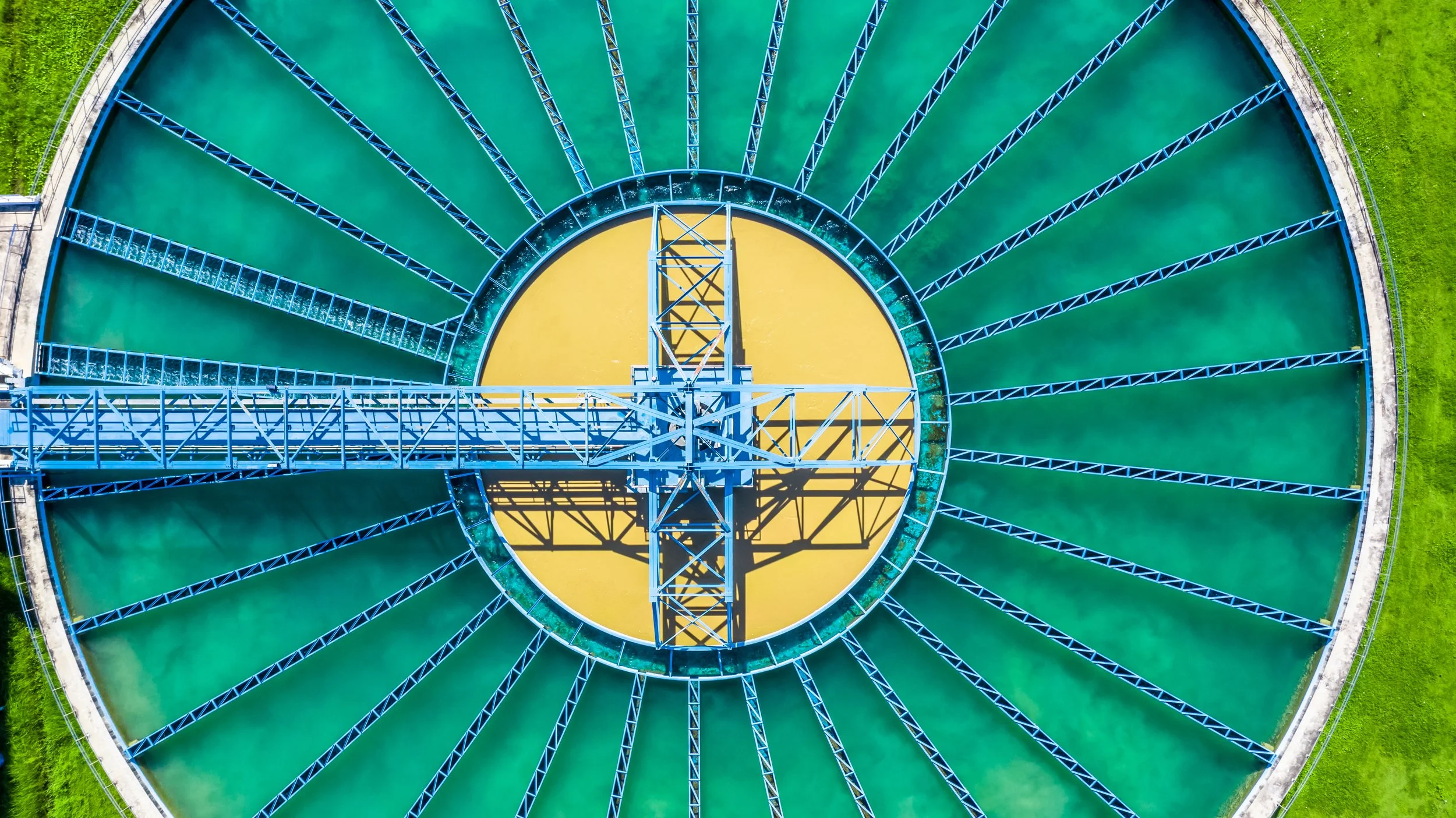
XPEL evaporators are tested & proven in government & municipal water management applications.
Capability
XPEL wastewater evaporators are engineered to manage rising municipal water loads, including wastewater, stormwater and landfill leachate that place continuous pressure on aging treatment networks. The system delivers high-throughput evaporation with low maintenance and automated operation, reducing excess volumes at the source and improving the stability of downstream processes. Mobile, modular configurations enable deployment in tight or constrained sites, helping municipalities reduce strain on treatment capacity, limit overflow risk and ease the burden on infrastructure that is often near capacity.
Experience
XPEL technology is built on decades of field-proven performance in government and municipal environments facing water congestion, environmental sensitivity and strict regulatory requirements. These real-world projects include installations that helped local authorities stabilise inflows after storm events, control leachate volumes in landfill operations and maintain compliant discharge conditions during peak seasonal demand.
Government & municipal water management FAQs
For a deeper understanding of how XPEL supports government agencies and municipal utilities, we provide a comprehensive list of Frequently Asked Questions.
This resource covers drinking water plant upgrades, wastewater compliance, reuse strategies, membrane concentrate management, infrastructure financing, digital monitoring, and integrated water resource planning.
Explore the full FAQ section to see how evaporation technology can reduce liquid waste volumes, ease discharge constraints, and strengthen long-term regulatory and operational resilience across municipal water networks.
-
Municipal drinking water upgrades focus on improving reliability, expanding capacity, and maintaining regulatory compliance. Common solutions include enhanced filtration, advanced disinfection, automation, and membrane technologies to address emerging contaminants. XPEL evaporation technology supports these upgrades by reducing the volume of liquid residuals generated during advanced treatment, enabling capacity growth without increasing discharge loads or hauled waste.
-
Cities strengthen compliance by upgrading solids removal, enhancing nutrient reduction, and adding tertiary polishing to existing biological systems. Advanced filtration and disinfection improve effluent quality where regulatory limits continue to tighten. XPEL evaporation technology further supports compliance by reducing wastewater volumes generated during treatment, lowering discharge loads and easing pressure on receiving environments.
-
Municipal reuse systems typically include tertiary filtration, membrane treatment, and targeted disinfection based on the intended reuse application. These systems deliver high-quality effluent for irrigation, industrial supply, or indirect potable reuse. Where membrane processes generate brine or concentrate streams that are difficult to discharge, XPEL evaporation technology provides a practical solution for onsite volume reduction and residual management.
-
Technology providers should demonstrate proven performance, regulatory experience, and long-term operational support. XPEL, powered by Minetek, brings more than 35 years of engineered experience supporting municipal operators with evaporation solutions for managing variable water quality and liquid waste volumes.
-
Municipal projects commonly use design-build, EPC, or public-private partnership models, supported by grants, low-interest loans, and phased capital programs. Utilities increasingly favour modular solutions that limit upfront spend and avoid major civil works. XPEL evaporation systems are cost-effective, require no permanent infrastructure such as new storage dams or large concrete basins, and can be relocated as needs change, giving municipalities financial flexibility while controlling disposal and upgrade costs.
-
Municipalities reduce operating costs through process optimisation, automation, and targeted treatment upgrades that improve stability and efficiency. Lowering hauled waste volumes and preventing process upsets directly reduces energy use and chemical demand. XPEL evaporation technology supports this strategy by reducing the volume of liquid residuals requiring transport or secondary treatment, helping utilities control ongoing operating costs.
-
Municipal utilities rely on SCADA systems, online analyzers, and predictive monitoring to manage water quality, system performance, and regulatory reporting. The XPEL Environmental Management System (EMS) provides centralized monitoring of evaporation system performance, environmental conditions, and compliance data, giving operators real-time visibility and documented operational control.
-
Membrane systems deliver consistent water quality and strong contaminant control but generate concentrate that must be managed. Conventional treatment is simpler and lower in upfront cost, though typically less advanced in removal performance. XPEL evaporation technology offers a practical solution for managing membrane concentrate where discharge capacity is limited or brine disposal presents long-term risk.
-
Small municipalities often deploy packaged drinking water or wastewater plants to reduce construction time and upfront capital. These modular systems scale with demand and simplify installation. XPEL offers a fully turnkey evaporation package, from site assessment through to commissioning and operator training, providing a standalone solution to manage high-strength sidestreams without expanding the primary plant footprint.
-
Integrated water resources management treats water supply, wastewater, and residuals as a single system. This approach prioritizes reuse, volume reduction, and environmental protection. XPEL evaporation systems enable onsite volume reduction across the network, lowering discharge dependency and improving long-term system resilience.
PRODUCTS
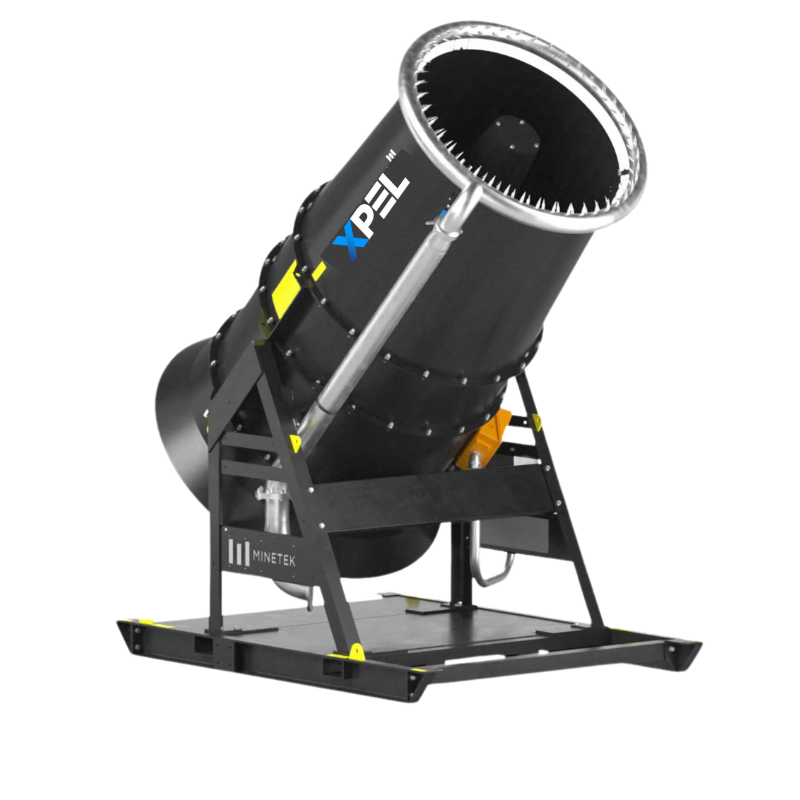
Land based
evaporators
Fully customisable and bespoke in design, our XPEL land based water evaporators are available in a range of sizes enabling operators to reduce the risks associated with excess water and ensure environmental compliance with a wide range of water processing capabilities.
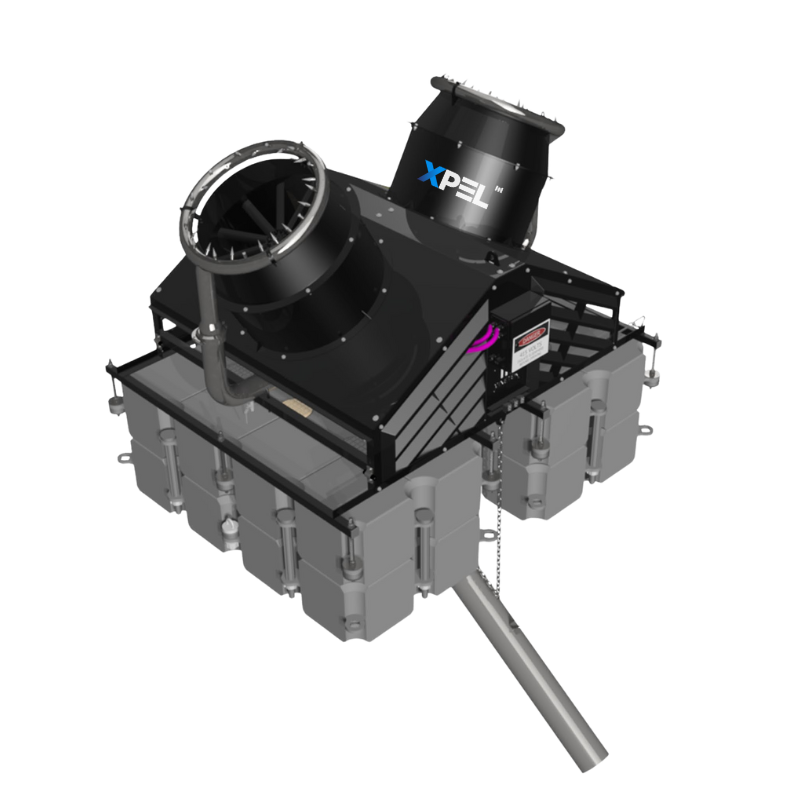
Pontoon
evaporators
When land based units aren’t an option, the XPEL Pontoon Series evaporator is a water management solution that can be relied on to help reduce the risk of excess water and ensure environmental compliance by reducing the volume of water stored on-site using mechanically enhanced evaporation.