

Why heavy rain breaks mine site water balance control.
When heavy rainfall hits a mine site, everything can change in a matter of hours. Water storage dams reach capacity. Dewatering pumps run at full throttle. And before operators know it, their carefully managed water balance tips into deficit or dangerous surplus. XPEL helps mining operations manage excess water through advanced evaporation technology, but understanding why heavy rain breaks water balance control is the first step toward protecting your site.
This article explains the mechanisms behind rainfall-driven water balance failures. Learn how to spot early warning signals in site monitoring data and what operational responses can help regain control when stormwater threatens operation.
Key Takeaways: Why heavy rain breaks mine site water balance control.
Heavy rainfall overwhelms storage dams, conveyance channels, and dewatering pumps simultaneously, creating a rapid loss of water balance control.
Water balance monitoring tracks inflows, outflows, and storage levels to detect when your site approaches critical thresholds during wet weather.
Water balance modeling uses historical and probabilistic rainfall data to predict how your site will respond to future storm events.
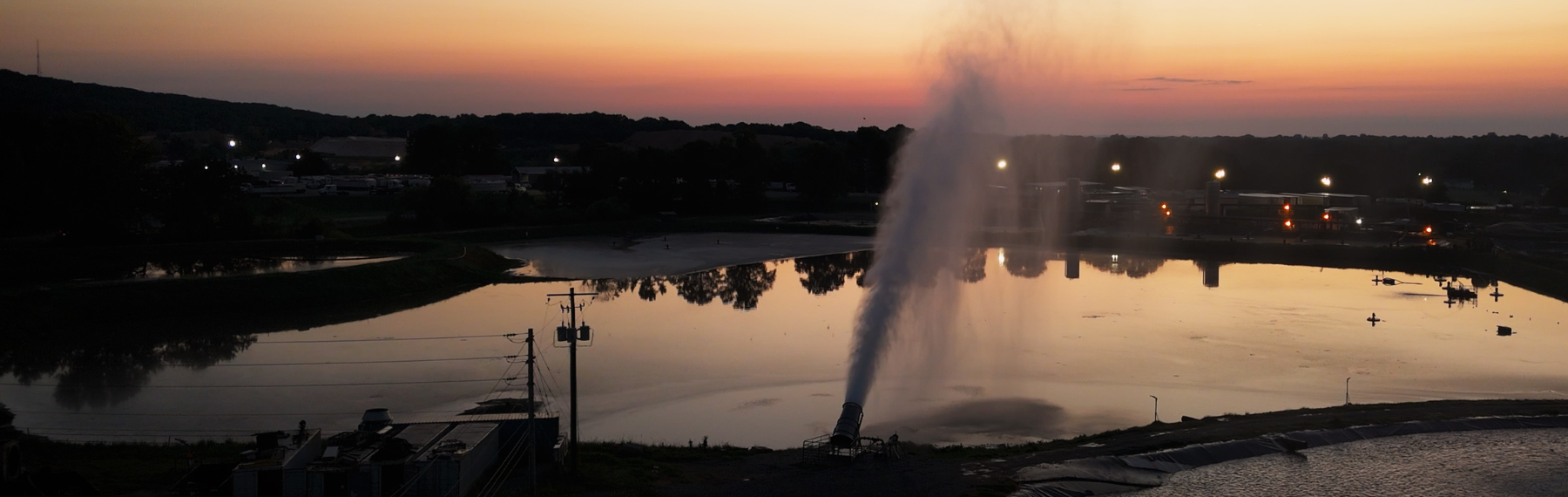
XPEL's evaporator systems give mining operations an additional tool to manage excess water and restore balance after heavy rainfall events.
Operational response planning turns monitoring signals into actionable decisions that prevent pit flooding, dam overflows, and environmental incidents.
What is water balance control on a mining site?
Water balance control means actively managing all water entering, moving through, and leaving a mine site. Every drop of rainfall, groundwater inflow, and process water must be accounted for - and storage, treatment, and discharge systems must have the capacity to handle it all.
At its core, the water balance equation is simple: change in storage equals total inflows minus total outflows. In practice, tracking these flows across open pits, processing plants, tailings facilities, and sediment dams requires sophisticated monitoring. According to the Groundwater Project, most mining operations use dynamic water balance models that update monthly to track changes in storage.
When inflows exceed the capacity to store, treat, or discharge water, the mine site has lost water balance control. In some cases, heavy rainfall events are the most common cause.
How does heavy rainfall overwhelm mine site water systems?
Heavy rainfall attacks a site’s water balance from multiple directions at once. Rain falls directly into open pits, adding volume faster than pumps can remove it. Surface runoff flows off haul roads, stockpiles, and disturbed areas into sediment dams that may already be near capacity.
At the same time, groundwater levels rise as precipitation infiltrates surrounding catchments. Research published in Mine Water and the Environment shows that rainfall effects on groundwater inflow often appear with a one-month lag. This means dewatering demands may continue rising long after the rain stops.
The result? Storage dams fill. Pumps run at maximum capacity. And if any single component fails or reaches capacity, water spills into areas where it can damage equipment, contaminate clean water systems, or discharge into the environment without treatment.
Why is storage capacity the first failure point?
A mine site’s water storage system is designed for normal conditions, not extreme ones. Most mine site dams are sized to handle a specific design storm, such as a 1-in-20-year or 1-in-100-year rainfall event. When storms exceed these thresholds, even well-designed systems reach their limits.
A study at the Dugald River Mine in Queensland, Australia demonstrates this challenge. The site experiences distinct wet and dry seasons, with most rainfall occurring between January and February. Short, intense rainfall events can deliver weeks' worth of precipitation in hours, overwhelming sediment basins and requiring adaptive management strategies.
Climate change is making this problem worse. Extreme rainfall events are becoming more frequent and intense in many mining regions. If your storage was designed using historical averages, it may no longer match actual conditions.

What role does dewatering play in water balance failure?
Dewatering systems remove groundwater from pits and underground workings. During normal operations, these pumps maintain steady outflow rates. But heavy rainfall increases groundwater recharge, which eventually increases inflow into your working areas.
This creates a timing problem. Rainfall hits the surface immediately, but its effects on groundwater can take weeks to appear. The dewatering pumps may cope well during the initial storm, then face steadily rising inflows over the following month.
If pump capacity is already running near maximum, there's no room for this additional load. This will cause pit water levels to rise, working areas to flood, and operations may need to stop entirely until levels drop.
How does water balance monitoring help mine operators respond?
Monitoring gives operators early warning when water balance control is slipping away. Flow meters, level sensors, and weather stations feed real-time data into your water balance model. When inflows spike or storage levels rise unexpectedly, they can act before the situation becomes critical.
According to Mining Frontier, the integration of IoT sensors with water balance models creates a feedback loop that continuously refines predictions. If a sensor detects unexpected groundwater inflow, the model can immediately simulate impacts on downstream storage facilities.
This visibility transforms reactive crisis management into proactive decision-making. Operators can redirect water to alternative storage, increase treatment rates, or activate additional evaporation capacity before storage dams overflow.
What is water balance modelling and how does it help?
Water balance modelling creates a mathematical representation of a site's entire water system. The model tracks every inflow (rainfall, runoff, to groundwater) and every outflow (evaporation, discharge to process use) then calculates how much water accumulates in storage.
Advanced models use probabilistic or stochastic approaches rather than simple averages. Instead of asking "what happens with average rainfall," they run thousands of scenarios using different possible weather patterns. This shows you the probability of different outcomes, such as a 5% chance that storage will be exceeded during a wet season.
Armed with this information, you can invest in additional storage or treatment capacity before you need it. XPEL's mechanical evaporator systems offer a practical response option, especially when modelling predicts surplus water conditions, evaporation capacity can help you avoid discharge or storage exceedance events.
What operational responses can restore water balance control?
When monitoring signals indicate that a site is losing water balance control, operators need a response plan that converts data into action. Effective responses target the specific failure point, whether that's storage capacity, conveyance, or discharge.
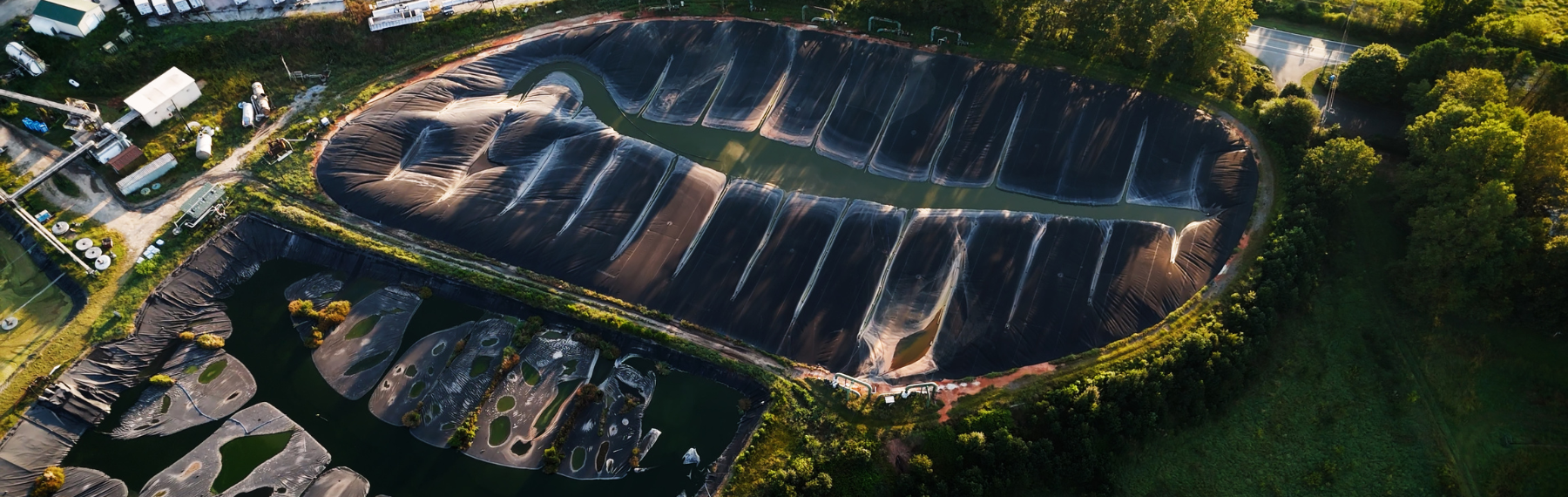
If storage is the limiting factor, they might redirect water from full dams to those with remaining capacity. If discharge permits allow, they can increase controlled releases during approved conditions. And if there is a need to reduce overall water volume, mechanical evaporation accelerates the natural evaporation process.
XPEL designs bespoke evaporator systems specifically for mining applications. These systems process varying water qualities and can be scaled to match any mine site's needs, giving operators a reliable tool for managing excess water during and after heavy rainfall events.
How can operators build resilience into their water management plan?
Building resilience means designing a water system to handle conditions beyond the expected norm. Start by updating the site’s water balance model with recent climate data rather than historical averages alone.
Incorporate redundancy into critical systems. If the primary dewatering pumps fail during a storm, backup capacity can prevent escalation. Consider multiple pathways for water movement so that a single blocked drain doesn't cause system-wide failure.
Finally, establish clear trigger points and response procedures. Their team should know exactly what actions to take when monitoring shows storage at 70%, 85%, or 95% capacity. Practised responses execute faster than improvised ones when conditions deteriorate rapidly.
FAQs about mine site water balance and heavy rainfall.
What causes loss of water balance control during heavy rain?
Heavy rainfall causes loss of water balance control when inflows exceed your storage, treatment, and discharge capacity simultaneously. Rain enters pits directly while runoff overwhelms sediment dams.
Groundwater inflows also increase, though often with a delay of several weeks. When any single component reaches capacity, the entire system can fail.
How does water balance monitoring differ from water balance modeling?
Monitoring measures what's happening right now—current flow rates, storage levels, and weather conditions. Modeling predicts what will happen in the future based on historical patterns and projected scenarios.
The most effective water management combines both: monitoring feeds real-time data into models, which then generate forecasts and trigger alerts when action is needed.
Can mechanical evaporation help manage excess water after storms?
Yes, mechanical evaporation accelerates water removal from storage facilities. XPEL's evaporator systems use advanced technology to process excess water efficiently, helping you restore water balance after heavy rainfall events.
This is particularly valuable when discharge permits are limited or when water quality requires treatment before release.
What monitoring signals indicate water balance control is at risk?
Rising storage levels across multiple dams, increasing dewatering pump run times, and rainfall totals exceeding design thresholds all signal risk. Groundwater level rises in monitoring bores can indicate delayed inflows.
XPEL works with mining operations to establish monitoring frameworks that connect these signals to specific response actions, turning data into decisions.
How often should water balance models be updated?
Most mining operations update water balance models monthly or quarterly under normal conditions. During wet seasons or after major storms, more frequent updates—weekly or even daily—help track rapidly changing conditions.
Models should also be recalibrated annually using actual performance data to improve accuracy.