

Sustainable water management strategies across industries.
As global water scarcity and environmental pressures intensify, industries must adopt sustainable water management strategies to ensure operational resilience and regulatory compliance. Aging infrastructure, climate variability, and stringent regulations necessitate innovative approaches to water use. Circular water management strategies, which prioritize resource efficiency, waste minimization, and ecosystem preservation, offer a transformative solution for industries including oil & gas, food processing, government & municipalities, power generation, legacy industrial, pulp and paper, manufacturing, water treatment, and mining. These strategies redefine water as a reusable asset, driving sustainability and cost efficiency across sectors.
Defining Circular Water Management Strategies
Circular water management strategies move beyond traditional linear models of water extraction, use, and disposal. They focus on conserving, reusing, and responsibly returning water to the environment. Key objectives include:
Reducing Freshwater Demand: Minimizing reliance on natural water sources to preserve ecosystems.
Minimizing Wastewater Discharge: Treating and recycling water to reduce environmental contamination.
Enhancing Resilience: Mitigating risks from water scarcity, droughts, or floods to ensure operational continuity.
Ensuring Compliance: Meeting environmental regulations and supporting Environmental, Social, and Governance (ESG) reporting.
By integrating these principles, water management strategies enable industries to optimize resources, reduce costs, and align with global sustainability goals.
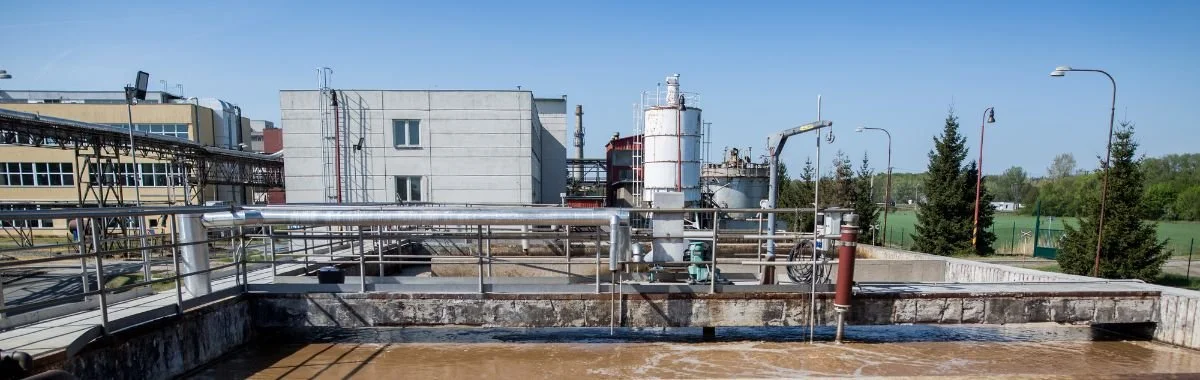
Applications of Water Management Strategies Across Industries
Effective water management strategies are adaptable to the unique needs of diverse sectors. Below, we explore their implementation and benefits in key industries:
Oil & Gas
The oil & gas industry generates significant wastewater, including produced water from extraction processes. Circular water management strategies, such as recycling and advanced treatment systems, enable water reuse in operations such as hydraulic fracturing and cooling. These strategies reduce freshwater consumption, lower disposal costs, and minimize environmental risks, ensuring compliance with strict regulations.
Food Processing
Water is critical for cleaning, processing, and cooling in food production. Circular water management strategies, such as closed-loop recycling and filtration systems, enable facilities to reuse water for non-potable purposes. This reduces freshwater use, minimizes wastewater discharge, and supports compliance with food safety and environmental standards while optimizing costs.
Government & Municipalities
Municipalities manage complex water systems for urban and rural communities. Circular water management strategies, such as stormwater harvesting and wastewater recycling, reduce pressure on freshwater reserves and prevent contamination from overflows. These strategies enhance climate resilience, support ESG goals, and build public trust through sustainable governance.
Power Generation
Power plants rely on water for steam production and cooling. Circular water management strategies, such as condensate recovery and cooling water recycling, minimize freshwater use and reduce thermal pollution in discharged water. These strategies improve operational efficiency and ensure adherence to environmental regulations.
Legacy Industrial
Legacy industrial facilities often face challenges with outdated water infrastructure. Circular water management strategies, including retrofitted treatment and reuse systems, enable water recycling and reduce contamination risks. These strategies extend facility lifespans while aligning with modern environmental standards.
Pulp and Paper
The pulp and paper industry is water-intensive, requiring water for pulping, bleaching, and cooling. Circular water management strategies, such as process water recycling and effluent treatment, reduce freshwater consumption and pollutant discharge. These strategies support sustainability goals and minimize environmental impact.
Manufacturing
Manufacturing processes, from textiles to electronics, depend on water for production and cleaning. Circular water management strategies, such as zero-liquid discharge systems, enable water reuse within facilities, reducing costs and environmental footprints. These strategies also enhance ESG performance, appealing to regulators and stakeholders.
Water Treatment
The water treatment industry can optimize its processes through circular water management strategies. Technologies like membrane filtration and resource recovery systems improve efficiency, reduce energy consumption, and enable water reuse within treatment operations, delivering high-quality water sustainably.
Mining
Mining operations produce wastewater containing sediments and chemicals. Circular water management strategies, such as tailings water treatment and recycling, reduce freshwater use and prevent contamination of local water sources. These strategies lower environmental risks and support compliance with mining regulations.

Benefits of Circular Water Management Strategies
Across these industries, circular water management strategies deliver significant advantages:
Cost Efficiency: Water reuse and recycling reduce costs for freshwater procurement and wastewater disposal.
Environmental Protection: Minimizing discharge and contamination preserves ecosystems and supports biodiversity.
Regulatory Compliance: Adherence to environmental standards reduces penalties and enhances ESG performance.
Operational Resilience: Robust water management mitigates disruptions from water scarcity or extreme weather.
Supporting ESG and Compliance
ESG performance is critical for industries under regulatory, investor, and community scrutiny. Circular water management strategies provide:
Quantifiable metrics on water use and waste reduction for ESG reporting
Documented reductions in environmental risks, such as contamination
Alignment with global sustainability frameworks, such as the United Nations Sustainable Development Goals
Enhanced stakeholder trust through transparent water management practices
These outcomes strengthen industry reputations and ensure long-term viability.
The Future of Water Management Strategies
Circular water management strategies represent a paradigm shift in how industries approach water. By treating water as a strategic, reusable resource, sectors can address immediate challenges. This includes cost pressures and regulatory compliance, while building resilience for the future. Industries that prioritize these strategies will:
Lead in environmental stewardship
Reduce operational risks and costs
Foster trust with regulators and communities
To implement effective water management strategies, industries can adopt technologies such as advanced filtration, recycling systems, and real-time monitoring tools. Collaboration with water management experts and adherence to best practices will further enhance outcomes.
For more information on integrating circular water management strategies in your industry, contact the XPEL team today.