

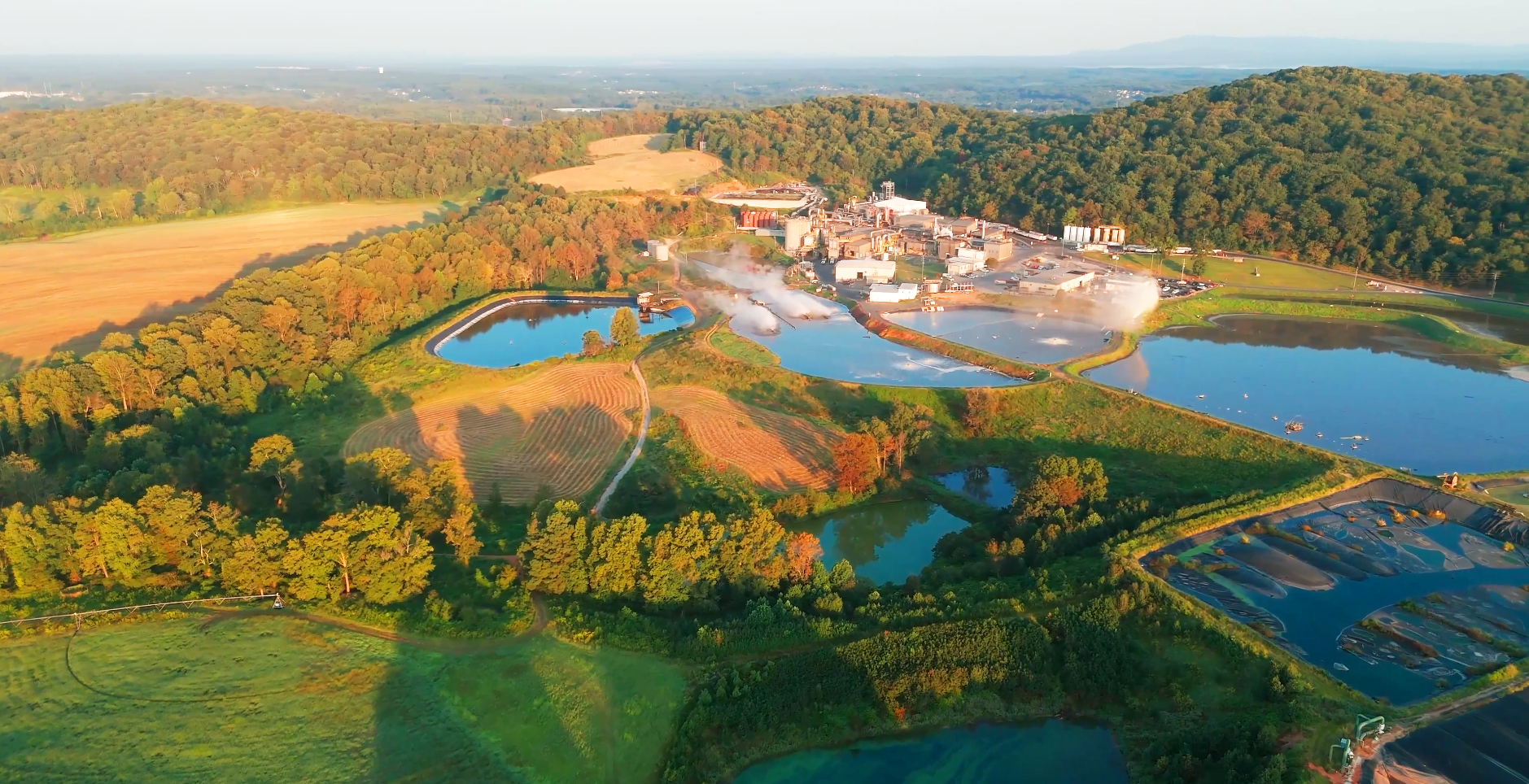
Food processing water.
→ INDUSTRIES / FOOD PROCESSING
XPEL redefines food processing water management by delivering evaporation systems that cut wastewater volumes, limit off-site disposal and support sustainable, compliant production across hygiene-critical facilities.

FOOD PROCESSING WATER
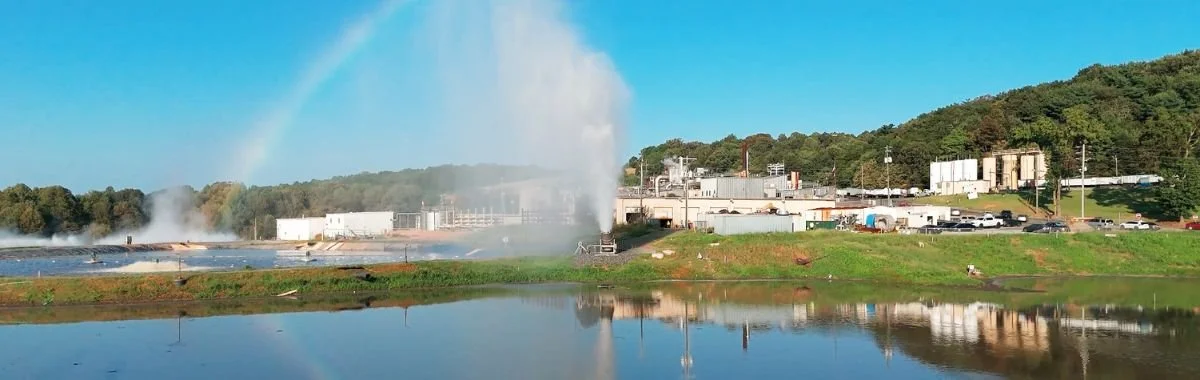
XPEL delivers reliable water control across fast-moving food processing environments, where hygiene standards, variable flows and production continuity place constant pressure on operations.
Food processing facilities generate large volumes of wastewater during washing, blanching, cooling, and sanitation cycles, often with fluctuating loads that strain on-site storage capacity. XPEL converts wastewater flows into minimal residual solids through controlled mechanical evaporation, reducing dependence on off-site disposal and water treatment, in turn strengthening the internal water-handling capacity.
Designed for mobility and scalability, XPEL adapts as production schedules shift or facility layouts expand. This flexibility enables operators to manage storage risk, lower operating costs and maintain alignment with evolving regulatory expectations while strengthening their long-term water strategy.
-
XPEL assists ZLD strategies by evaporating the clean water portion of wastewater from onsite ponds, reducing the total liquid volume that must be contained within a closed-loop system.
-
XPEL reduces wastewater volumes generated during rendering operations by evaporating water from holding ponds, easing pressure on primary treatment assets and helping plants manage variable, high-organic effluent loads.
-
XPEL supports process water disposal by lowering the volume of stored process water in ponds or tanks, helping facilities stay ahead of hydraulic peaks and reducing dependence on hauling or costly infrastructure expansion.
-
XPEL evaporation units reduce excess water stored in wastewater plant ponds or balancing areas, creating space during high-load periods and supporting steadier treatment performance upstream.
-
XPEL contributes to total site water balance by lowering accumulated water in ponds distributed across the facility, helping plants maintain control during peak production or wet-weather periods.
-
XPEL helps treatment plants manage fluctuating wastewater volumes by evaporating excess water from storage ponds, reducing the hydraulic load placed on mechanical, biological or chemical treatment stages.
-
XPEL strengthens wastewater treatment stability by reducing upstream pond volumes that would otherwise drive hydraulic overload, enabling treatment systems to perform more consistently.
-
XPEL assists stormwater management in food processing plants by lowering water levels in stormwater ponds after rainfall events, creating additional capacity for future surges.
-
XPEL supports zero effluent discharge objectives by evaporating stored water from containment ponds, reducing the total volume requiring long-term onsite storage.
-
XPEL enhances operational control at water treatment plants by reducing stored water in onsite ponds, helping facilities maintain stable conditions when inflows fluctuate.
-
Evaporation systems reduce excess wastewater volumes, helping food processing facilities control hydraulic loading rates and maintain stable performance across downstream handling systems.
-
Land application constraints and oversaturation risks are reduced through evaporation, lowering wastewater volumes and removing dependence on spray field infrastructure.
-
Water accumulation within closed loop processing systems is reduced through advanced mechanical evaporation, supporting controlled reuse and stable operation across food processing facilities.
-
XPEL evaporation systems reduce food processing wastewater volumes prior to reinjection, easing pressure on subsurface disposal systems and supporting controlled, compliant disposal.
XPEL evaporation systems support food processing facilities by reducing stored wastewater volumes across cleaning, cooling and production activities. This helps plants maintain hydraulic control, protect treatment stability and manage peak flows more effectively.
Food processing solutions.
■
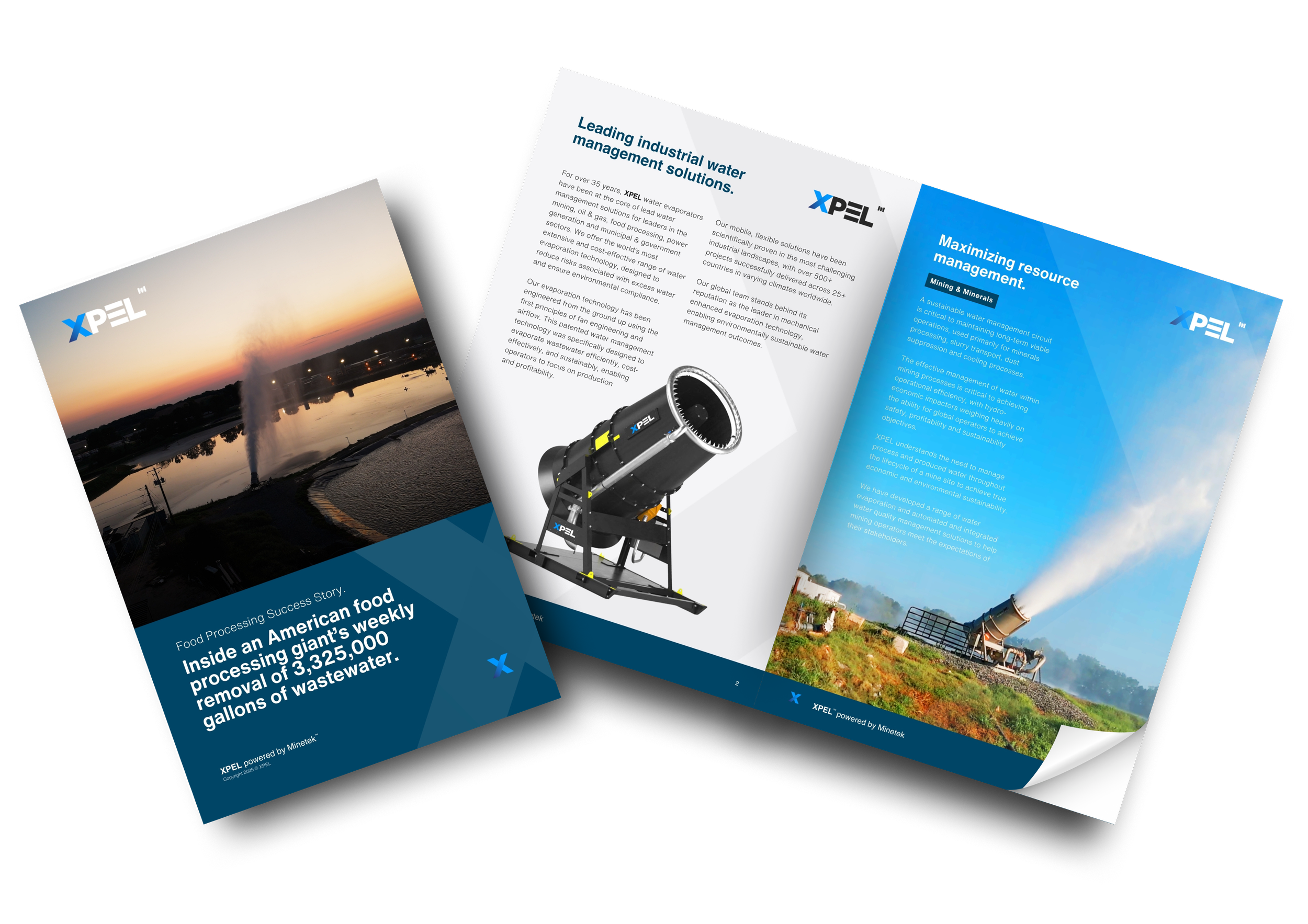
Case study - Animal food processing facility.
Download our Georgia Animal Food Facility case study to explore how XPEL’s innovative water treatment solutions transformed operations at a leading food processing plant. Learn how our advanced technologies optimized water usage, enhanced sustainability, and ensured compliance with stringent industry standards, delivering measurable cost savings and operational efficiency for the facility.

XPEL evaporators are tested & proven in food processing water management applications.
Capability
Our evaporation systems are engineered to manage wastewater streams with high organic loads, variable temperatures and heavy solids from cleaning, blanching and cooling. The system accelerates water reduction, lowering reliance on off-site disposal and reducing pressure on existing treatment infrastructure. It delivers stable, high-volume evaporation output with low maintenance and 24/7 automated operation, enabling reliable performance without constant operator intervention.
Experience
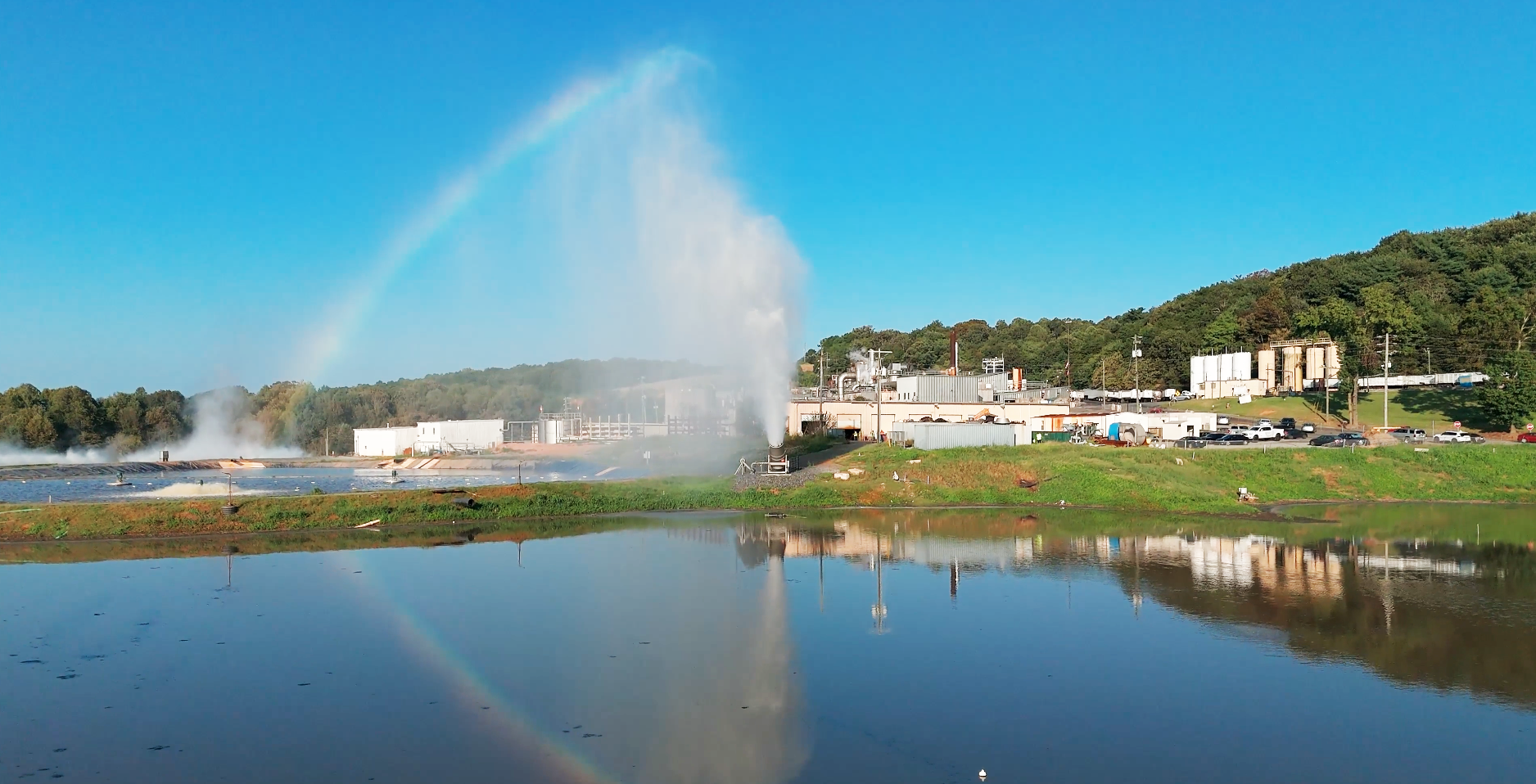
XPEL technology made a major impact at a food processing facility in the United States, where a land-based evaporation system achieved a sustained throughput of 600 GPM (135 m³/hour). The system prevented wastewater pond overflow during peak inflow periods and maintained steady operation through integrated environmental monitoring and automated performance adjustments. This result demonstrates the system’s readiness for high-demand food-processing environments that require reliable, scalable and low-maintenance water solutions.
Food processing water solutions FAQs
For a deeper understanding of how XPEL supports water management in food processing facilities, we offer a comprehensive list of Frequently Asked Questions.
This resource covers everything from hygiene standards and process water treatment to reuse strategies, discharge compliance, and system cost considerations.
Explore the full FAQ section to see how evaporation solutions can be applied to reduce wastewater volumes and support efficient, compliant food processing operations.
-
Food processing plants typically use multi-barrier systems that combine filtration, disinfection, and process control. These systems remove solids, control microbial risk, and ensure water is fit for its intended use. Where wastewater volumes are high or discharge limits are strict, mechanical evaporation is often added to reduce liquid waste volumes while maintaining hygiene compliance.
-
Water reduction starts with optimised cleaning processes, stream segregation, and water reuse. High-strength wastewater streams can be isolated and treated separately. Evaporation is an effective way to reduce wastewater volumes by concentrating contaminants and minimising disposal, while allowing treated condensate to be reused for suitable non-product applications.
-
Common technologies include cartridge filtration, ultrafiltration, UV disinfection, and chemical disinfection where residual control is required. These systems are selected based on water quality and use.
-
Water reuse systems are designed around fit-for-purpose reuse, hazard assessment, and multiple treatment barriers. Reused water is typically limited to non-product contact applications unless validated otherwise. XPEL evaporation supports safe reuse by reducing high-risk wastewater volumes and producing a controlled condensate stream for approved reuse or disposal pathways.
-
Reliable CIP water treatment focuses on rinse recovery, solids removal, and disinfection to maintain cleaning effectiveness. Systems often include filtration, UV, and conductivity control. For plants managing high-strength CIP waste, XPEL provides a robust evaporation solution to reduce disposal volumes and stabilize wastewater treatment performance.
-
Meat processing plants often require enhanced solids removal, fats control, and load reduction before discharge. Evaporation is a proven upgrade option for managing high-COD and high-TDS wastewater by significantly reducing liquid volumes and supporting compliance with tight discharge or haulage limits.
-
XPEL offers a total turnkey package solution for new food factories, managing the project from initial site assessment through to a fully energized and automated evaporation system. The scope includes design, engineering, installation, commissioning, and operator training to support reliable startup and ongoing operation.
-
Membrane systems are used where tight water quality control is required. Conventional systems suit bulk solids removal and lower complexity operations. Both approaches generate concentrate streams. Evaporation complements these systems by managing concentrates and reducing reliance on off-site disposal.
-
Suppliers with experience in food-grade water reuse typically offer filtration, disinfection, and wastewater treatment systems tailored to wash water and process flows. XPEL water evaporation systems focus on reducing wastewater volumes and managing variable-quality water common in fruit and vegetable processing operations.
-
Cost estimation depends on flow rates, water quality, treatment objectives, and discharge requirements, but wastewater management typically drives overall cost. XPEL evaporation systems reduce the need for ponds, dams, and fixed infrastructure by reducing wastewater volumes at the source and providing relocatable treatment. In many projects, this approach has delivered significant CAPEX savings compared to traditional water management solutions.
PRODUCTS
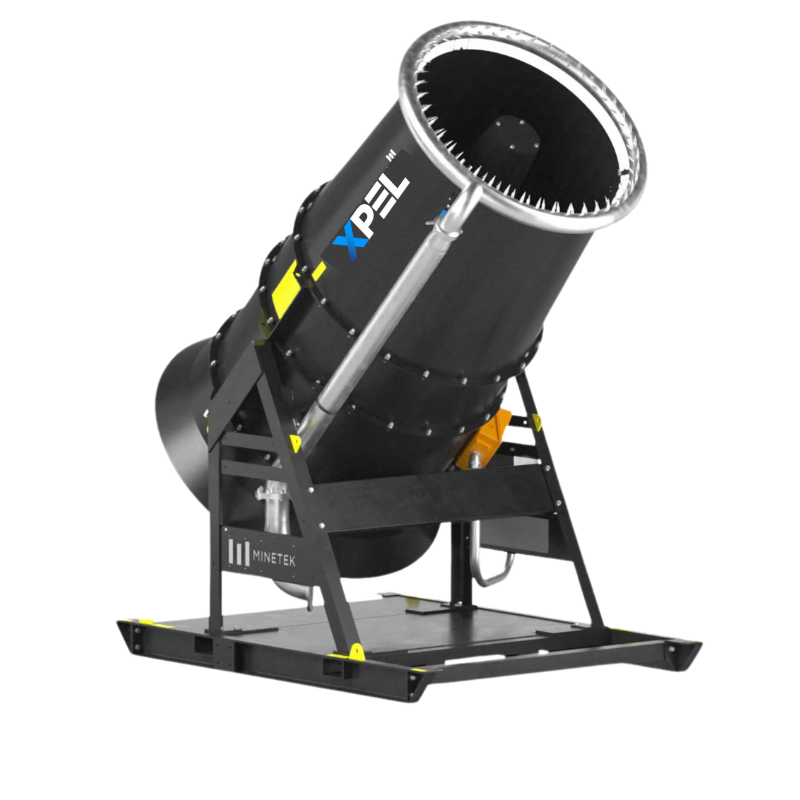
Land based
evaporators.
Fully customisable and bespoke in design, our XPEL land based water evaporators are available in a range of sizes enabling operators to reduce the risks associated with excess water and ensure environmental compliance with a wide range of water processing capabilities.
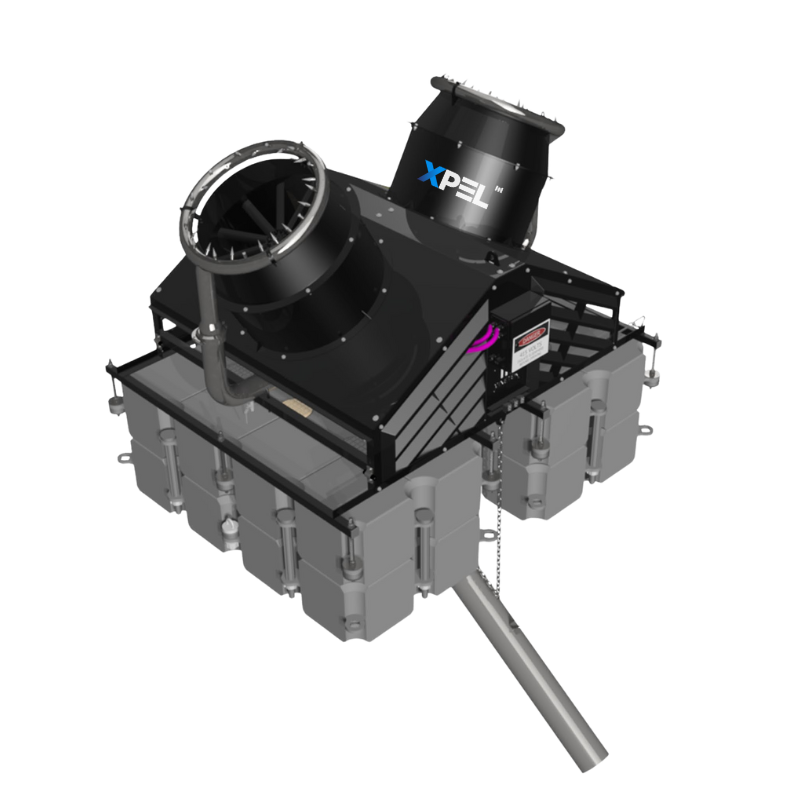
Pontoon
evaporators.
When land based units aren’t an option, the XPEL Pontoon Series evaporator is a water management solution that can be relied on to help reduce the risk of excess water and ensure environmental compliance by reducing the volume of water stored on-site using mechanically enhanced evaporation.