

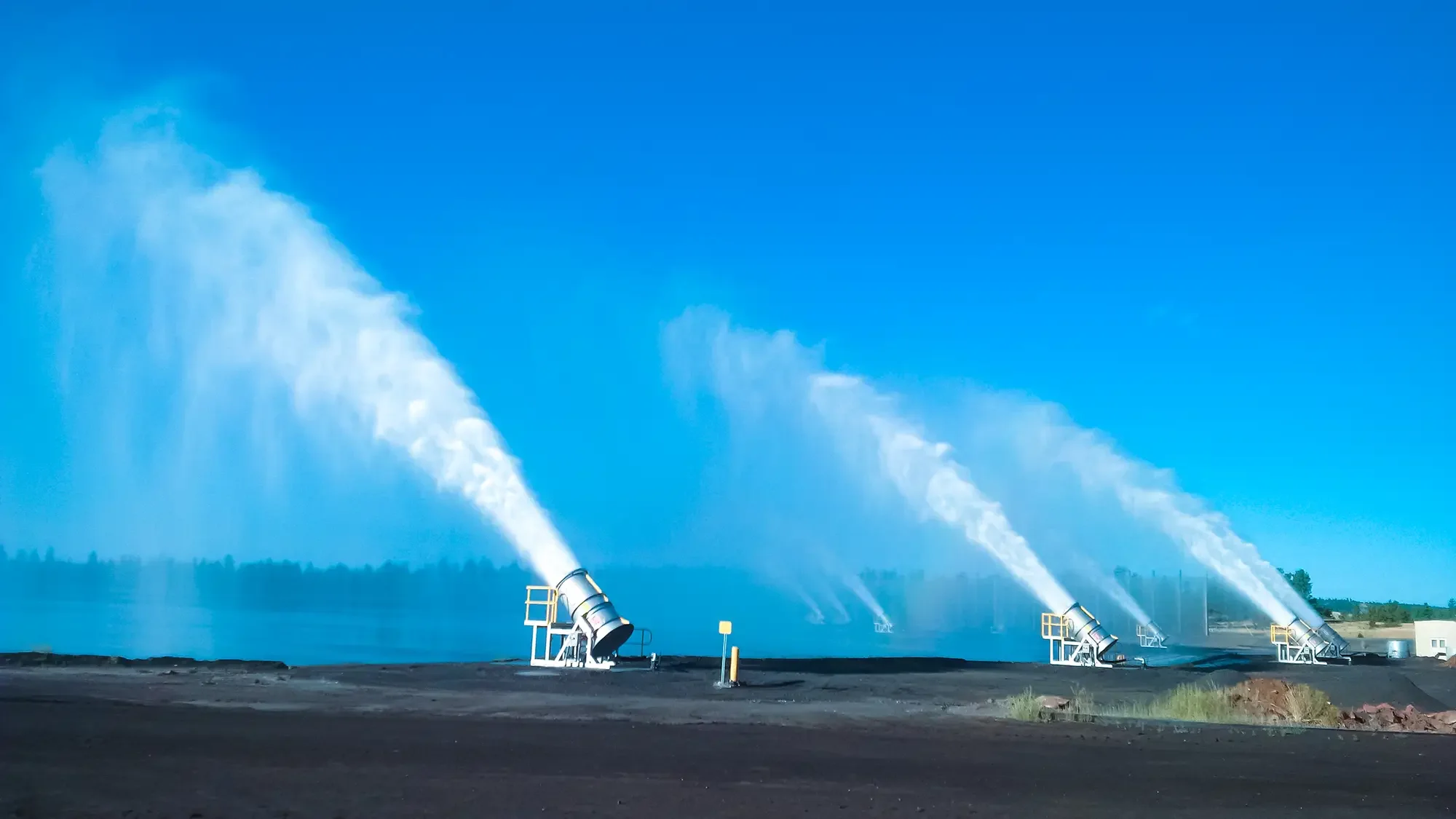
Power generation.
→ INDUSTRIES / POWER GENERATION
Transforming water management in power generation facilities through mechanical evaporation technology to support operational performance and environmental compliance.

POWER GENERATION
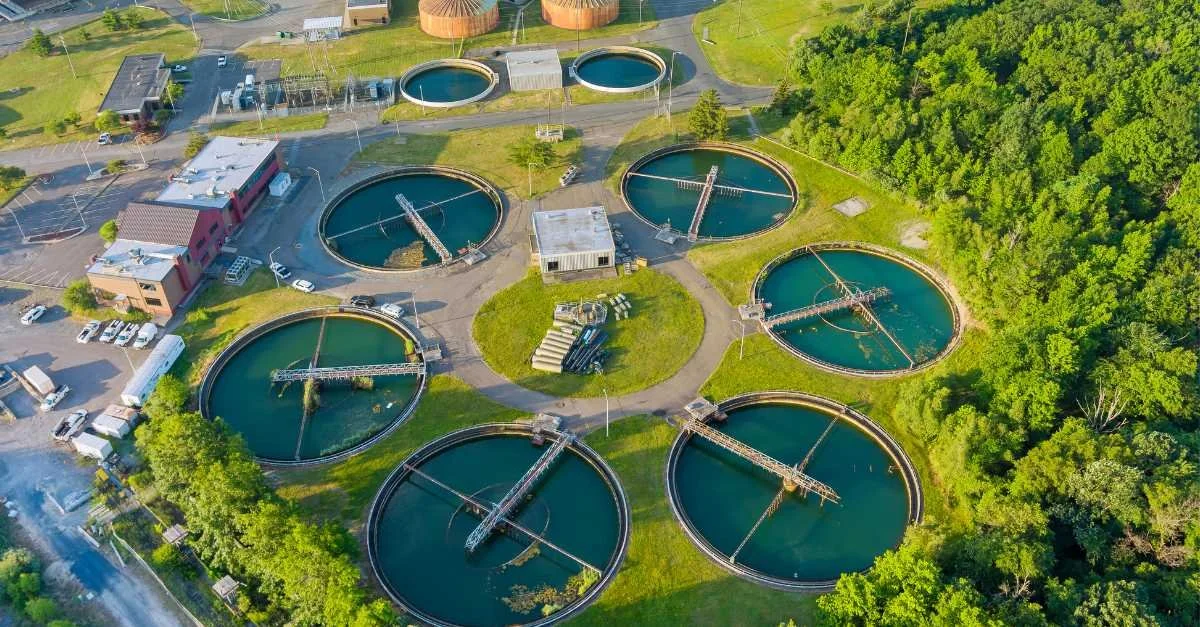
Power generation facilities operate within tightly regulated water management environments, where cooling, steam production, and process activities generate complex wastewater streams. These streams often contain varying water qualities, requiring reliable volume control to protect operational continuity and environmental compliance.
Traditional water management approaches place sustained pressure on storage capacity, transport logistics, and treatment infrastructure. Long upgrade timelines, high capital requirements, and site constraints reduce operational flexibility, particularly as wastewater volumes fluctuate or regulatory expectations tighten around disposal and containment.
XPEL evaporation addresses these challenges with proven, field-tested systems that process a wide range of water qualities. This includes coal ash water, process water, saline streams, and caustic wastewater, without reliance on chemical-intensive treatment methods.
Mechanical evaporation provides a practical alternative where conventional treatment or disposal pathways are costly, complex, or slow to expand.
By reducing wastewater volumes at the source, XPEL evaporators deliver significant CAPEX advantages over traditional water management solutions while lowering ongoing storage, transport, and disposal costs.
Through this approach, XPEL helps power generation facilities maintain stable operations, manage costs, and meet strict environmental and regulatory requirements without the need for large-scale infrastructure expansion.
XPEL supports water management applications in critical power generation facilities by reducing complex wastewater volumes and easing pressure on storage, transport, and disposal systems.
Power generation water management solutions.
■
-
XPEL supports ZLD programs by removing water through evaporation so that mines can minimize liquid releases while managing the remaining concentrated brine within regulated systems.
-
Evaporation lowers the total volume of acidic water requiring management, easing pressure on containment infrastructure and supporting long-term site stability without altering water chemistry.
-
XPEL reduces excess water stored within tailings facilities by evaporating large volumes and helping operators manage ongoing inflows and rainfall impacts more effectively.
-
High-capacity evaporation systems help reduce accumulated pit water, improving access, maintaining safer working conditions and supporting consistent mining productivity.
-
Engineered evaporation reduces the volume of process water requiring disposal, helping operators relieve pressure on discharge points and downstream handling assets.
-
Evaporation removes pure water from saline streams, increasing concentration while decreasing total liquid volume, helping operators manage brine storage more efficiently.
-
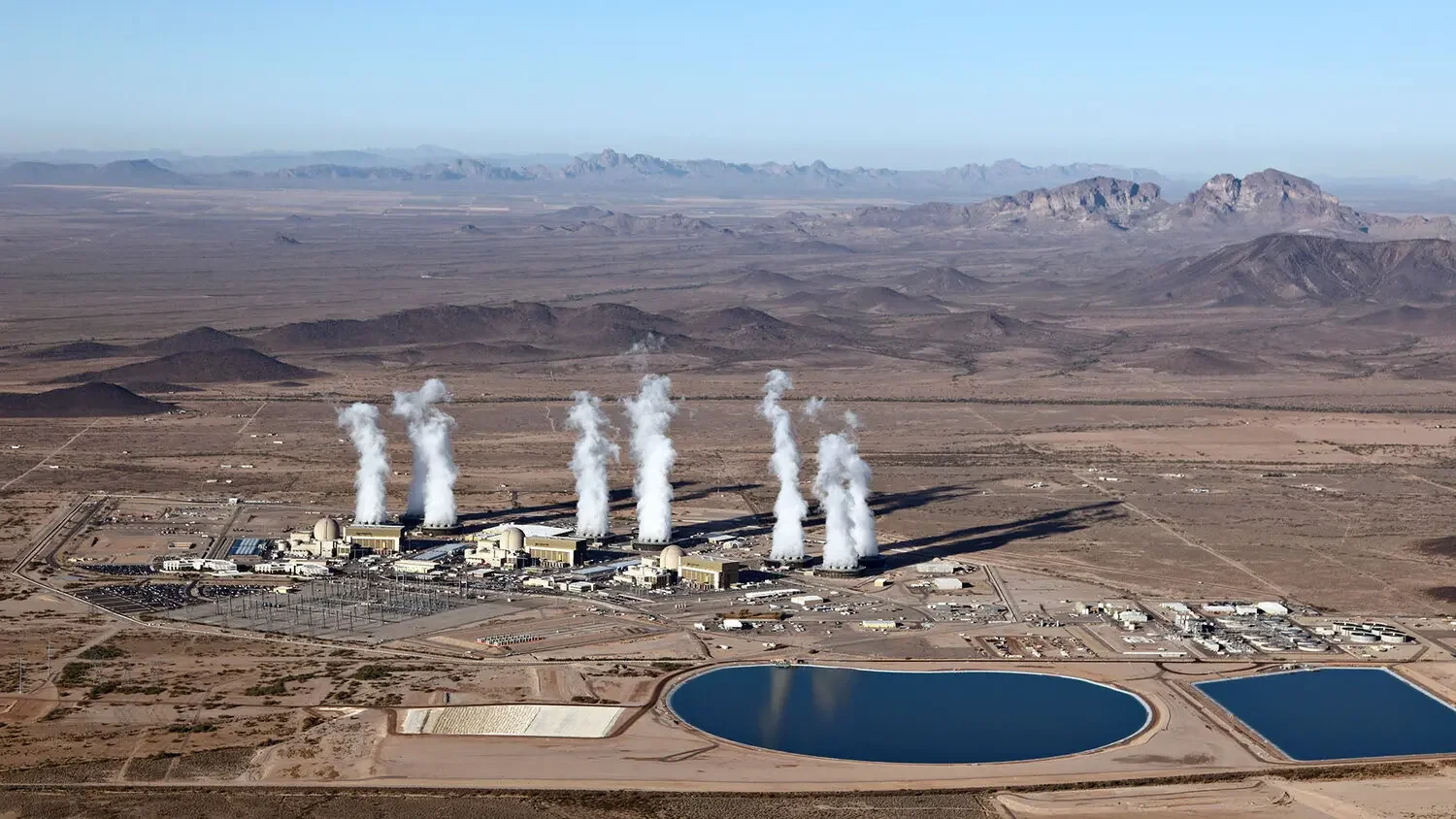
XPEL complements wastewater treatment plants by reducing incoming or residual volumes that exceed treatment capacity, helping stabilize operations during peak demand.
-
By reducing stored water across multiple locations, XPEL improves hydraulic control and helps sites maintain a more predictable total water balance under changing inflow conditions.
-
XPEL supports treatment plants by evaporating excess liquid that cannot be fully processed, reducing hydraulic load and contributing to more stable plant operation.
-
Evaporation provides an alternative pathway for managing excess wastewater volume, reducing the strain on mechanical or biological treatment systems without altering water quality.
-
XPEL helps reduce standing stormwater volumes after high-inflow events, easing pressure on containment areas and improving site resilience during extreme weather.
-
Evaporation assists watershed programs by lowering excessive water accumulation within controlled areas, supporting broader water-balance strategies across industrial or municipal sites.
-
XPEL supports zero effluent discharge objectives with systems that close the loop, reduce waste volumes, and improve environmental stewardship.
-
Evaporation systems reduce overflow and bypass volumes during peak inflow periods, supporting stable operation without performing any treatment or purification function.
TESTED & PROVEN
XPEL evaporators are tested & proven in power generation water management applications.
Capability
XPEL evaporation systems are engineered to manage the complex and variable wastewater streams generated by power generation operations. This includes coal ash water, cooling tower blowdown, saline and brine streams, and process water with high TDS, TSS, and wide pH ranges. Each system is designed for continuous, high-throughput operation, delivering reliable volume reduction without chemical-intensive treatment or constant operator intervention.
Integrated Environmental Management System (EMS) adjust performance in response to real-time environmental conditions, supporting stable operation and regulatory compliance. This allows power generation facilities to manage wastewater volumes predictably, even as inflows, water quality, and operating conditions change.
Experience
XPEL brings decades of experience delivering large-scale water management solutions for power generation facilities around the world. In Montana, USA, a coal-fired power station faced significant volumes of brine wastewater and a limited operating window for water management systems.
Operating 24 hours per day, the system consistently evaporates more than 2.9 million gallons of brine wastewater per day, helping the facility manage brine volumes effectively within its seasonal operating constraints. The complete system was delivered ahead of schedule and commissioned in cooperation with plant personnel. This demonstrates XPEL’s ability to deliver reliable performance in demanding, time-critical power generation environments.
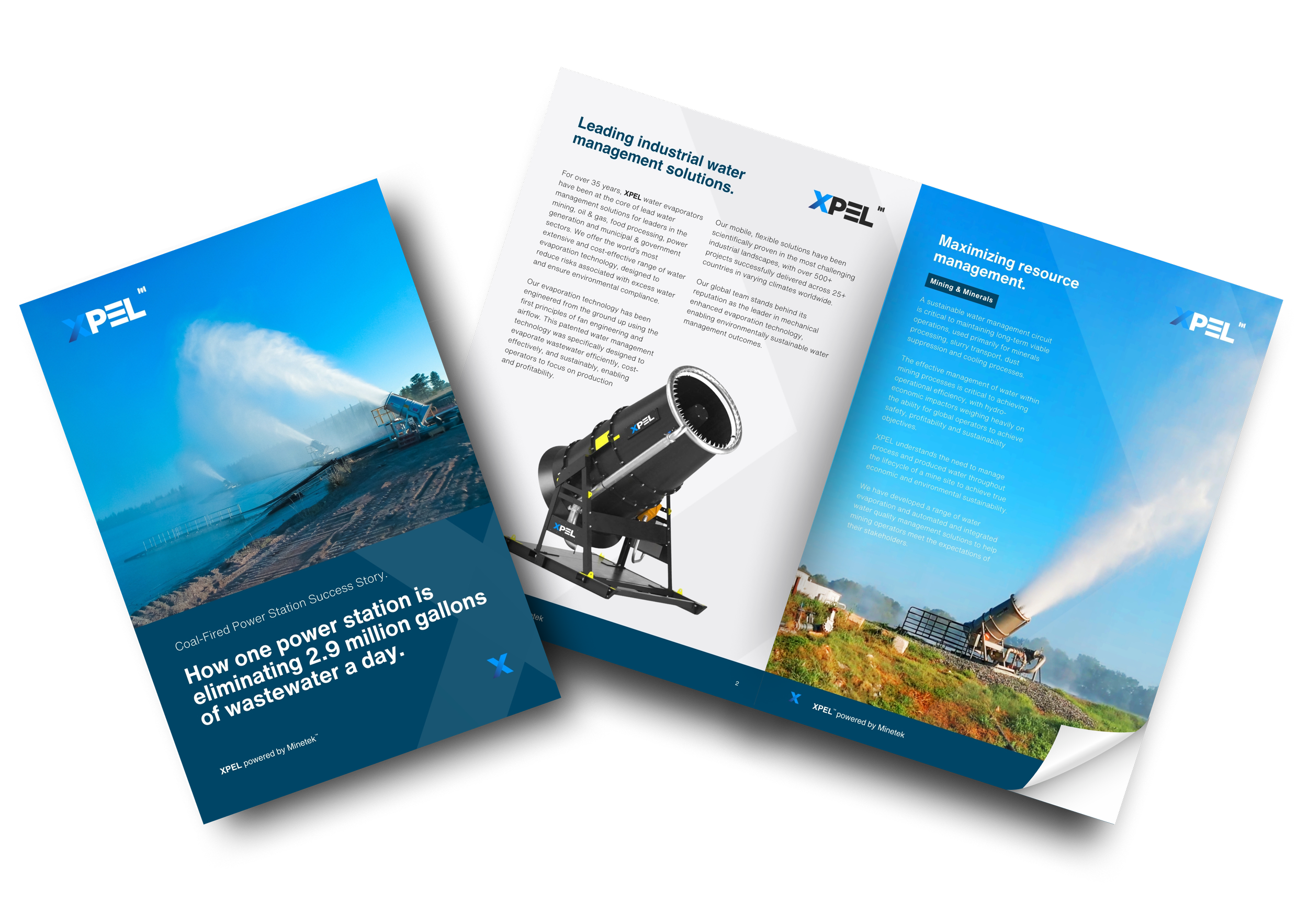
Power generation case study download.
XPEL partnered with a coal-fired power station in Montana, United States, that was handling significant volumes of brine wastewater and needed a management system large enough to efficiently handle the high volume onsite. After considering several alternative, costly solutions, including a brine concentrator, this coal-fired power station approached XPEL for an efficient, cost-effective solution.

Water management FAQs
For a deeper understanding of how XPEL supports produced water management in the power generation industry, we've compiled a comprehensive list of frequently asked questions.
This resource covers topics including produced water treatment technologies, disposal cost reduction, water recycling and reuse, high salinity water management, mobile treatment systems, discharge compliance, treatment economics, and selecting the right solution for your operational requirements.
Explore the full FAQ section to learn how XPEL's evaporation solutions can reduce produced water volumes, lower disposal costs, and support more efficient, compliant water management across power generation operations.
-
The best treatment option depends on the intended outcome, whether disposal, reuse, or discharge. Most treatment trains begin with bulk oil and solids removal, followed by dissolved salt and scaling control if reuse is required. Advanced mechanical evaporation is highly effective for high-salinity produced water and applications where significant volume reduction is essential.
-
Disposal costs are lowered by minimising the volume sent for trucking or deep well injection. Early oil and solids removal, stream segregation, and reuse where permitted all reduce overall disposal demand. XPEL evaporation systems reduce onsite liquid volumes through controlled evaporation, decreasing the amount of produced water requiring transport or injection and directly lowering disposal costs.
-
Reuse requires consistent control of oil, suspended solids, bacteria, and scaling potential. Common technologies include deoiling, filtration, chemical treatment, and disinfection to stabilise water quality for reuse programs. Where high TDS or variable water chemistry limits membrane performance, evaporation supports reuse strategies by reducing overall liquid volumes and easing treatment system constraints.
-
High TDS levels limit the effectiveness of many conventional treatment technologies, particularly membrane-based systems. Treatment trains typically begin with robust oil and solids removal to protect downstream processes. For very high salinity streams, evaporation provides a direct and reliable solution, operating independently of dissolved salt concentration while delivering substantial liquid volume reduction.
-
Mobile treatment options include trailer- or container-mounted deoiling, filtration, and chemical treatment systems. Containerized evaporation units are used where infrastructure is limited and disposal logistics are costly, providing onsite volume reduction without permanent installation.
-
Transitions typically begin with pilot systems to define reuse requirements. Treatment trains are staged, starting with oil and solids removal, followed by scaling and bacterial control. Evaporation is added when high salinity or water quality variability prevents stable recycling through conventional treatment systems.
-
Offshore compliance focuses on oil-in-water limits, chemical management, and continuous monitoring. High-efficiency separation and polishing filtration are commonly used. Evaporation is less common offshore due to space and energy constraints but may be applied where volume minimization is required.
-
The most critical factor is the ability to eliminate disposal risk at the source. XPEL offers evaporation solutions that significantly reduce or remove the need for deep well injection, hauling, or surface discharge. By evaporating produced water onsite, liquid volumes are minimized, environmental exposure is reduced, and reliance on external disposal pathways is lowered. Proven performance with high-TDS, variable-quality produced water is essential when selecting an outsourcing partner.
-
Economic evaluation requires a full lifecycle cost comparison. Disposal costs include trucking, injection fees, permitting, and long-term risk. Treatment costs include energy, chemicals, maintenance, and residual handling. Evaporation often improves project economics by reducing the liquid volume that drives most disposal costs.
-
Indeed, XPEL™ delivers comprehensive project handling for those seeking a seamless experience, covering initial evaluations, full design and fabrication, right through to powered-up, automated deployment. This extends to on-site activation and staff training.
-
By evaporating water on-site, XPEL™ eliminates discharge needs, safeguarding nearby waterways, wetlands, and habitats. Treating issues at the origin prevents broader ecosystem harm and pollution risks.
PRODUCTS
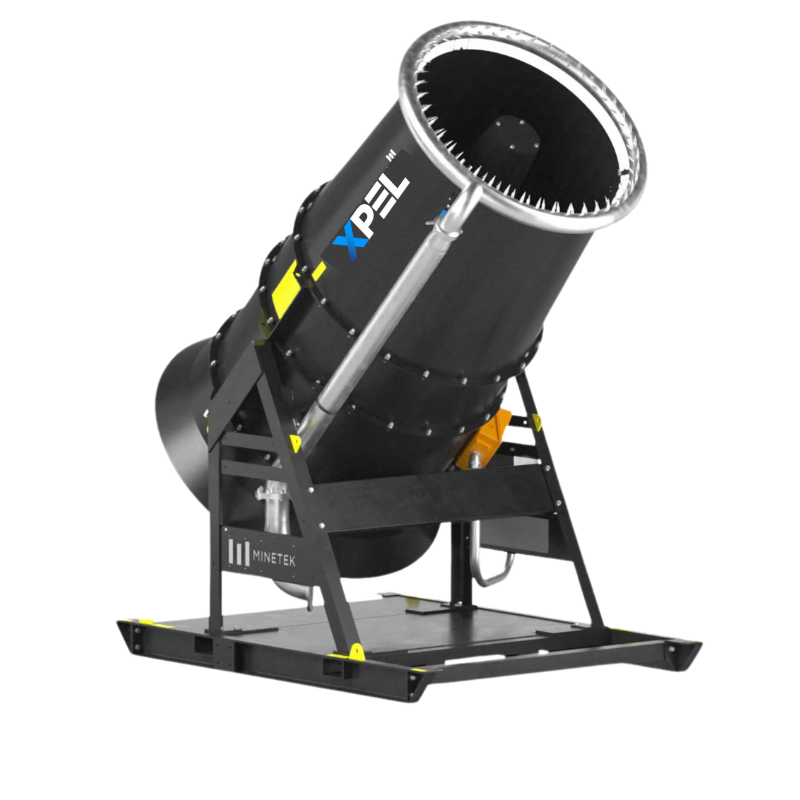
Land based
evaporators.
Fully customisable and bespoke in design, our XPEL land based water evaporators are available in a range of sizes enabling operators to reduce the risks associated with excess water and ensure environmental compliance with a wide range of water processing capabilities.
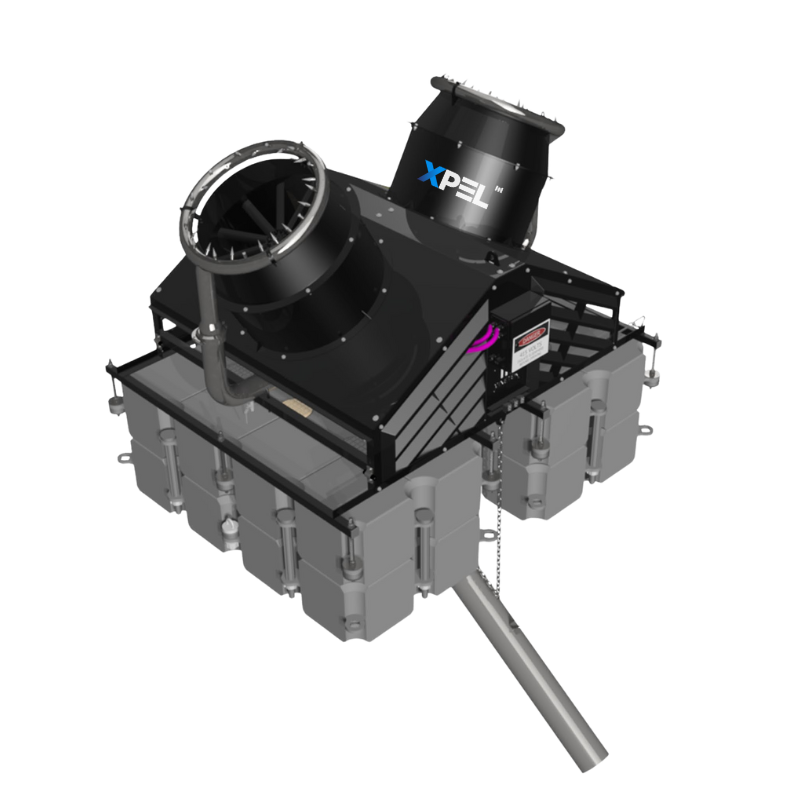
Pontoon
evaporators.
When land based units aren’t an option, the XPEL Pontoon Series evaporator is a water management solution that can be relied on to help reduce the risk of excess water and ensure environmental compliance by reducing the volume of water stored on-site using mechanically enhanced evaporation.