

How to cut wastewater hauling costs in 2026.
Near-capacity industrial facilities have three methods for actually reducing wastewater volume, reuse and recirculation, treatment equipment upgrades, and evaporation, plus storage optimization, which manages the problem day to day without reducing volume at all. Hauling is often billed as a simple per-gallon or per-load line item that hides the operational and compliance costs behind it, and facilities relying on scheduling or partial reuse alone still generate roughly the same total volume that eventually needs treatment or removal.
XPEL's evaporation systems, built on Mechanically Enhanced Evaporation (MEE) technology, physically remove wastewater volume onsite before it ever reaches storage or a truck. This guide covers the challenge, the available methods, and why evaporation typically delivers the largest reduction in hauling costs.
Key takeaways
Storage optimization and reuse planning help manage volume but don't eliminate it; the same water still needs treatment or removal eventually.
System upgrades close the capacity gap at aging facilities, with evaporator retrofits typically the lowest-capital path for facilities already near their storage limit.
Facilities pairing evaporation with reuse planning see the largest reduction in total wastewater volume of any strategy combination.
XPEL evaporation directly reduces total wastewater volume, cutting hauling costs at the source instead of managing around the existing volume.
Why wastewater hauling costs are climbing in 2026.
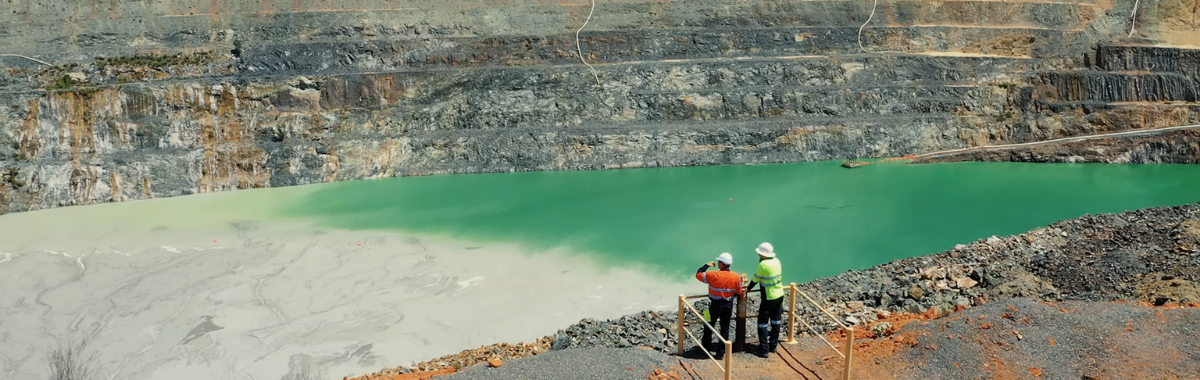
Facilities built for a certain throughput are now running past it. As production scales up, wastewater volume scales with it, and the site's storage and treatment infrastructure often hasn't changed since it was installed. The EPA estimates U.S. clean water infrastructure needs will total $630.1 billion over the next two decades, driven largely by systems built to run for 30, 40, or 50 years that are now well past the point their original design assumed. That gap between generated volume and onsite capacity is what drives more frequent hauling, and hauling frequency is the direct cost driver operators feel first.
Solutions for cutting wastewater hauling costs.
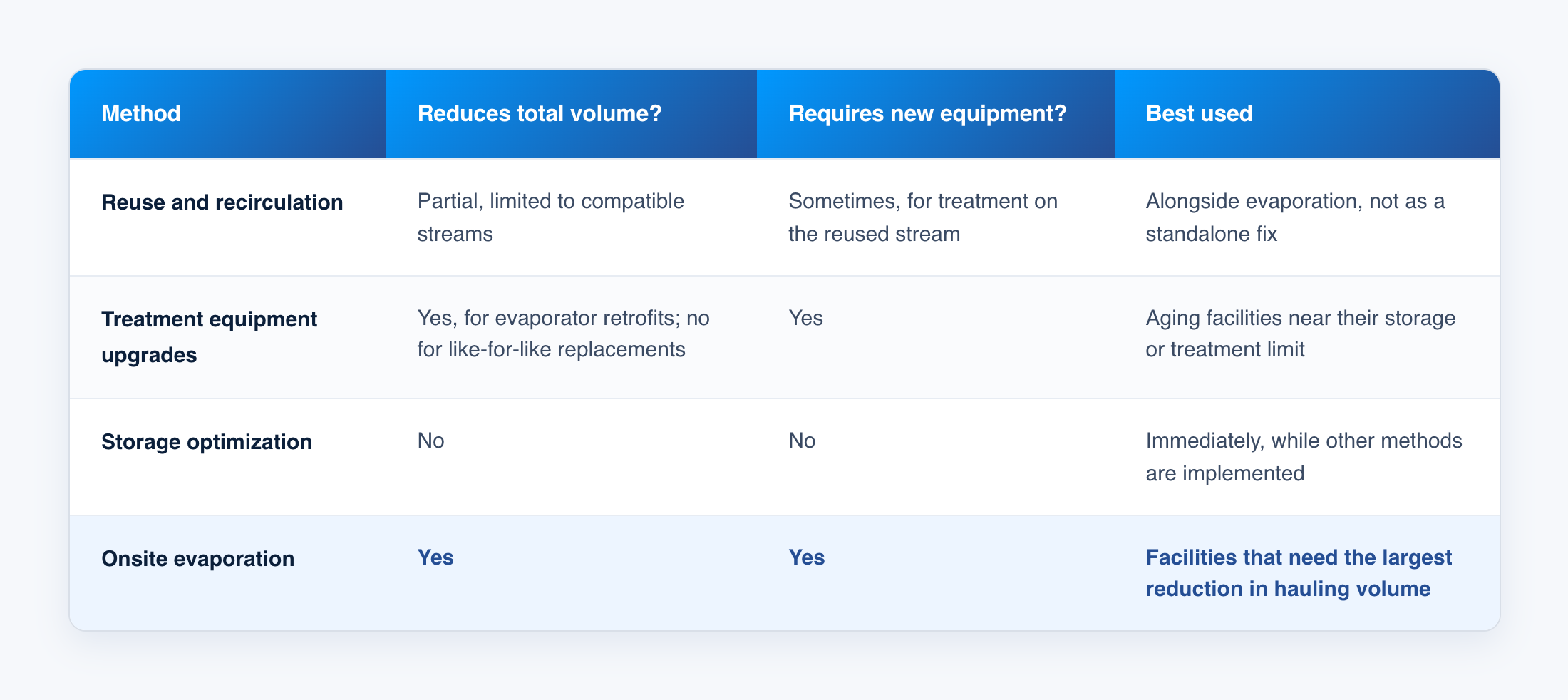
Three of the following methods reduce the actual volume of wastewater a facility generates. The fourth, storage optimization, doesn't reduce volume; it's included because it changes how soon a facility feels the pressure of the other three not being in place yet.
Reuse and recirculation. Audit process streams to identify which are clean enough to recirculate for washdown, cooling, or dilution without additional treatment, then match those streams to compatible downstream uses. Streams that can't be recirculated still need treatment, which is why designs built for zero liquid discharge combine reuse with evaporation to physically reduce the water volume that can't be recirculated.
Treatment equipment upgrades. Replacing undersized treatment equipment that was never designed for current throughput, or retrofitting an evaporator into existing infrastructure, which is typically the lowest-capital option since it reduces the volume needing storage rather than adding new physical capacity.
Storage optimization. Sequencing tank drawdown so storage empties before a batch process fills it back up, and monitoring fill rate against haul schedule in real time, so trucks are dispatched against actual tank levels rather than a fixed calendar. This doesn't reduce the volume a facility generates; it reduces reactive or emergency hauls while methods 1, 2, and 4 are being implemented.
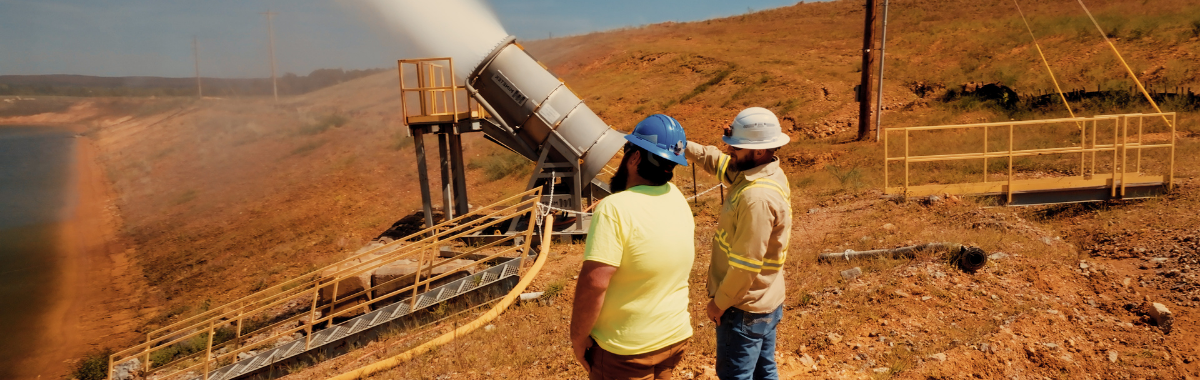
Onsite evaporation. Removes wastewater volume permanently rather than redirecting it, and processes wastewater regardless of contamination level, unlike reuse, which only works on streams clean enough to recirculate. Evaporation scales with a facility's actual throughput instead of requiring new physical storage capacity, and once installed it runs continuously without needing new segregation or sorting procedures for incoming streams. Because it removes volume before it reaches any downstream step, it reduces the demand on storage, treatment, and hauling all at once, rather than shifting cost from one to another. Covered in depth below.
Comparing the four methods.
XPEL evaporation: the most direct way to cut hauling costs.
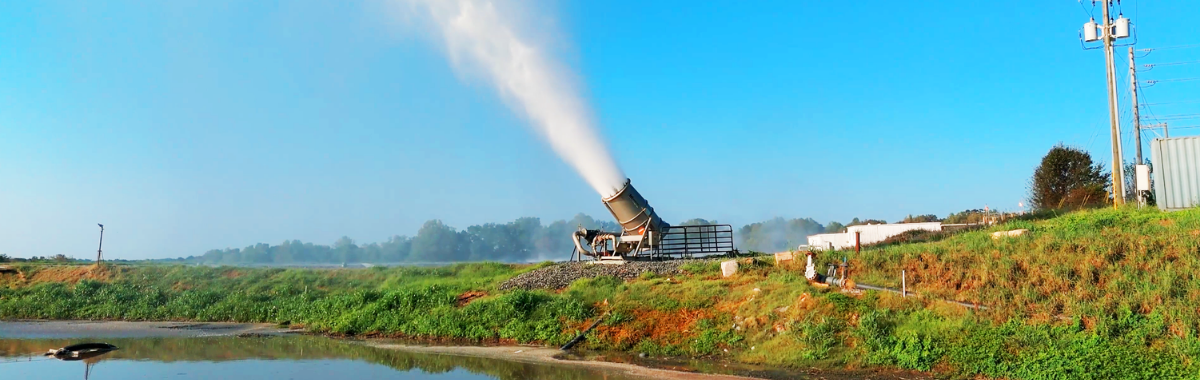
Storage optimization changes when water moves. Reuse planning changes where some of it goes. Neither one changes how much wastewater a facility actually generates, which is why evaporation produces the largest single reduction in hauling volume: it's the only method that removes water from the site permanently rather than rescheduling or redirecting it.
XPEL's evaporation systems use mechanically enhanced evaporation built to achieve up to 50% volume evaporation across a working pH range of 1.8 to 14+. That range matters for facilities weighing evaporation against reuse: reuse only works for streams clean enough to recirculate, while evaporation processes wastewater regardless of contamination level. Systems paired with XPEL's Environmental Management System add real-time monitoring that automatically refines performance to sustain efficiency and compliance.
Why evaporation outperforms the alternatives on hauling cost specifically:
It removes volume permanently, rather than delaying or redirecting the same water.
It works across a wide contamination range (pH 1.8 to 14+), where reuse is limited to compatible streams.
It scales with facility throughput instead of requiring new physical storage capacity.

Case study: removing 350,000 gallons a day from a processing facility.
At a food processing facility in the United States, an XPEL land-based evaporation system achieved a sustained throughput of 600 GPM (135 m³/hour), preventing wastewater pond overflow during peak inflow periods. At 34% evaporation efficiency, that system cut roughly 350,000 gallons per day from the site's discharge volume, water that never needed a storage slot or a truck.
That result reflects a broader track record: XPEL has deployed more than 600 evaporation systems across 30+ countries, built on evaporation technology in operation since 2009.
Talk to XPEL about site wastewater volume.
Facilities near capacity don't need a bigger fleet of trucks. They need less water leaving the site in the first place, and evaporation is the lever that delivers that directly. XPEL's evaporation systems are built to cut wastewater volume at the source, reducing hauling frequency and the costs that come with it. Facility managers and operators can contact XPEL water management experts to evaluate a site's evaporation potential.
Frequently Asked Questions (FAQs)
How can industrial sites reduce wastewater hauling costs?
The most direct way industrial sites reduce hauling costs is by removing wastewater volume onsite through evaporation, since it's the only lever that permanently reduces the total volume generated. Storage optimization and reuse planning support this by managing volume day to day, but neither eliminates it the way evaporation does.
How can water treatment facilities manage wastewater more efficiently when plants are near capacity?
Facilities near capacity manage wastewater most efficiently by pairing storage optimization, such as sequencing tank drawdown against production schedules, with an onsite evaporation system that reduces the total volume needing storage in the first place. Storage changes buy time; evaporation removes the underlying capacity constraint.
Which water solutions help ageing industrial facilities reduce wastewater storage pressure?
Retrofitting an evaporator into existing infrastructure is typically the lowest-capital way for aging facilities to reduce storage pressure, since it reduces wastewater volume before it needs a storage slot rather than adding new capacity to hold more of it. Replacing undersized treatment equipment or adding standalone monitoring are other options, though neither reduces total volume the way an evaporator retrofit does.
Does onsite evaporation work for all types of industrial wastewater?
XPEL's evaporation systems operate across a pH range of 1.8 to 14+, allowing them to process wastewater across most industrial contamination levels. This is a key difference from reuse and recirculation, which only work on streams clean enough to recirculate without additional treatment.
How much wastewater volume can onsite evaporation remove?
XPEL's evaporation systems achieve up to 50% volume evaporation, reducing the water that needs storage or hauling before it ever leaves the process. At one animal feed processing facility, an XPEL system removed roughly 350,000 gallons per day from the site's discharge volume.