

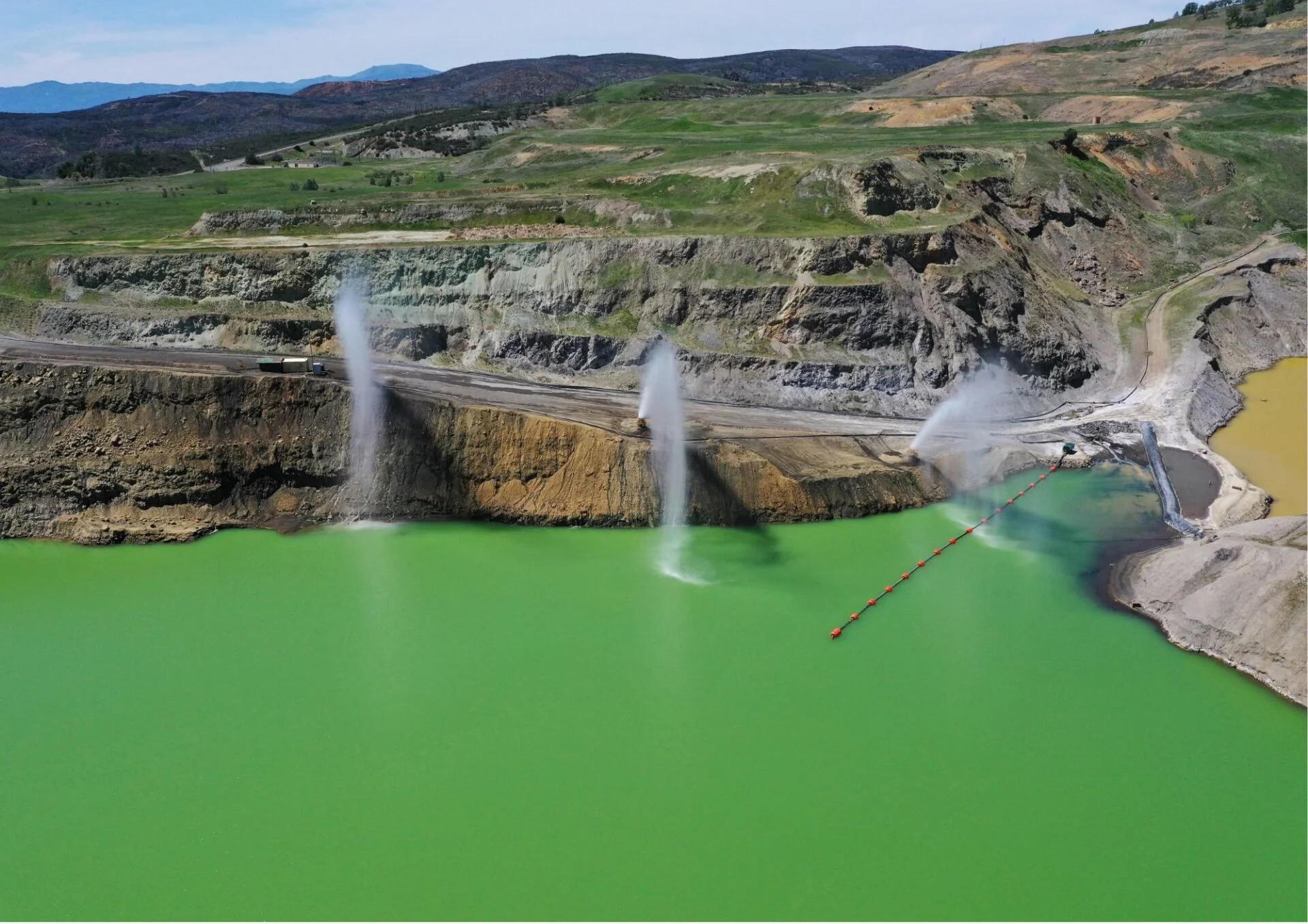
Legacy & industrial water management.
→ INDUSTRIES / LEGACY INDUSTRIAL
Complex water loads and long-standing environmental pressures define legacy and industrial sites, and XPEL delivers the evaporation capability required to restore stability and manage risk with consistency.

LEGACY & INDUSTRIAL WATER MANAGEMENT
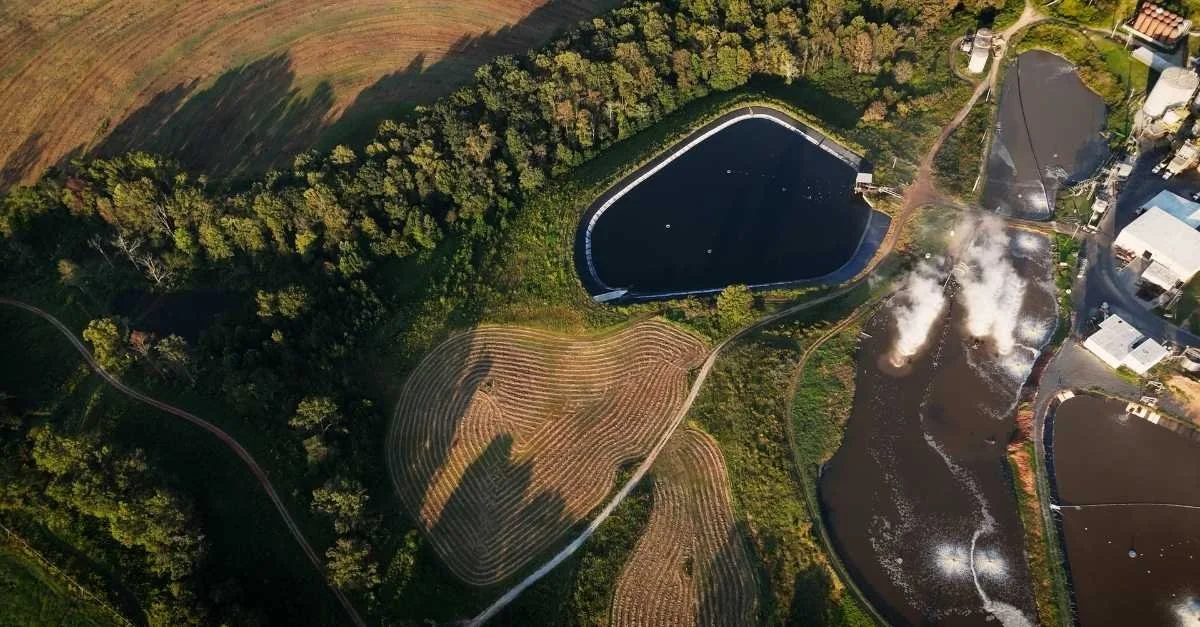
Legacy and industrial environments face persistent water pressures shaped by aging assets, historical contamination and long-term exposure to the elements. XPEL delivers the stability required in these settings, providing dependable water-volume reduction where conventional infrastructure no longer keeps pace.
Built on decades of engineering depth, XPEL evaporation systems are precisely designed to manage large, complex water loads that accumulate across legacy sites and long-running industrial operations. This technical foundation allows the system to stabilize challenging chemistries, reduce stored volumes and restore control in environments where historical water issues compound over time.
XPEL handles high-salinity wastewater, residual process water and impacted runoff from mine voids, industrial basins and decommissioned assets, easing pressure on treatment networks and lowering containment risk across constrained or deteriorated sites. Its mobile, modular configuration adapts to uneven terrain and restricted layouts, while automated operation maintains consistent evaporation output with minimal oversight.
By reducing long-term environmental exposure and slowing the deterioration of existing infrastructure, XPEL strengthens both immediate operational control and the broader rehabilitation strategy for legacy and active industrial sites.
XPEL evaporators support key industrial applications, providing reliable water reduction across legacy site remediation, process wastewater control and contaminated runoff management..
Legacy & industrial water management solutions.
■
-
XPEL supports ZLD programs by removing water through evaporation so that mines can minimize liquid releases while managing the remaining concentrated brine within regulated systems.
-
Evaporation assists landfill operators by lowering leachate volumes, easing pressure on storage ponds and reducing reliance on frequent hauling or external processing.
-
Evaporation lowers the total volume of acidic water requiring management, easing pressure on containment infrastructure and supporting long-term site stability without altering water chemistry.
-
XPEL reduces excess water stored within tailings facilities by evaporating large volumes and helping operators manage ongoing inflows and rainfall impacts more effectively.
-
High-capacity evaporation systems help reduce accumulated legacy pit water, improving safe access, stabilizing working areas and supporting more consistent mining productivity over time.
-
Engineered evaporation reduces the volume of process water requiring disposal, helping operators relieve pressure on discharge points and downstream handling assets.
-
XPEL complements wastewater treatment plants by reducing incoming or residual volumes that exceed treatment capacity, helping stabilize operations during peak demand.
-
By reducing stored water across multiple locations, XPEL improves hydraulic control and helps sites maintain a more predictable total water balance under changing inflow conditions.
-
Evaporation provides an alternative pathway for managing excess wastewater volume, reducing the strain on mechanical or biological treatment systems without altering water quality.
-
XPEL helps reduce standing stormwater volumes after high-inflow events, easing pressure on containment areas and improving site resilience during extreme weather.
-
Evaporation assists watershed programs by lowering excessive water accumulation within controlled areas, supporting broader water-balance strategies across industrial or municipal sites.
-
XPEL supports zero effluent discharge objectives with systems that close the loop, reduce waste volumes, and improve environmental stewardship.
-
Evaporation systems reduce overflow and bypass volumes during peak inflow periods, supporting stable operation without performing any treatment or purification function.
-
Mechanical evaporation reduces water accumulation within closed loop industrial systems, supporting controlled reuse and stable operation in ageing or capacity-constrained infrastructure.
-
XPEL evaporation system reduces excess wastewater volumes, helping legacy industrial facilities manage hydraulic loading rates and maintain stable performance without major infrastructure upgrades.

PRODUCTS
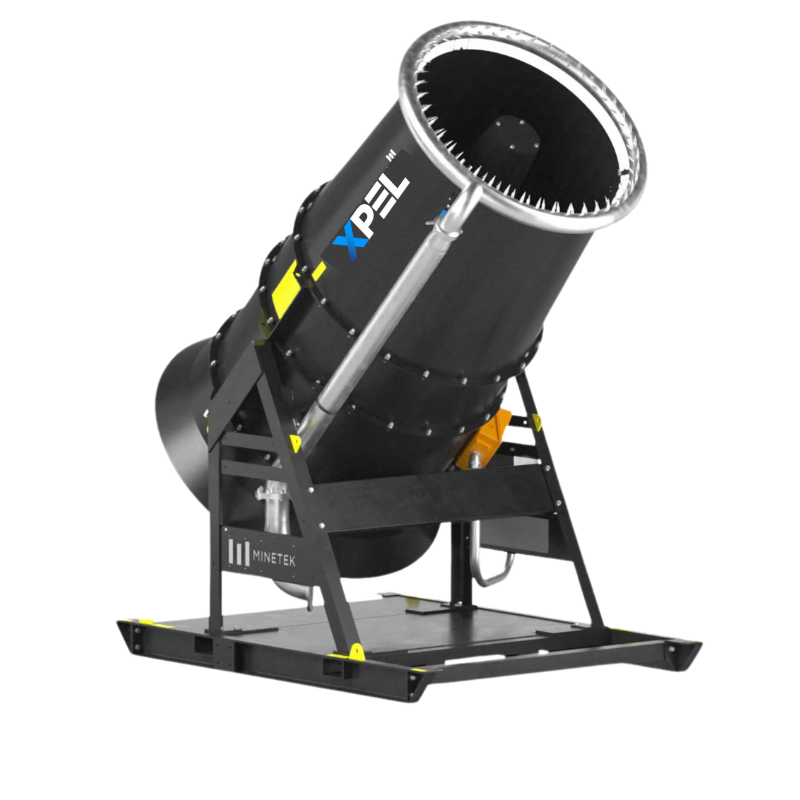
Land based
evaporators
Fully customisable and bespoke in design, our XPEL land based water evaporators are available in a range of sizes enabling operators to reduce the risks associated with excess water and ensure environmental compliance with a wide range of water processing capabilities.
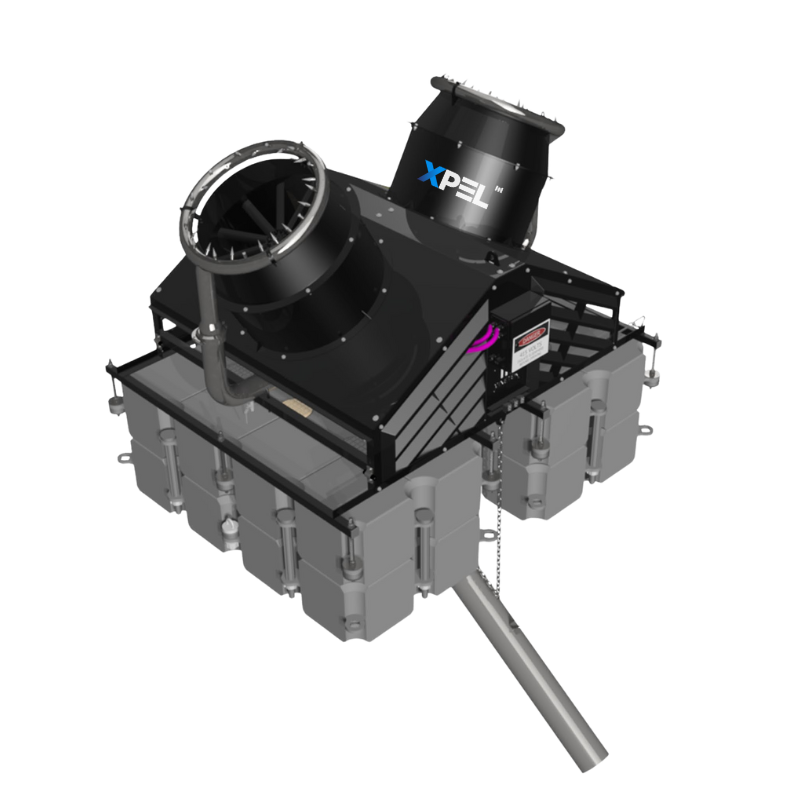
Pontoon
evaporators
When land based units aren’t an option, the XPEL Pontoon Series evaporator is a water management solution that can be relied on to help reduce the risk of excess water and ensure environmental compliance by reducing the volume of water stored on-site using mechanically enhanced evaporation.
TESTED & PROVEN
XPEL evaporators are tested & proven in government & municipal water management applications.
Capability
XPEL delivers controlled water reduction for legacy and industrial environments where long-standing waste streams, impacted runoff and variable chemistry demand consistent performance. The system supports rehabilitation and ongoing industrial activity by lowering liquid volumes, improving water handling efficiency and helping operators limit contamination risk. Mobile, modular configurations enable deployment around constrained or aging infrastructure, giving teams flexibility as site conditions change.
Experience
XPEL technology has been proven in complex industrial settings, including a major deployment in California where the system achieved a consistent evaporation rate of 250 GPM. This project observed stable output across fluctuating water conditions and helped the operator significantly reduce excess storage volumes while avoiding costly off-site disposal. Backed by years of legacy-site and industrial project delivery, XPEL solutions continue to support remediation timelines, strengthen environmental performance and improve long-term site stability across former mine workings, decommissioned assets and long-operating industrial facilities.