

XPEL evaporation solution for power plant wastewater.
Power generation facilities generate wastewater streams, coal ash water, cooling tower blowdown, high-salinity brine, that resist a single treatment approach. For these sites, industrial wastewater management often means volume control first. XPEL's mechanical evaporation systems reduce that volume at the source, connecting into a plant's existing pumps so teams regain water balance without expanding treatment infrastructure.
Key takeaways: What operations and environmental leaders need to know before evaluating a wastewater volume solution
Volume reduction drives industrial wastewater management. Mechanical evaporation lowers stored wastewater volume without treating or purifying it.
Built for power plant streams. XPEL evaporators handle coal ash water, cooling tower blowdown and high-pH saline brine.
Proven at scale. A Montana coal-fired power station runs 10 XPEL evaporators that remove more than 2.9 million gallons of brine daily.
No new infrastructure required. Systems connect into a plant's existing pumping and control setup.
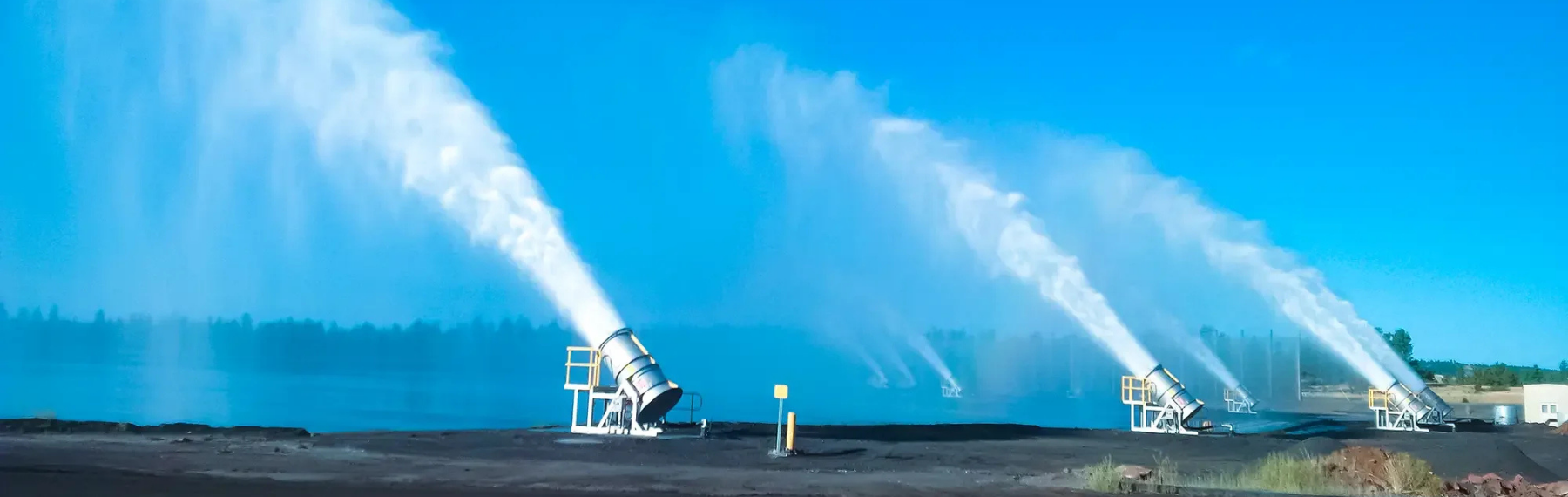
Excess wastewater strains power plant compliance budgets.
Power generation facilities operate inside tightly regulated water management environments. Cooling, steam production and process activity all generate wastewater streams that vary in quality and volume, and each one needs reliable control to protect both operational continuity and environmental compliance.
Traditional approaches put sustained pressure on a plant in three places:
Storage capacity fills up. Ponds and tanks sized for one wastewater stream can't absorb spikes from another without new construction.
Transport logistics get expensive. Hauling brine or ash water offsite adds an ongoing operating cost that never goes away.
Treatment infrastructure hits its ceiling. Upgrade timelines run long and capital requirements run high, and site constraints narrow the options further as disposal regulations tighten.
Water solutions that help power generation facilities manage excess wastewater have to work within those constraints instead of adding to them. Volume reduction at the source carries more weight than another round of treatment expansion.
XPEL evaporation systems process the water quality power plants actually generate.
XPEL evaporation addresses the range of wastewater a power plant actually produces, without relying on chemical-intensive treatment methods:
Coal ash water
Process water
Saline streams
Caustic wastewater
Mechanical evaporation gives operators a practical option when conventional treatment or disposal pathways are too costly, too complex or too slow to expand.
An integrated environmental management system adjusts performance in response to real-time conditions: humidity, rainfall, and wind.
This keeps evaporation output stable and supports regulatory compliance as inflows and water quality shift. By reducing wastewater volume at the source, XPEL evaporators lower ongoing storage, transport and disposal costs alongside the capital case for expanding fixed treatment infrastructure.

Land-based and pontoon evaporators fit different site conditions.
Land-based evaporators fit sites with solid ground access, such as brine ponds and holding basins:
Connect into a plant's existing pump and control systems
Use site-matched materials, including galvanized steel, stainless steel or epoxy-coated finishes
Move as site needs shift
Pontoon evaporators fit sites where a land-based unit isn't practical, such as ponds or dams:
Float directly on the water source
Reduce volume through the same mechanically enhanced evaporation process
Skip the need for solid ground access
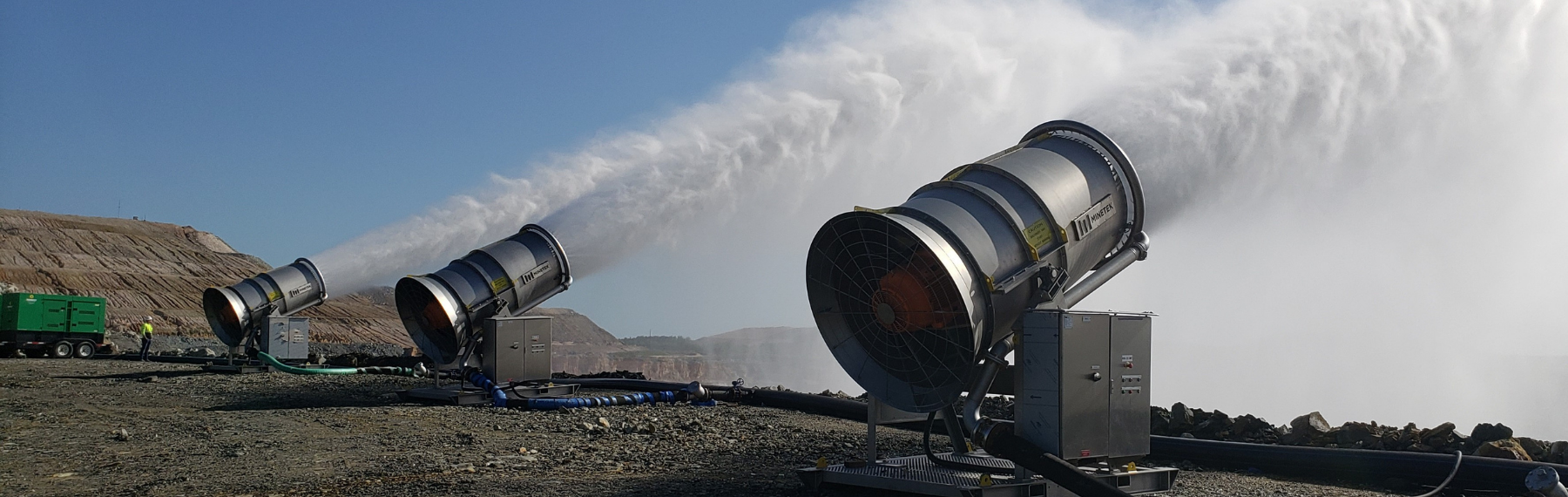
A Montana coal power station runs 4,000 GPM of brine reduction daily.
A coal-fired power station in Montana needed a way to manage large volumes of brine wastewater within a short operational window. Because of extreme winter conditions, the site could only run evaporation equipment from May to October, which meant the system had to deliver serious throughput in a compressed season.
XPEL delivered a system built for that constraint:
10 stainless steel mechanical evaporators, engineered to run 12 to 24 hours a day
A fully automated pumping system, integrated into the plant's existing operating setup
4,000 GPM peak throughput, equal to 900 cubic meters an hour
2.9 million gallons of brine evaporated daily, when the system ran continuously
The throughput strengthened water balance control, reduced dependence on costly disposal options and helped the station stay compliant within its narrow operating season.
Get a site-specific evaporation analysis before you commit to infrastructure
Every power plant's wastewater profile is different, and a system sized for one site's brine chemistry and seasonal operating window won't necessarily fit another. XPEL builds site-specific evaporation efficiency modeling around a plant's brine characteristics, seasonal run times and climate conditions before any equipment moves onsite. The modeling shows whether evaporation closes your specific volume gap, and where it fits alongside whatever treatment or disposal systems you're already running.
Frequently Asked Questions (FAQs)
Which water solutions help power generation facilities manage excess wastewater?
Mechanical evaporation is one of the primary options. XPEL systems evaporate brine, cooling tower blowdown and process water on-site, reducing volume before it strains storage, transport or treatment capacity, without requiring a plant to expand its existing treatment infrastructure.
What types of wastewater can XPEL evaporators process at a power plant?
XPEL evaporators are engineered for coal ash water, cooling tower blowdown, saline and brine streams, and process water with high TDS, high TSS or a wide pH range.
Do XPEL evaporators produce reusable treated water?
No. Mechanical evaporation reduces stored liquid volume by releasing water vapor into the atmosphere. It isn't a purification process and doesn't produce a treated stream for reuse. What it does is reduce the volume that a plant's separate treatment, disposal or reuse systems have to handle.
How much wastewater did XPEL's system process at the Montana power station?
The system processed brine at up to 4,000 GPM, or 900 cubic meters an hour, and evaporated more than 2.9 million gallons of brine a day when run continuously, across a May to October operating season.