


Closed loop circuit.
→ APPLICATIONS / CLOSED LOOP CIRCUIT
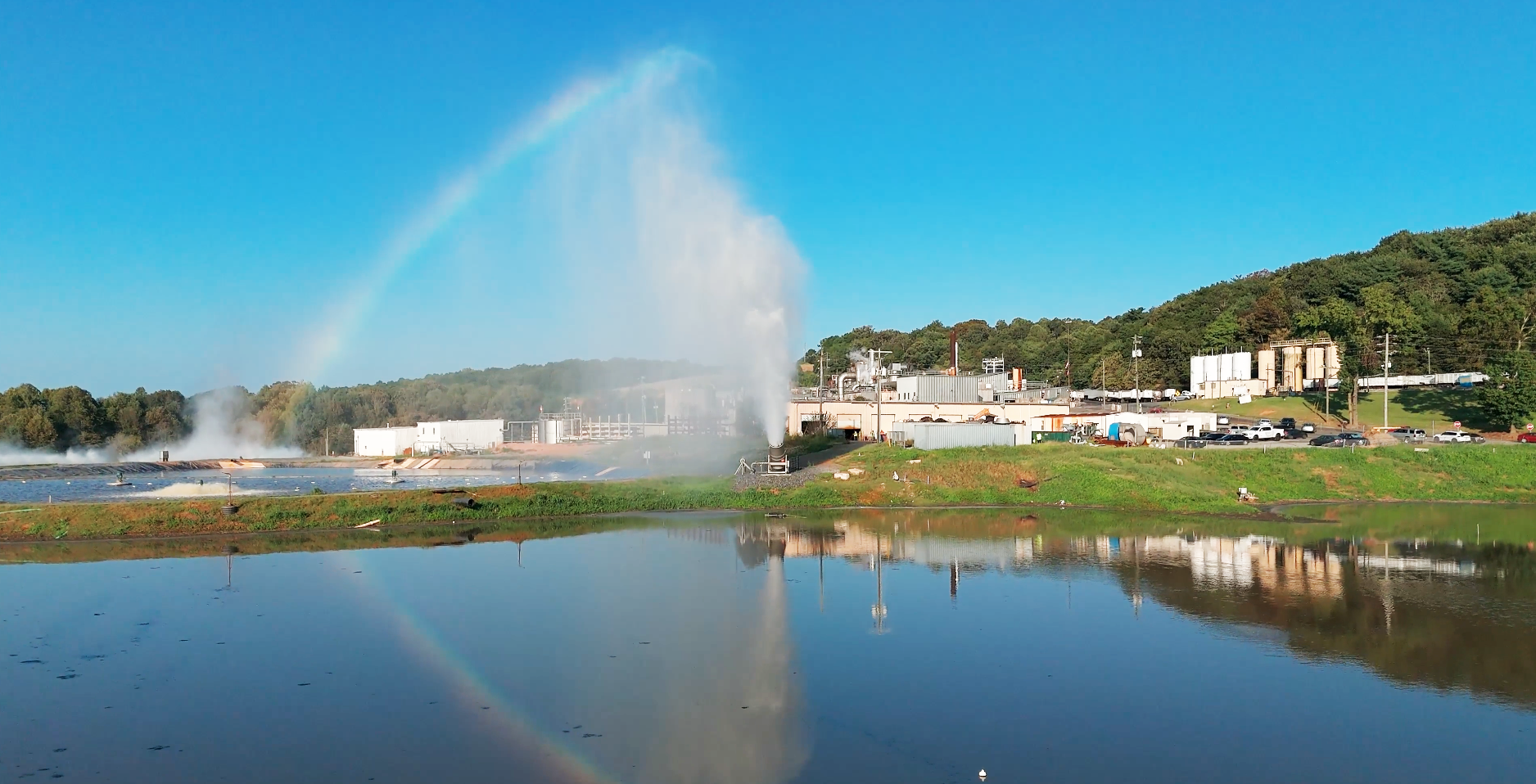
XPEL evaporation supports closed loop circuit integrity by removing surplus water volume in zero-discharge systems, where reuse capacity is finite and environmental release is not permitted.

CLOSED LOOP CIRCUIT
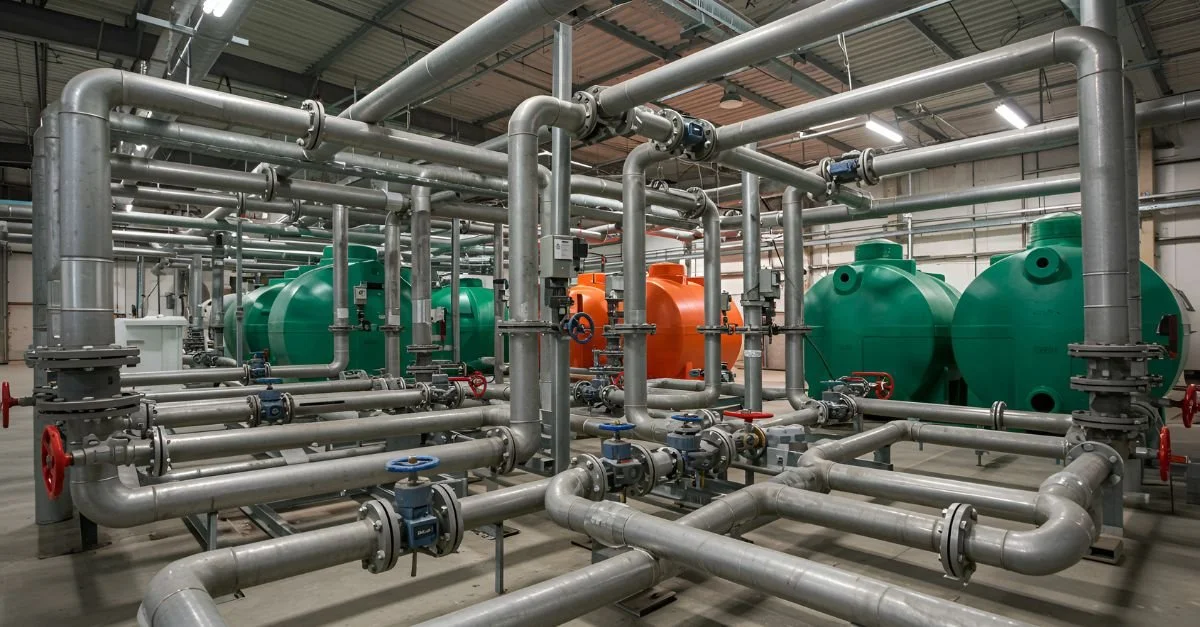
Closed loop circuits are designed to recycle and reuse water within a contained process, often under strict zero-discharge requirements. While this approach reduces external water intake, it introduces a persistent challenge. Not all water within the system can be reused, yet release to the environment is not permitted, even after treatment.
As operations continue, excess water accumulates from sources such as make-up water, condensation, process inefficiencies, or chemical additions. When reuse capacity is exceeded, systems lose balance. Operators are forced to rely on hauling, temporary storage, or additional treatment steps to prevent overflow or shutdown.
These constraints increase operational cost and complexity. Hauling introduces logistics risk and recurring expense. Expanded treatment capacity requires capital investment and space. Without a reliable way to remove surplus water, close loop systems become difficult to stabilize as operating conditions change.
XPEL evaporation mitigates this challenge by providing a controlled pathway to remove water that cannot be reused or discharged. By reducing total system volume, evaporation helps restore balance without introducing new discharge points or expanding treatment infrastructure.
XPEL supports closed loop circuit performance by enabling predictable water removal, reducing reliance on hauling and emergency disposal, and maintaining stable operation in environments where zero discharge is mandatory.
Closed loop circuit applications.
■
Closed loop circuits are implemented across industries to reduce freshwater intake, improve efficiency, and meet increasingly strict environmental requirements. In established closed loop operations, XPEL evaporation system serves an operational role, supporting system balance where reuse, quality, or capacity constraints limit full internal recycling.
-
Power plants use close loop circuits to recycle cooling water and limit intake. XPEL evaporation helps manage excess water generated from blowdown or make-up imbalance, supporting continuous operation without increasing discharge or hauling.
-
Manufacturing facilities rely on close loop systems to stabilize water and coolant use across fluctuating production cycles. XPEL provides a controlled method to remove surplus water when reuse capacity is exceeded, preventing system instability.
-
Pulp and paper mills recycle large volumes of process water to reduce freshwater demand. XPEL evaporation supports these closed loop circuits by managing excess water produced during pulping and bleaching without expanding treatment infrastructure.
-
Food processing facilities implement close loop systems for cleaning and cooling to improve sustainability. XPEL enables the removal of water that cannot be reused due to quality limitations, reducing reliance on off-site disposal.
-
Refineries and petrochemical plants use close loop circuits to recycle cooling and process water. XPEL evaporation helps manage unrecoverable water volumes while maintaining zero-discharge objectives.
-
Legacy and industrial sites adopting close loop systems often face reuse and infrastructure constraints. XPEL provides a retrofit solution to manage excess water volume while supporting modern compliance requirements.
PRODUCTS
Land based
evaporators
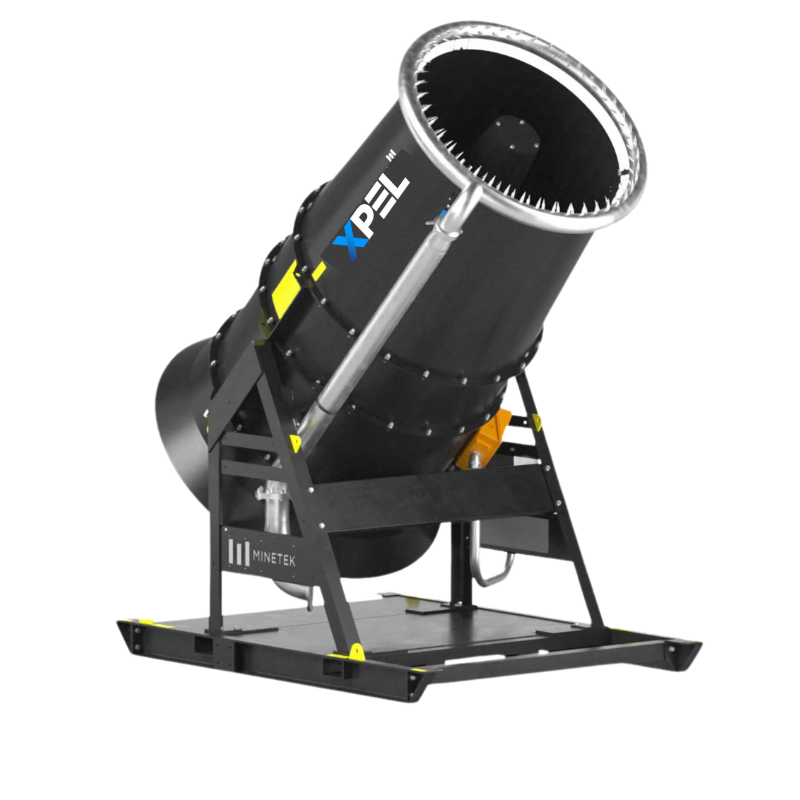
Fully customisable and bespoke in design, our XPEL land based water evaporators are available in a range of sizes enabling operators to reduce the risks associated with excess water and ensure environmental compliance with a wide range of water processing capabilities.
Pontoon
evaporators
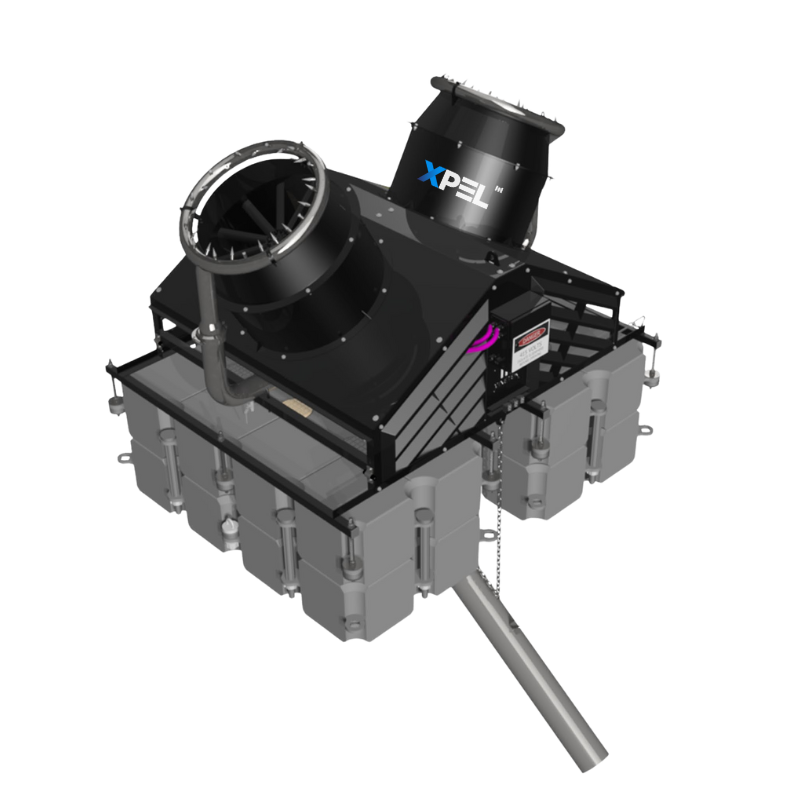
When land based units aren’t an option, the XPEL Pontoon Series evaporator is a water management solution that can be relied on to help reduce the risk of excess water and ensure environmental compliance by reducing the volume of water stored on-site using mechanically enhanced evaporation.