

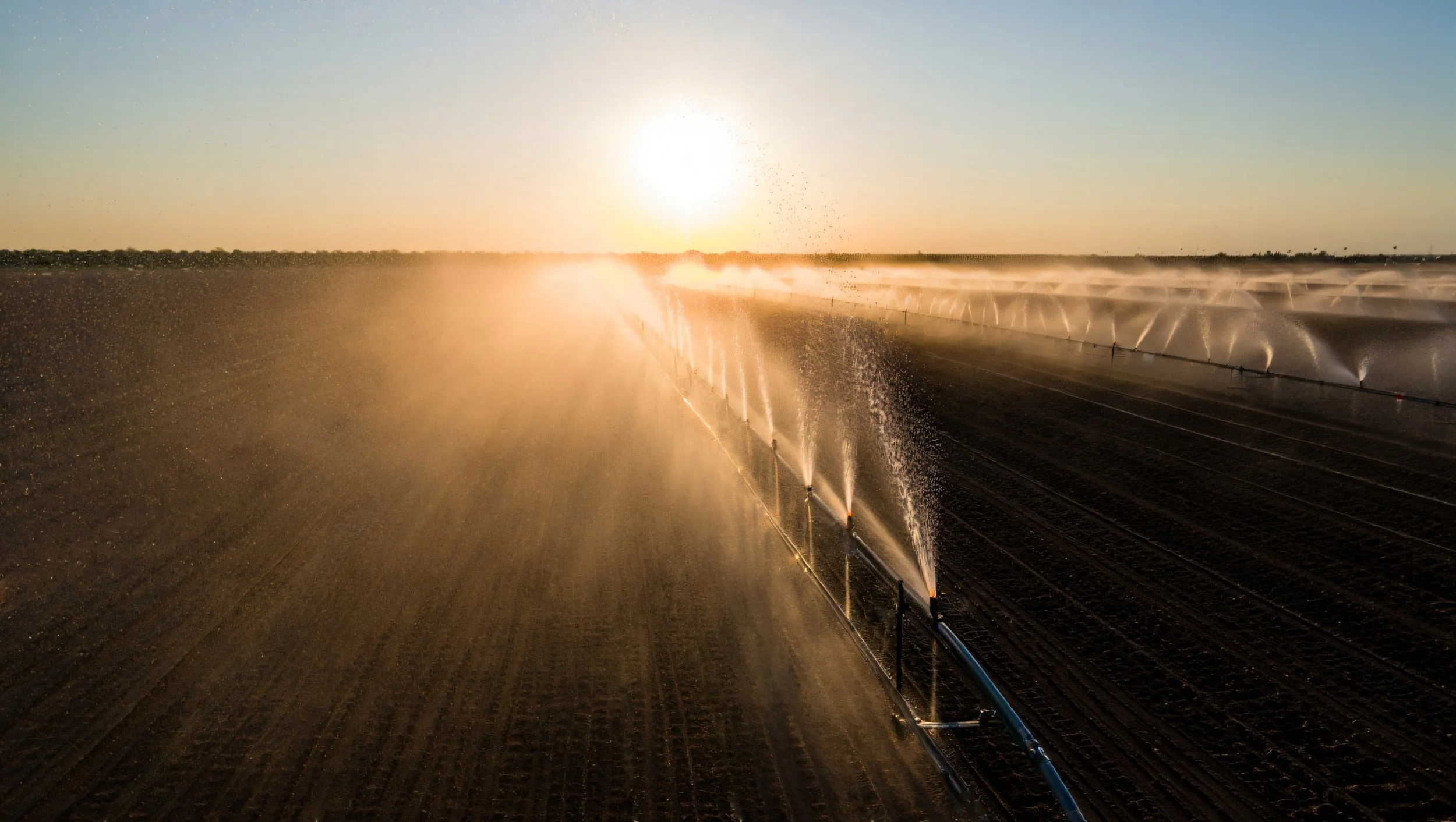
Spray field wastewater.
→ APPLICATIONS / SPRAY FIELD WASTEWATER
XPEL provides a cost-effective alternative to spray irrigation of wastewater. By reducing water volume through evaporation, operators can eliminate the need for land-based disposal and spray fields.

SPRAY FIELD WASTEWATER
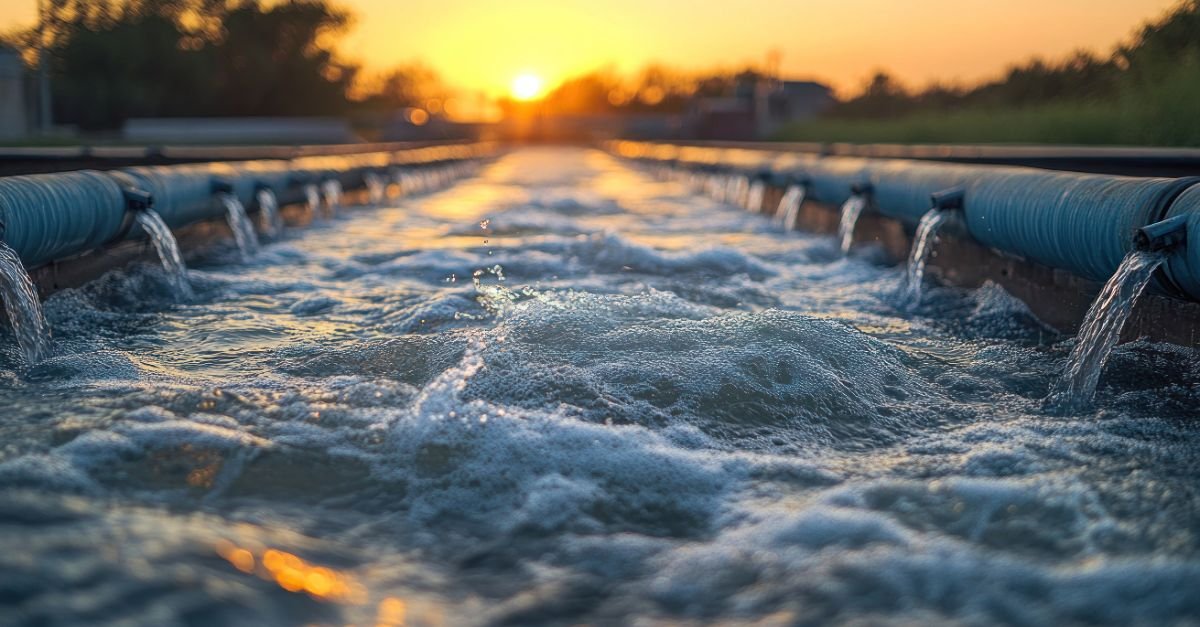
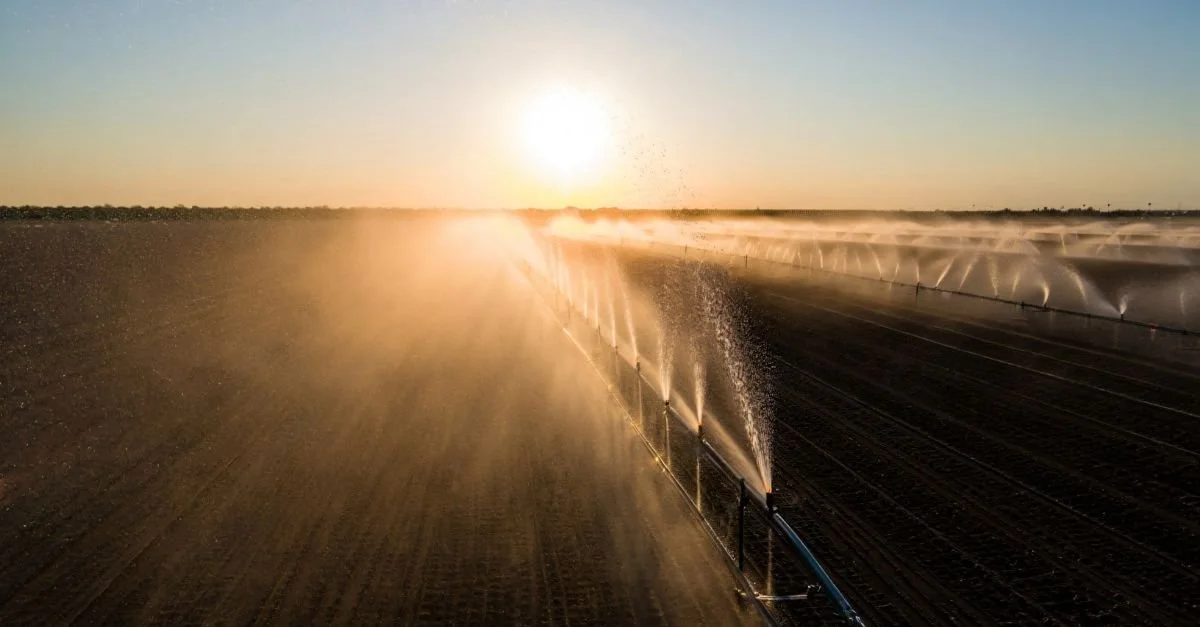
Spray field wastewater disposal becomes challenging when treated water volumes exceed what land, soil conditions, and regulatory limits can reliably absorb. Spray irrigation of wastewater depends on available land, favorable climate, and strict application controls, making performance difficult to sustain as volumes increase or conditions change.
Spray fields introduce operational pressure through land acquisition, permitting, and long-term maintenance. Facilities must manage irrigation infrastructure, monitor soil saturation, and adjust application rates to avoid runoff or groundwater impact. Weather variability further limits when spray irrigation of wastewater can occur, creating disposal constraints.
As spray field wastewater volumes grow, capacity expansion typically requires additional land and higher capital investment. Regulatory approvals and seasonal restrictions increase project timelines and reduce operational flexibility, especially during wet or cold periods.
XPEL mitigates these challenges by replacing spray field disposal with controlled mechanical evaporation. Instead of relying on land application, evaporation reduces the water volume at the source, eliminating dependence on soil performance and on climate-driven irrigation windows.
By concentrating contaminants and reducing total liquid volume, XPEL delivers a predictable alternative to spray field wastewater disposal. Our system lowers operational risk, reduces long-term costs, and provides consistent performance where spray irrigation of wastewater is no longer viable.
Spray field wastewater applications.
■
Across multiple sectors, spray fields manage treated effluent where direct discharge is limited or undesirable, but rising volumes, land constraints, climate variability, and tighter regulation strain these systems. XPEL provides a direct, land-independent alternative by removing water volume at the source.
-
Water treatment plants that rely on spray fields for effluent disposal face capacity limits tied to land availability and seasonal conditions. XPEL evaporation replaces land application by reducing water volume on site, allowing facilities to manage treated effluent without expanding spray field infrastructure.
-
Municipal wastewater facilities often use spray fields in rural or agricultural regions to manage disposal. XPEL provides a controlled evaporation pathway that removes reliance on irrigation schedules, soil performance, and weather conditions, improving disposal certainty and reducing long-term land use requirements.
-
Food processing operations using spray fields to dispose of treated wastewater can face constraints as production volumes fluctuate. XPEL evaporation enables facilities to eliminate spray field disposal, reducing land dependence while concentrating residual contaminants for controlled handling or compliant disposal.
PRODUCTS
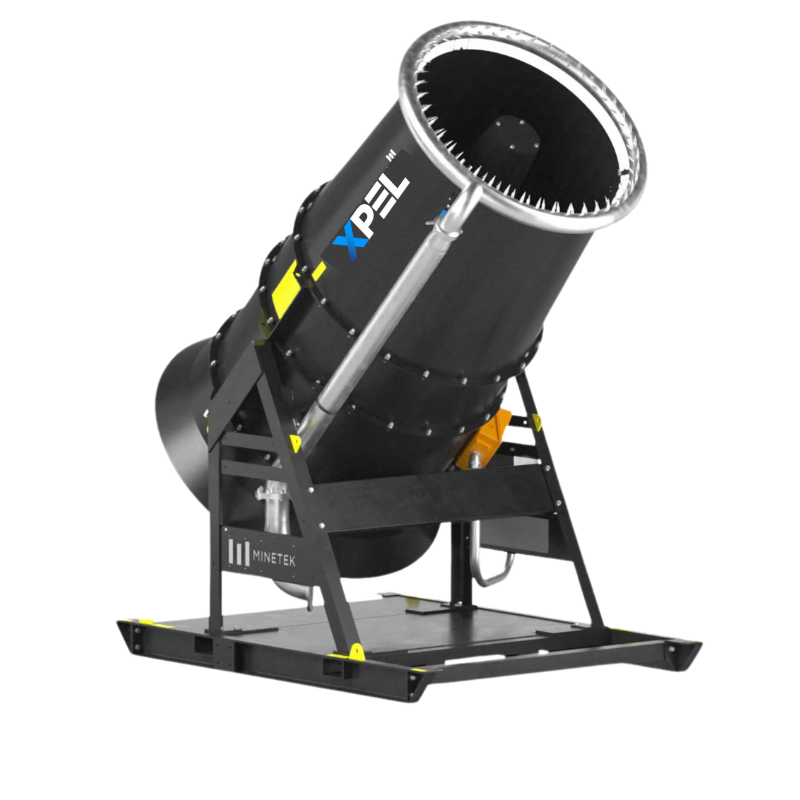
Land based
evaporators
Fully customisable and bespoke in design, our XPEL land based water evaporators are available in a range of sizes enabling operators to reduce the risks associated with excess water and ensure environmental compliance with a wide range of water processing capabilities.
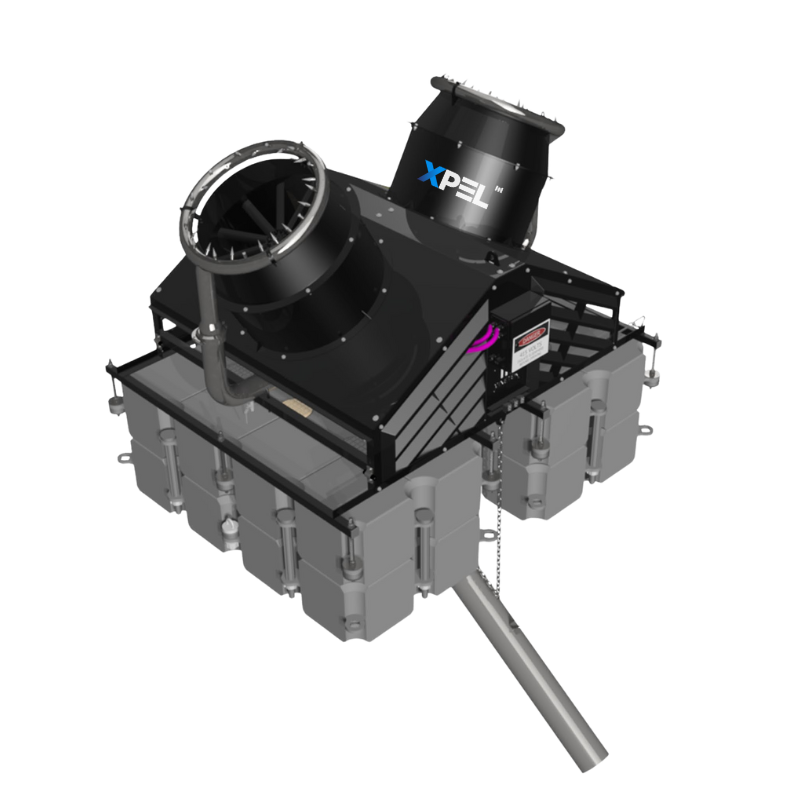
Pontoon
evaporators
When land based units aren’t an option, the XPEL Pontoon Series evaporator is a water management solution that can be relied on to help reduce the risk of excess water and ensure environmental compliance by reducing the volume of water stored on-site using mechanically enhanced evaporation.