

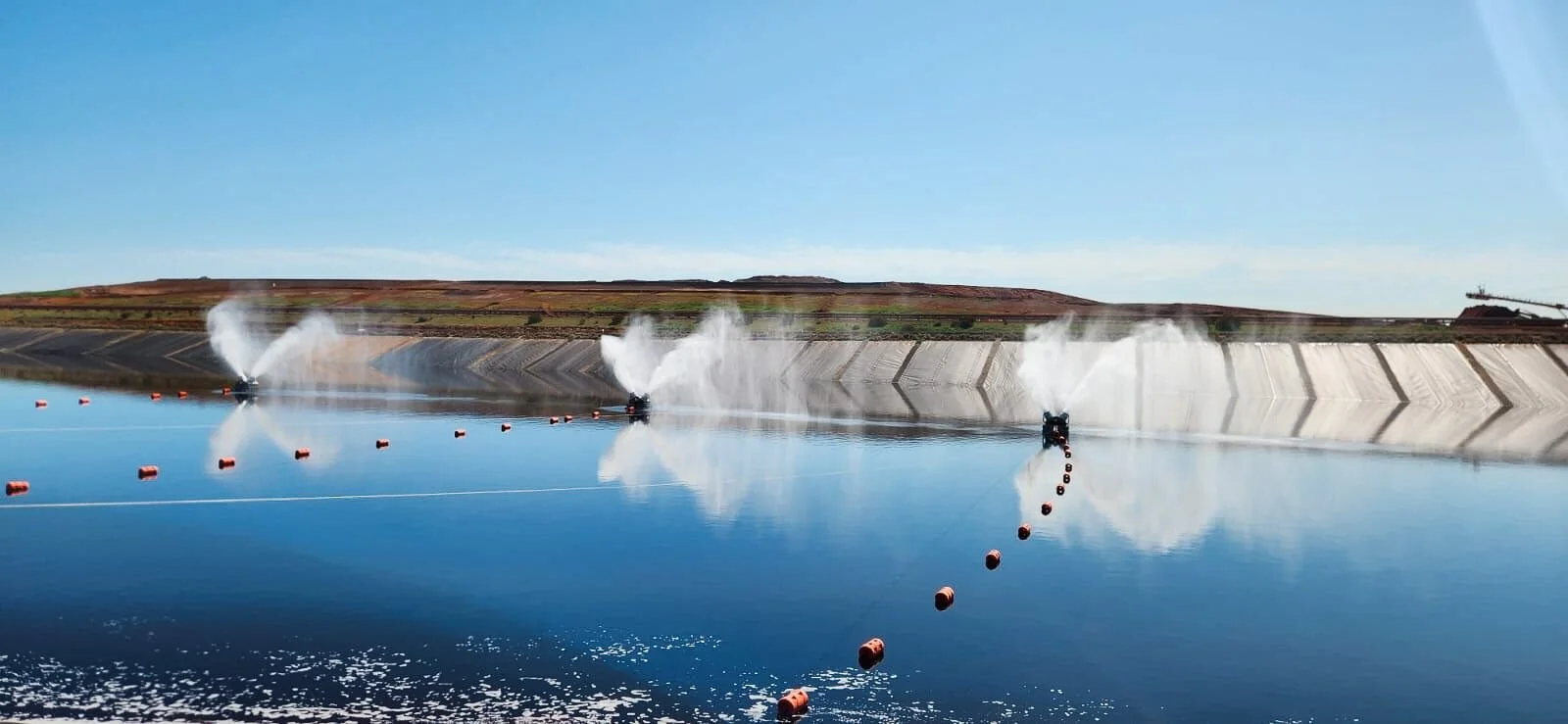
Hydraulic loading.
→ APPLICATIONS / HYDRAULIC LOADING
XPEL integrates engineered evaporation to actively manage hydraulic loading rate by removing excess water before it enters biological and treatment systems, protecting oxygen transfer, nutrient retention, and process stability under variable operating conditions.

HYDRAULIC LOADING RATE
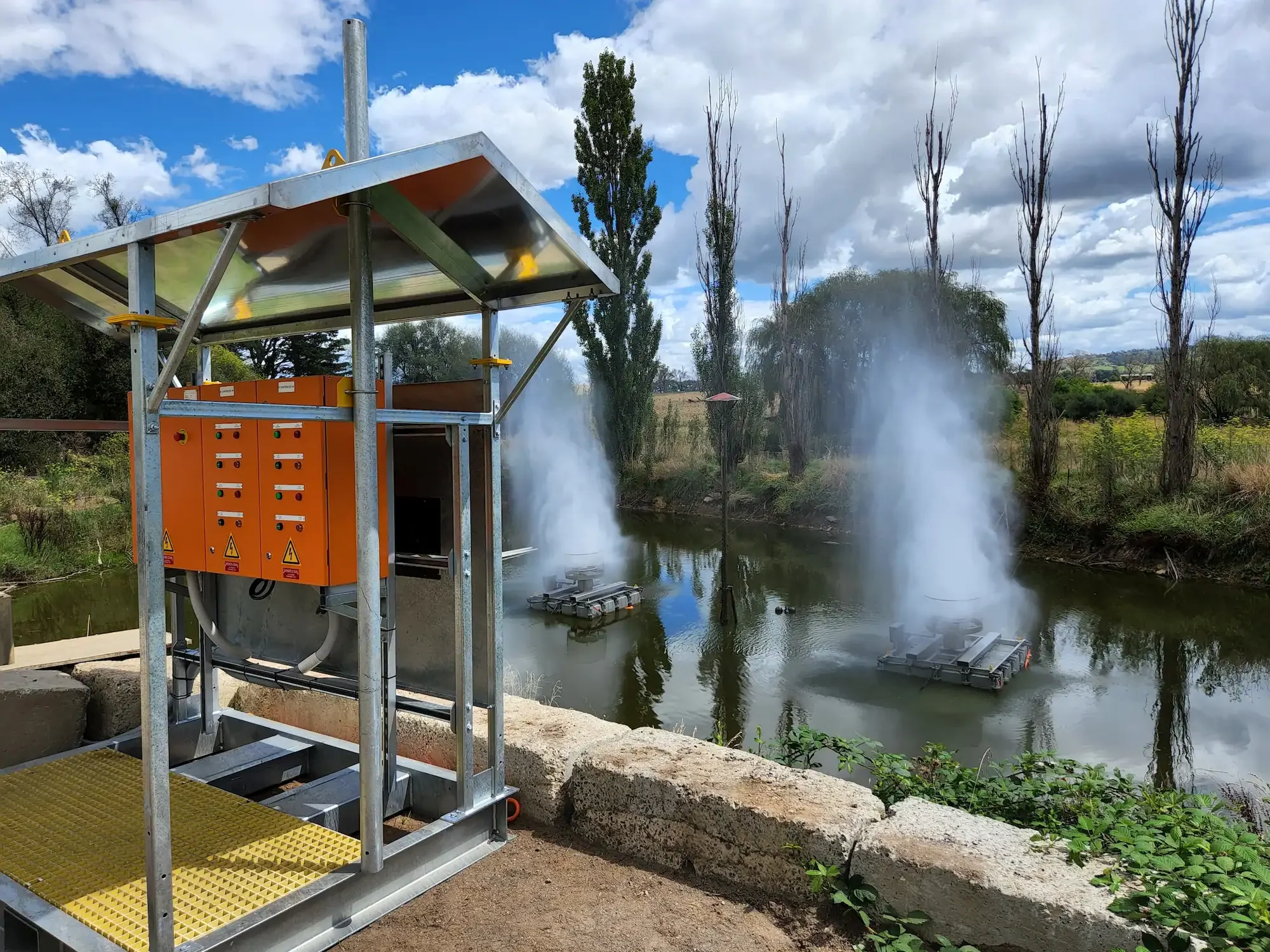
Hydraulic loading becomes a constraint when incoming water volumes exceed a system’s ability to manage flow within its intended hydraulic loading rate. Even minor deviations in hydraulic loading rate can disrupt oxygen transfer, nutrient balance, and overall system stability across engineered water and treatment systems.
When hydraulic loading rate is too high, water moves through the system faster than biological and physical processes can respond. Contact time is reduced, nutrients pass through without effective uptake, and oxygen transfer efficiency declines.
Low or unstable hydraulic loading creates a different challenge. Inconsistent flow limits nutrient delivery, impairs biological activity, and introduces performance uncertainty. Systems designed around specific loading rates lose predictability, making control and optimization more difficult.
XPEL mitigates hydraulic loading challenges by reducing excess water volume before it enters critical process and treatment systems. Through controlled evaporation, hydraulic loading rate is brought back within design limits, allowing oxygen transfer, nutrient uptake, and biological processes to stabilize.
By lowering total flow rather than altering system design, XPEL restores hydraulic balance without expanding land area, storage, or treatment assets. The result is improved operational control, higher efficiency, and greater resilience in systems exposed to variable inflows and water characteristics.
Hydraulic loading applications.
■
Hydraulic loading issues arise whenever water volumes fluctuate faster than the system can adapt. XPEL provides a direct way to manage this pressure by removing excess water upstream, stabilizing flow conditions before they impact process and treatment assets.
-
Water treatment systems rely on stable inflow to maintain clarifier performance, aeration efficiency, and filtration effectiveness. XPEL evaporation reduces excess influent volume, helping plants maintain consistent hydraulic conditions and protect treatment performance during peak or variable flows.
-
Municipal facilities must handle daily and seasonal flow surges without bypass events or overflows. XPEL lowers incoming water volume before it reaches critical infrastructure, easing hydraulic pressure on treatment trains and improving resilience during wet weather or peak demand periods.
-
Food processing operations generate wastewater with high organic loads that place combined hydraulic and biological stress on treatment systems. XPEL evaporation reduces total water volume entering digestion, filtration, or reuse circuits, supporting stable treatment conditions without increasing system footprint.
-
Pulp and paper processes generate large volumes of process water with variable contaminant profiles. XPEL helps control hydraulic load by removing excess water upstream, enabling treatment systems to operate within design limits and maintain effective pollutant removal.
-
Manufacturing facilities often face fluctuating wastewater flows tied to production cycles. XPEL evaporation smooths hydraulic inputs to treatment or reuse systems, improving operational stability and reducing the risk of overload during high-output periods.
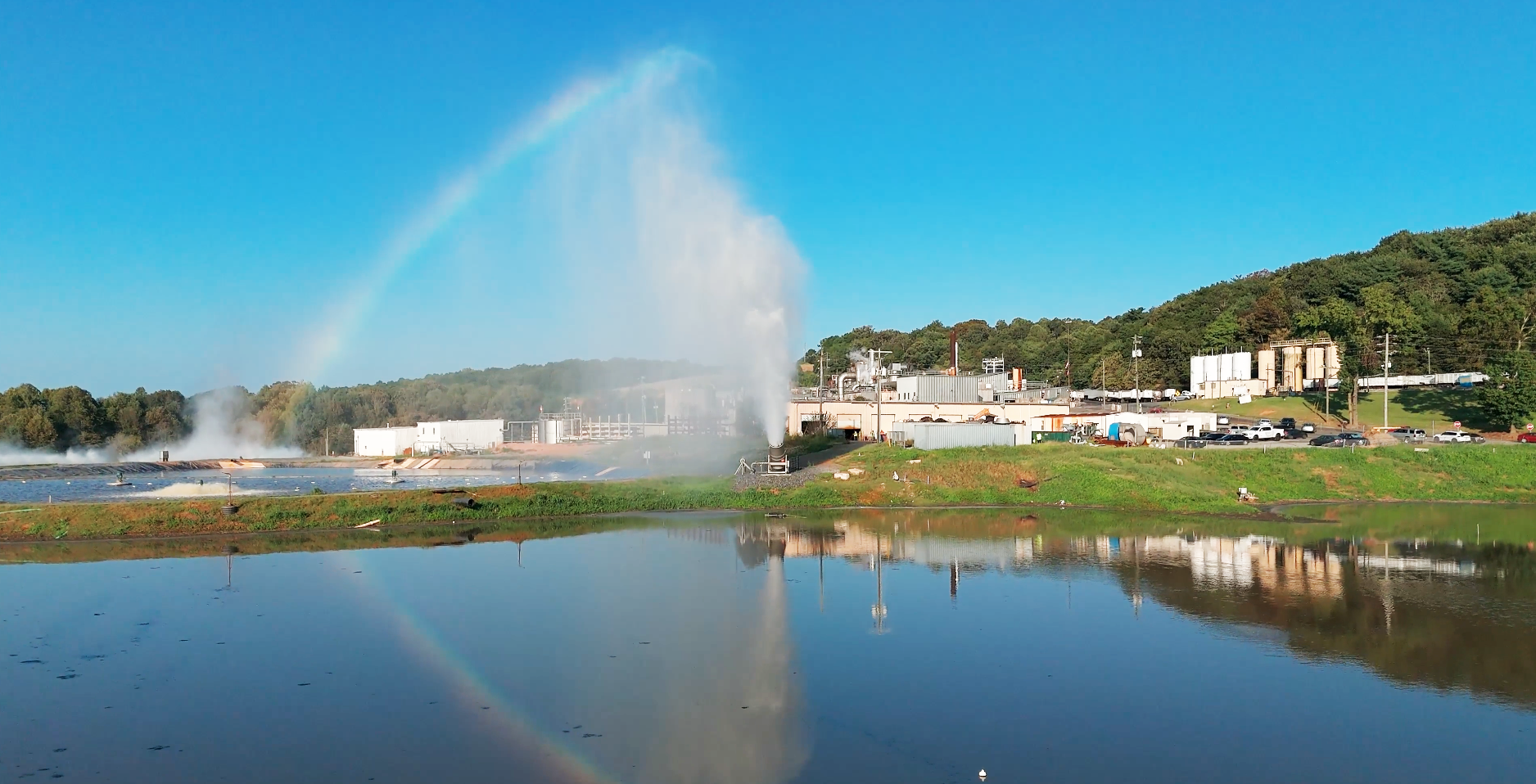
PRODUCTS
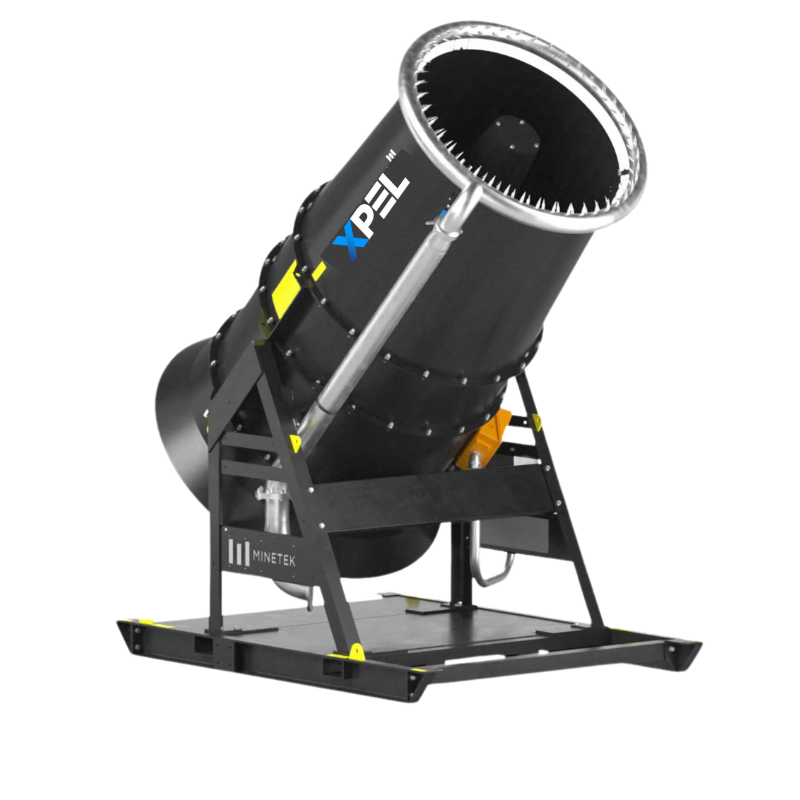
Land based
evaporators
Fully customisable and bespoke in design, our XPEL land based water evaporators are available in a range of sizes enabling operators to reduce the risks associated with excess water and ensure environmental compliance with a wide range of water processing capabilities.
Pontoon
evaporators
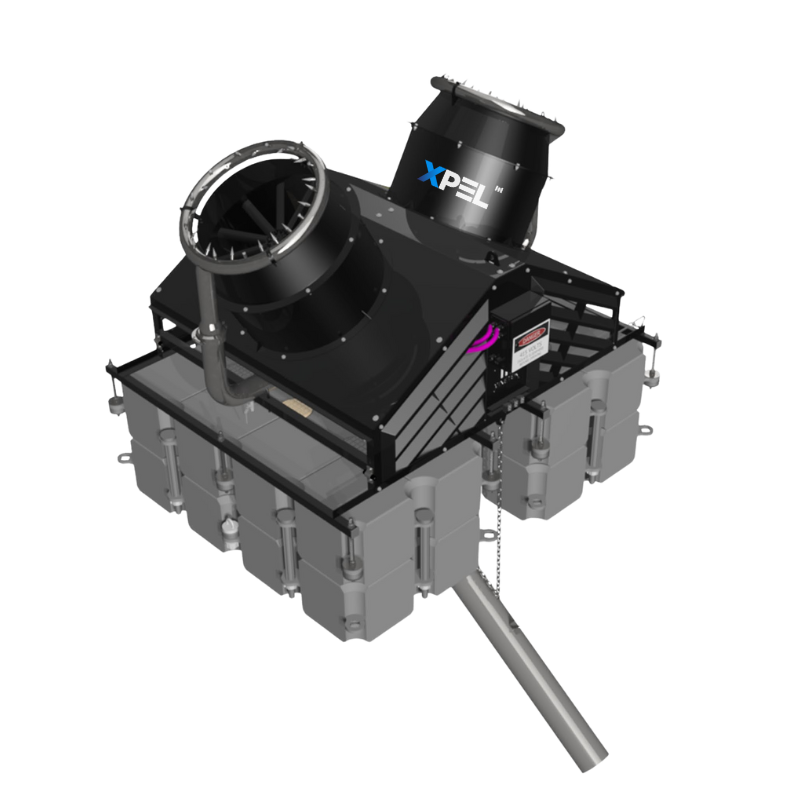
When land based units aren’t an option, the XPEL Pontoon Series evaporator is a water management solution that can be relied on to help reduce the risk of excess water and ensure environmental compliance by reducing the volume of water stored on-site using mechanically enhanced evaporation.