


LATEST SUCCESS STORIES
Explore our most recent water management case studies.
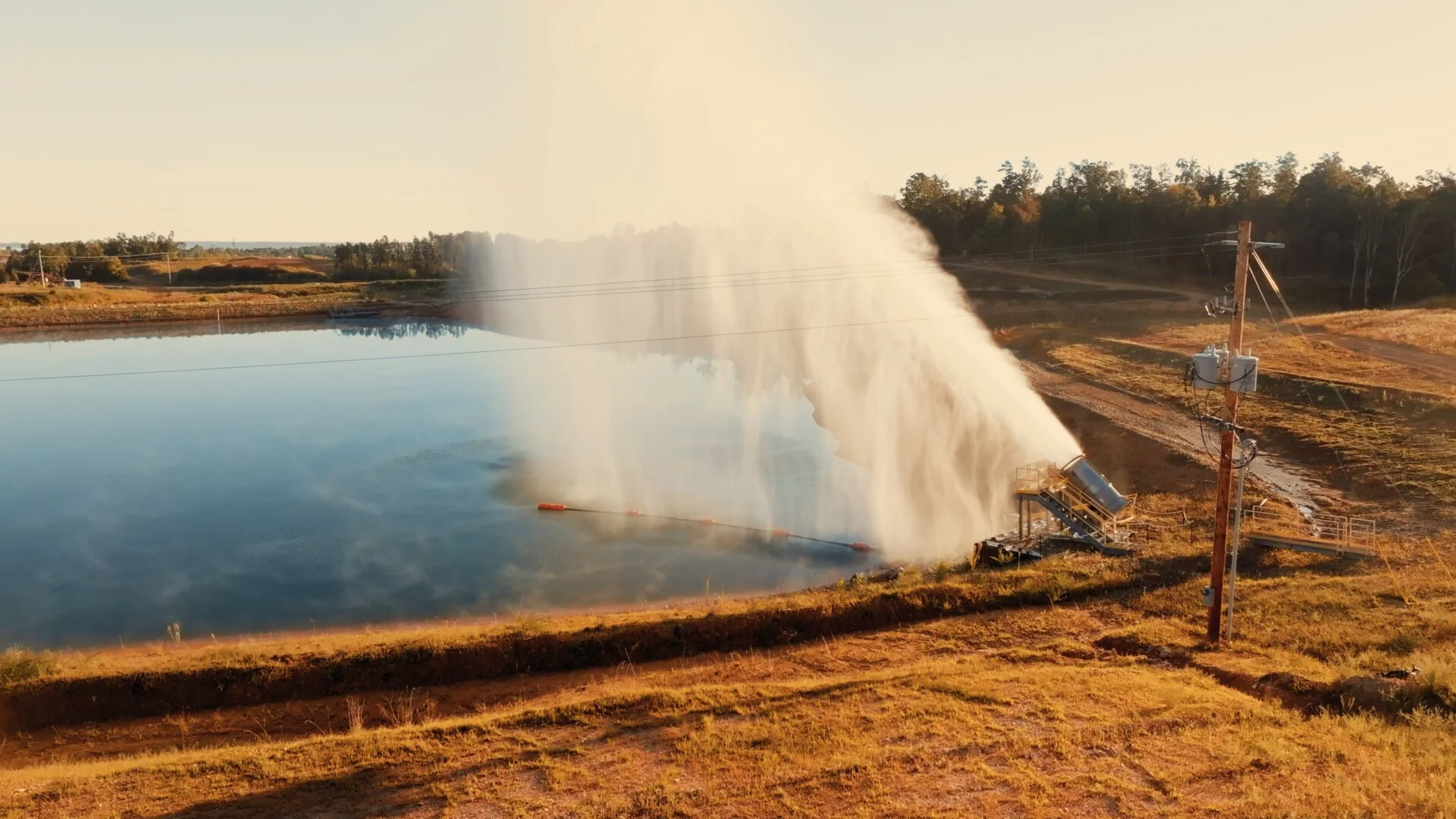
Missouri cobalt mine - case study
A cobalt operation in Missouri prepared to restart production while confronting rising stored water that threatened safe access, regulatory compliance and the reopening timeline. Without rapid reduction, the site risked delayed commissioning, constrained operating space and escalating environmental exposure.
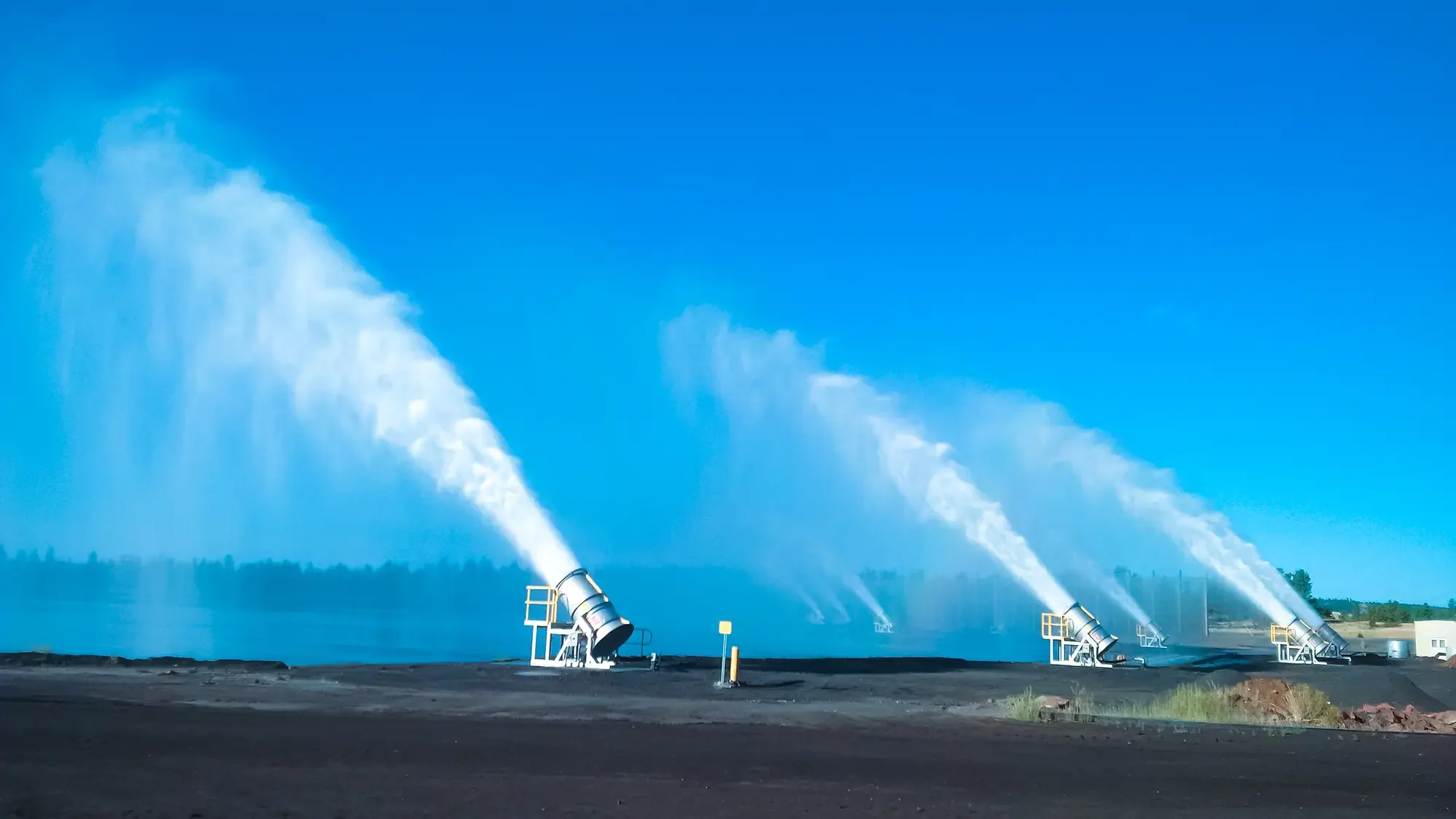
Montana power station - case study
Montana’s harsh winters leave the power station with only a narrow window to control rising brine wastewater, and storage levels were already approaching critical thresholds as freezing conditions neared. Without timely reduction, the site faced overtopping risk, regulatory exposure, increased safety hazards for onsite teams and a winter-long loss of operational flexibility.

Nunavut water treatment facility - case study
A facility accessible only by air in the Nunavut Territory of Canada needed a reliable way to manage rising water volumes across its sub-Arctic operations. Limited storage capacity for brine, combined with excess water generated by the site’s reverse osmosis plant, created immediate pressure on water balance control.
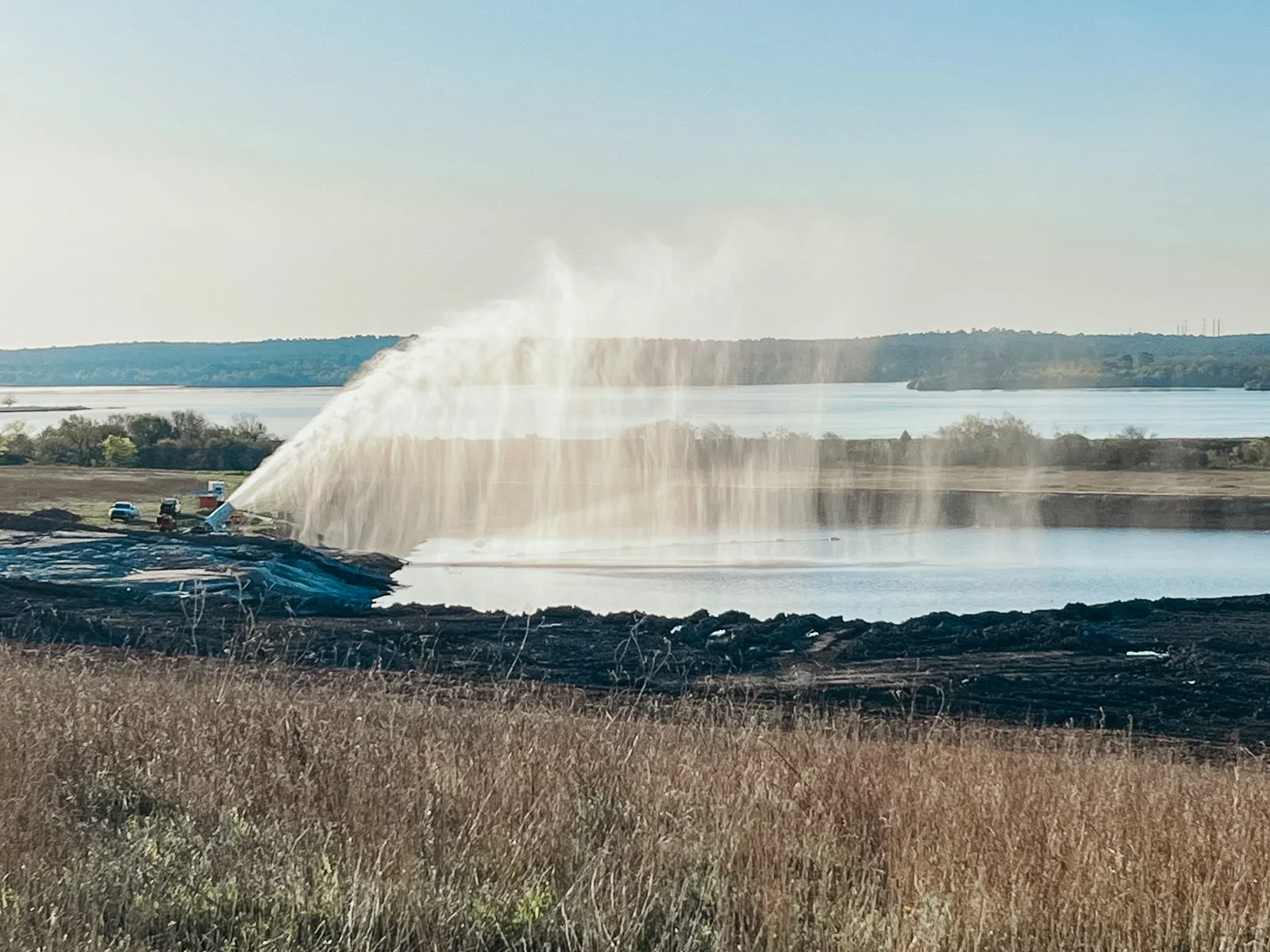
Texas power plant - case study
Rising water levels in the coal ash ponds placed pressure on safe operations and environmental compliance, driving the installation of a targeted XPEL evaporation system that strengthened water balance control throughout its seasonal operating conditions.
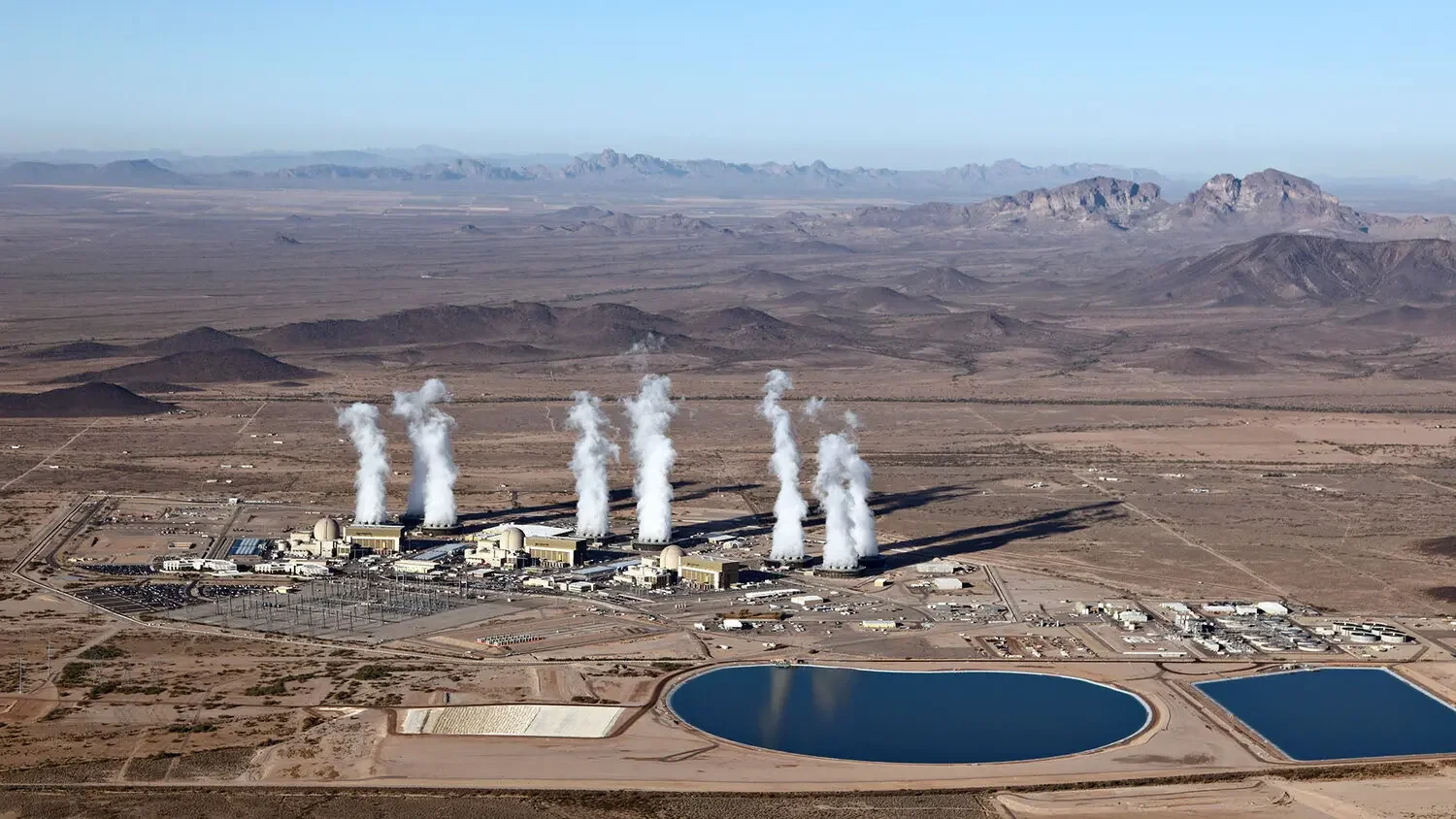
Arizona power station - case study
A power station in Arizona required an immediate water management solution to support continuous operation. A tight seven-week delivery window and shifting site demands drove the need for a fast, flexible evaporation system that XPEL supplied as a complete, integrated package.
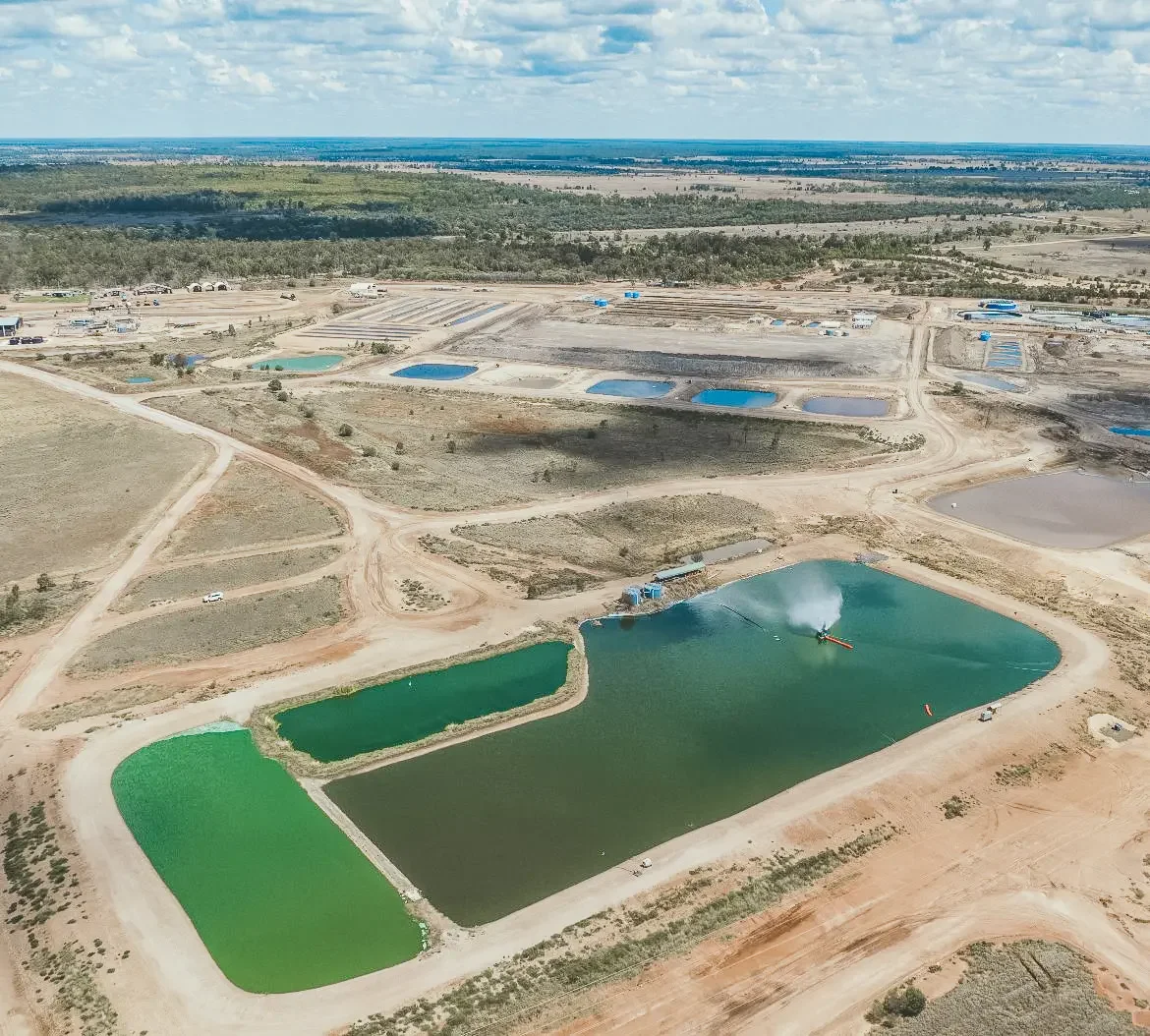
QLD waste processing - case study
A waste processing facility in Queensland faced rising wastewater and leachate volumes that intensified under the region’s high humidity, frequent rainfall and strict environmental controls. Without reliable reduction, the site risked overflow, regulatory breaches and escalating storage pressure during peak wet-season conditions.
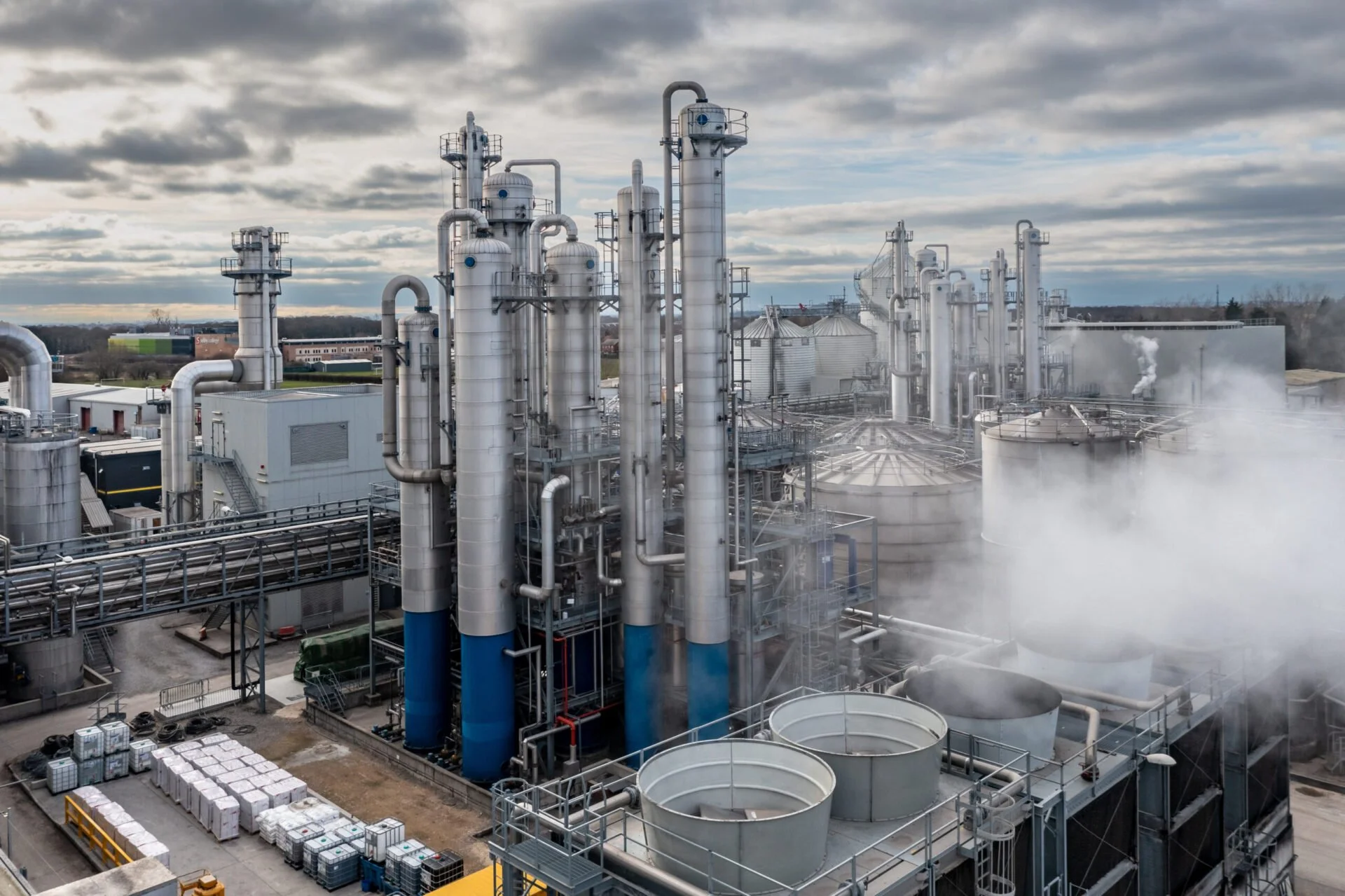
NSW food processing - case study
A food processing facility in New South Wales faced rising wastewater volumes that threatened to disrupt production, strain onsite storage and complicate compliance in a tightly regulated sector. Without controlled reduction, the site risked operational bottlenecks and increased disposal pressure during peak processing periods.
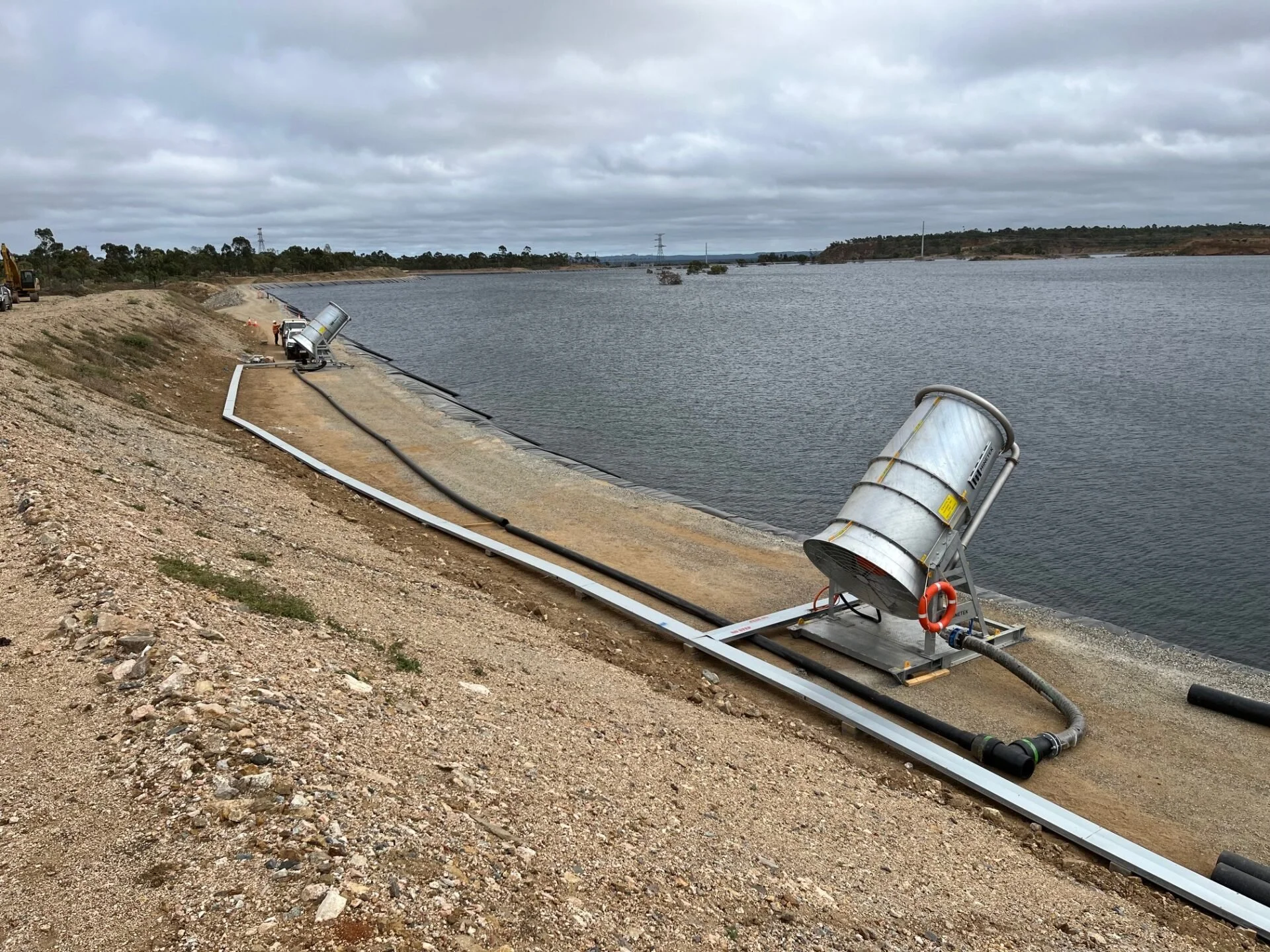
QLD hydro water power plant - case study
A former gold mine pit in Queensland, Australia held excess water that prevented a renewable energy provider from safely progressing its pumped-hydro development. The project relied on clear access to underground workings, yet rising pit levels restricted entry, constrained construction sequencing and delayed the transition of the site into a functional energy-storage asset
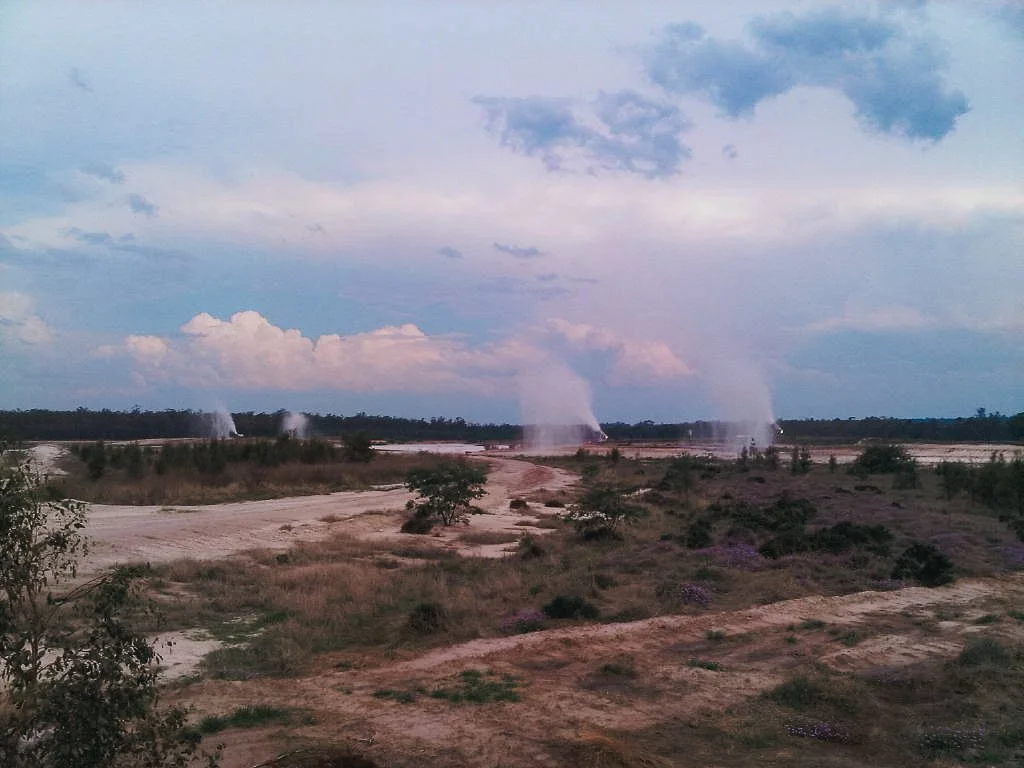
QLD coal-fired power plant - case study.
Coal ash ponds at a Queensland power generation facility were accumulating water faster than the site could safely manage, driven by runoff, process water and limited storage flexibility. As levels continued to rise, the ponds approached thresholds that threatened embankment integrity, regulatory compliance and day-to-day operational reliability.
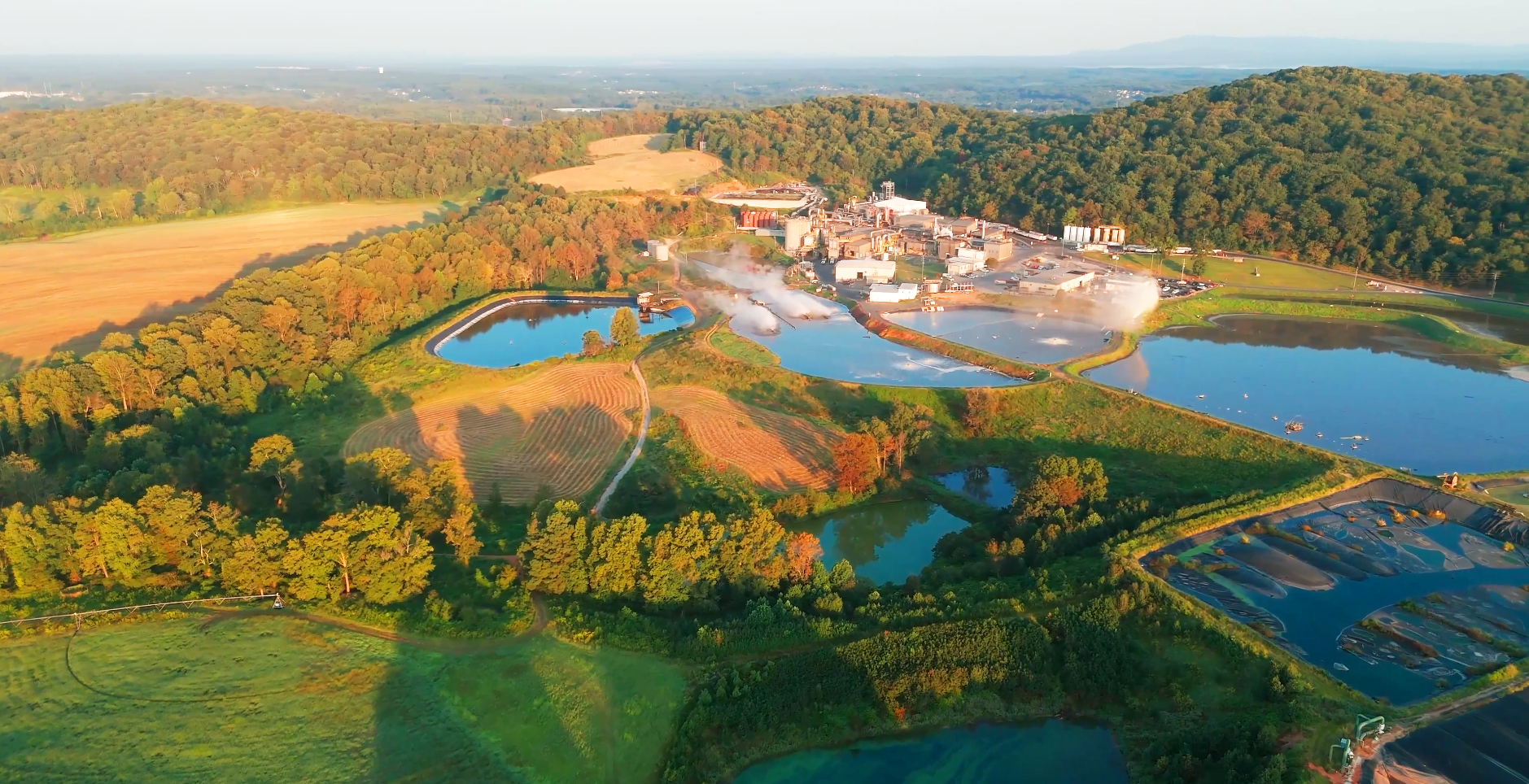
Georgia food processing - case study
Without a reliable water management solution, the facility faced challenges in maintaining safe water levels and adhering to stringent environmental standards, which could impact both productivity and regulatory compliance.
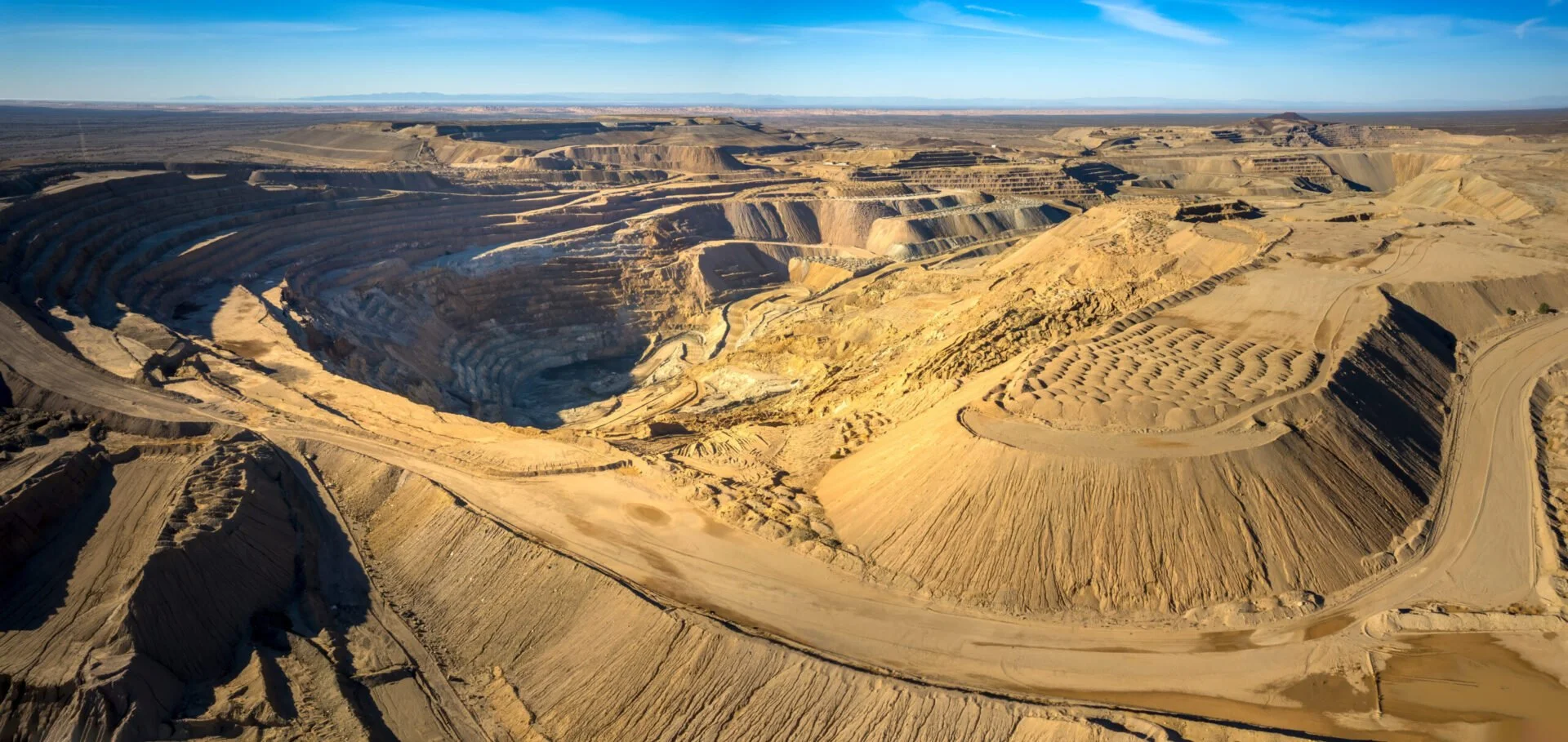
Mexico gold mine - case study
Excess wastewater at a gold mine in Guerrero, Mexico pushed storage areas toward capacity limits, increased the likelihood of environmental incidents, and placed strain on safe daily operations.

WA nickel mine - case study
Without effective water control, the tailings dam faced escalating pressure that could undermine safe operations and disrupt long-term planning at a Western Australia nickel mine.