

Nunavut water treatment facility - case study
High-performance water management system for a Nunavut water treatment facility.
A water treatment facility in a Nunavut, Canada mine required a reliable way to manage rising volumes of brine and treated water produced by its Reverse Osmosis (RO) plant. The remote, sub-Arctic location offered limited storage capacity and no practical transport routes for excess water. XPEL supplied a turn-key package of five stainless steel mechanical evaporators engineered to integrate with the facility’s existing treatment infrastructure.

XPEL deployed a five-unit stainless steel mechanical evaporation system with a total processing capacity of 2,000 GPM (450 m³/hour). Brine storage approached critical limits as the RO plant generated continuous discharge, increasing pressure on water balance control. Aligned with the facility’s brine-reduction objectives, the system operated at an evaporation efficiency of approximately 30%. Under ideal wind and relative humidity conditions, this delivered an evaporation rate of 600 GPM (136 m³/hour), or up to 864,000 gallons per day. This performance strengthened the facility’s ability to manage brine, stabilize storage levels, and maintain compliant treatment output in a challenging climate.
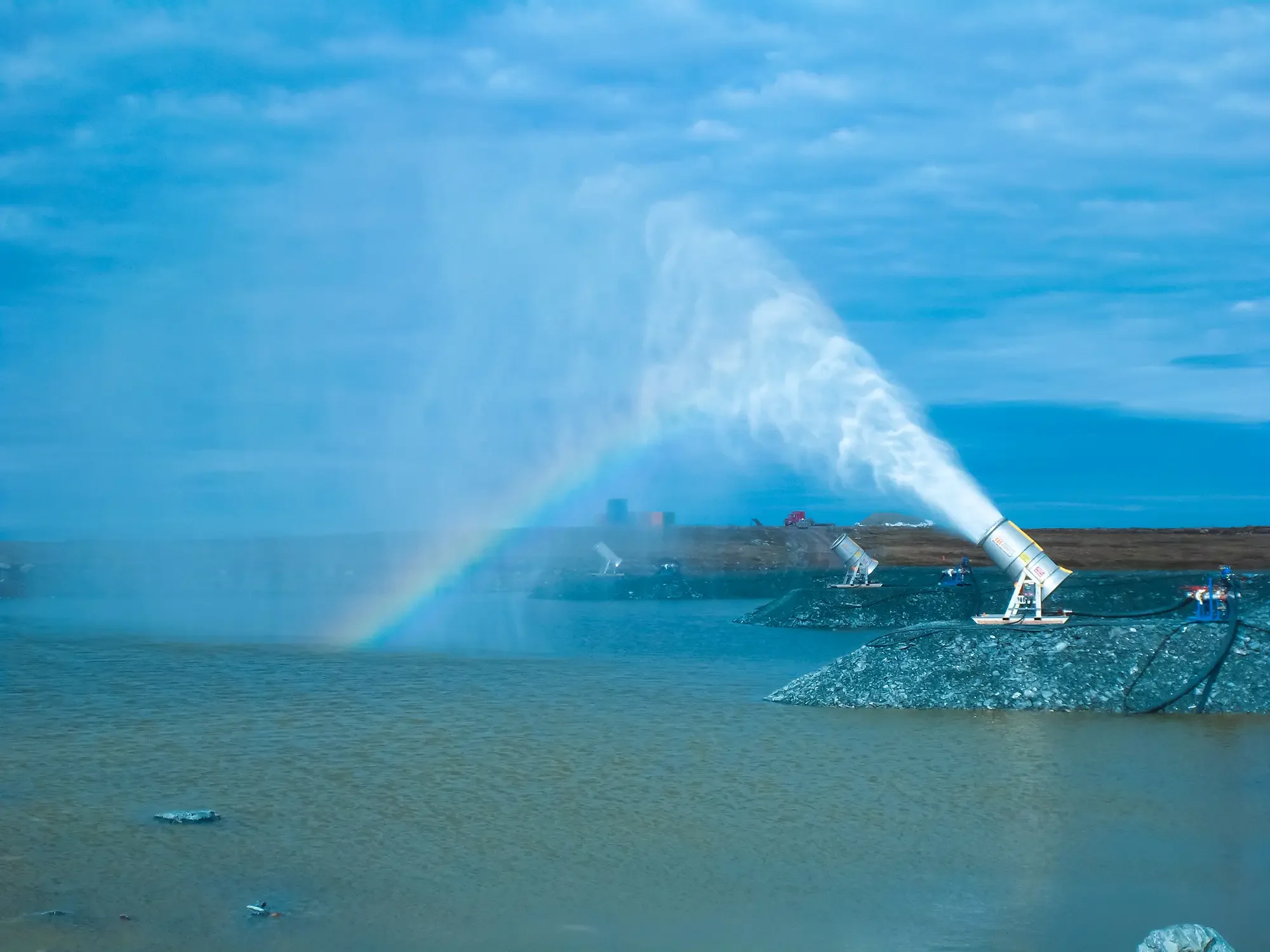
Advanced water evaporation system for water treatment facilities by XPEL.
Water treatment facilities in cold regions operate under strict environmental and logistical constraints. Limited storage, brine accumulation from RO processes, and the absence of viable transport pathways drive the need for dependable, on-site water reduction. Mechanical evaporation provides a practical solution, allowing facilities to reduce stored volumes and maintain continuous treatment performance despite seasonal or operational fluctuations.
In this Nunavut project, XPEL processed 864,000 gallons per day through sustained 24-hour operation. The five-unit system provided the capacity required to offset brine inflows and support year-round operation. The high-volume output, achievable under favorable weather conditions, reduced pressure on storage infrastructure and minimized reliance on costly or impractical off-site disposal methods.
Engineered reliability delivered by XPEL.
Built for extreme climates: The stainless steel evaporators were engineered for consistent performance in sub-Arctic conditions, ensuring stable operation as temperatures and seasonal weather shifted.
High-volume reduction capability: The five-unit system delivered meaningful brine reduction, with potential peak evaporation of 864,000 gallons per day when ideal wind and humidity conditions aligned. This supported safer, more predictable storage management.
Sustained operational continuity: By lowering stored wastewater at scale, the system helped the facility maintain continuous RO treatment output and strengthen long-term environmental performance.
Get a site-specific evaporation efficiency analysis.
XPEL provides custom evaporation modeling tailored to climate, storage constraints, and RO discharge profiles. This analysis clarifies achievable water reduction, compliance readiness, and operational gains for facilities facing rising brine or limited storage capacity.
Take the next step: Contact XPEL today to request a complimentary site-specific evaporation efficiency analysis and improve water management performance in demanding environments.
Related products.
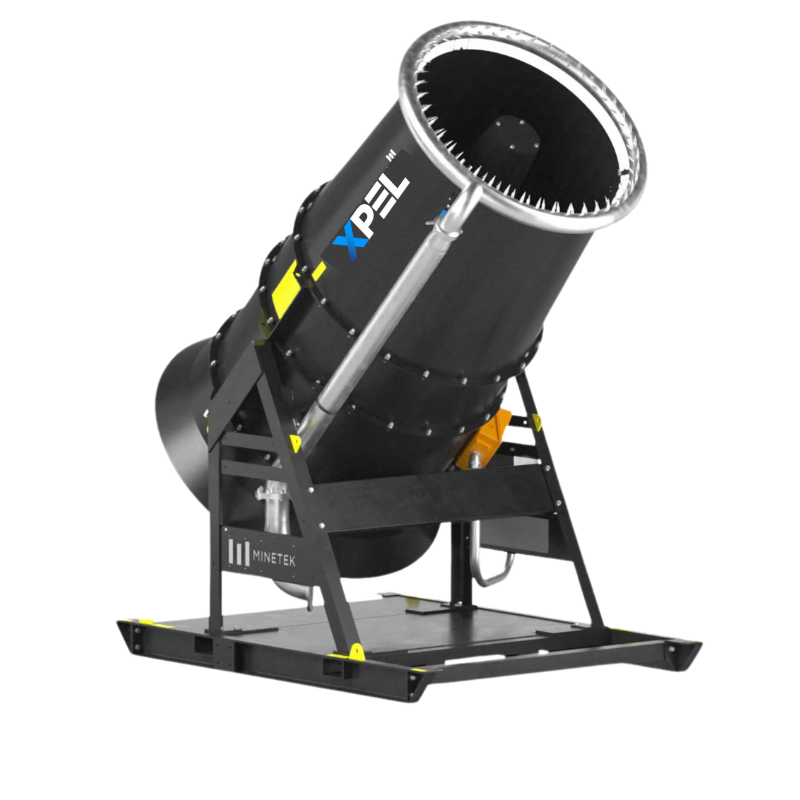
Land-Based Evaporator
Fully customisable and bespoke in design, our land based water evaporators are available in a range of sizes enabling operators to reduce the risks associated with excess water and ensure environmental compliance with a wide range of water processing capabilities.