

QLD hydro water power plant - case study
Turn-key evaporation system for a QLD hydro power project.
A renewable energy provider in Kidston, Queensland, Australia, needed a rapid way to remove significant water volumes from a former gold mine pit. Access to underground workings was essential for the development of a new pumped hydro project, and accumulated water threatened timelines, costs, and compliance. XPEL delivered four land-based evaporation systems with an integrated Environmental Management System (EMS) to support fast, controlled water reduction.
The system processed a combined 2,400 GPM (540 m³/hour) across four units and delivered evaporation efficiencies of 45% at night and 52% during the day. This performance accelerated water drawdown and reduced risks associated with storage pressure and regulatory requirements. The solution strengthened project continuity, supported environmental compliance, and enabled safe access for ongoing hydropower development.
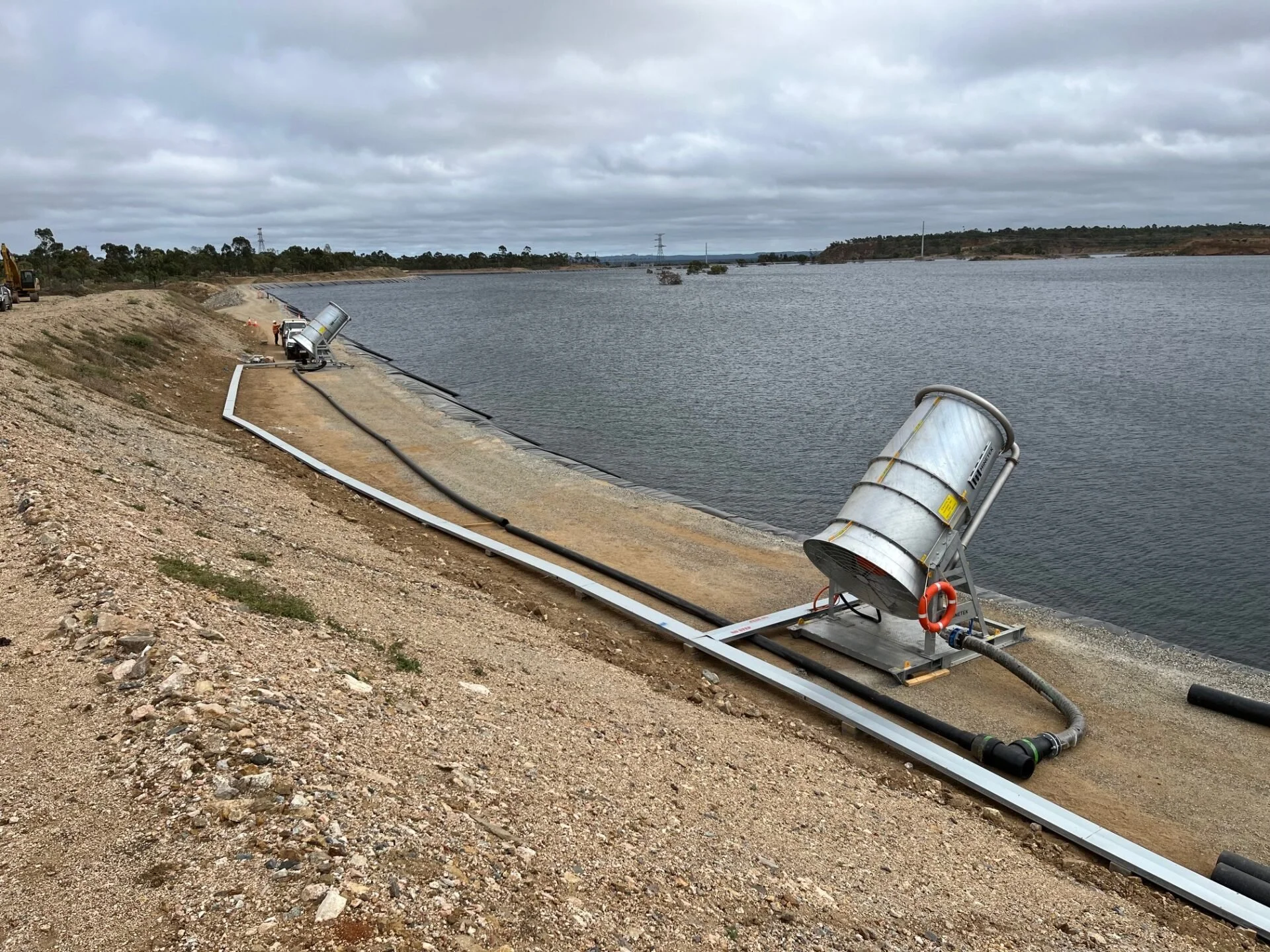
Advanced water evaporation system for hydro power generation by XPEL.
This pumped storage water project generates, stores, and dispatches renewable energy on demand during peak periods and is the first hydro water power plant project to utilise an abandoned gold mine. The development required precise water control to access underground workings and maintain safe project conditions. The former mine pit held substantial volumes, and inflow variability created pressure on timelines, construction activity, and regulatory requirements. XPEL’s mechanical evaporation system provided a practical way to reduce stored water quickly and stabilize conditions needed for continued project progress.
Four XPEL evaporation units processed 2,400 GPM of excess water. With strong daytime and nighttime efficiencies, the system helped the operator regain access to critical areas and maintain momentum throughout the hydropower development cycle.
Engineered reliability delivered by XPEL.
High-capacity water reduction: The four land-based systems delivered substantial throughput across a large pit area. This capacity supported rapid volume reduction aligned with strict hydropower construction timelines.
Integrated environmental management: The Environmental Management System (EMS) provided real-time oversight and automated performance control. These tools helped the operator maintain compliance and optimize evaporation across changing conditions.
Support for project continuity: Reliable evaporation accelerated safe access to essential underground infrastructure. This stability helped the project stay on schedule and reduced environmental risk.
Get a site-specific evaporation efficiency analysis.
XPEL offers custom evaporation efficiency modeling to hydropower inflows, pit storage conditions, climate patterns, and construction or operational timelines. The analysis defines achievable water reduction, assesses compliance and infrastructure readiness, and outlines long-term performance gains for pumped-hydro and renewable energy projects.
Take the next step: Contact XPEL today to request a complimentary site-specific evaporation analysis and strengthen water management across your hydro project.

Related products.
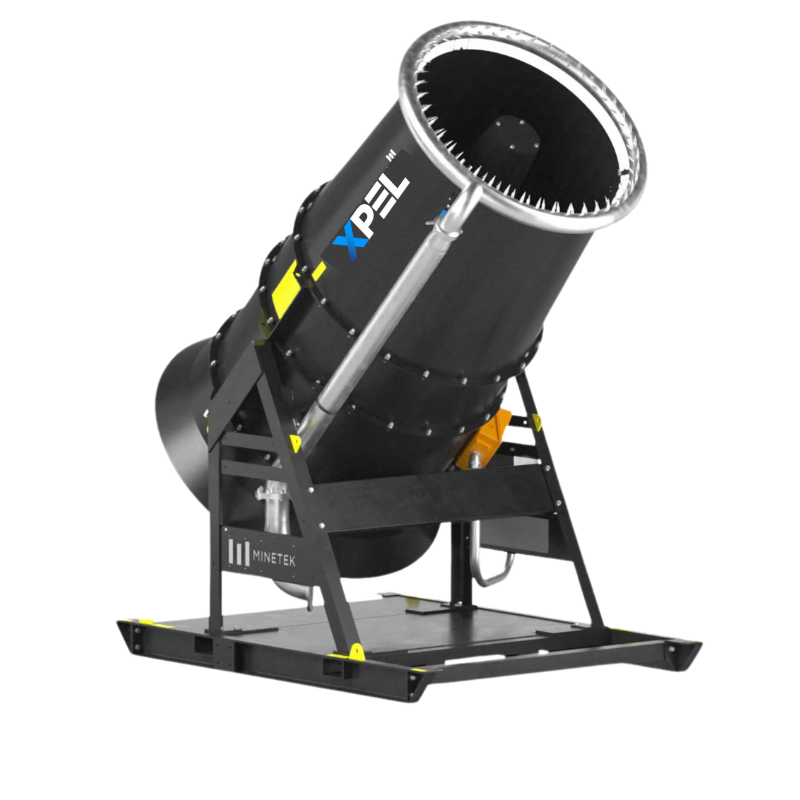
Land-Based Evaporator
Fully customisable and bespoke in design, our land based water evaporators are available in a range of sizes enabling operators to reduce the risks associated with excess water and ensure environmental compliance with a wide range of water processing capabilities.