

Montana power station - case study
High-capacity brine management system for a Montana power station.
A coal-fired power station in Montana, USA needed a reliable way to manage large volumes of brine wastewater within a short operational window. The site could run evaporation equipment only from May to October due to extreme winter conditions. The client required a system capable of removing significant volumes each day while meeting the tight seasonal schedule.

XPEL delivered 10 stainless steel mechanical evaporators, engineered to operate 12-24 hours per day and built to deliver stable output across the six-month treatment cycle. The evaporation units were supported by a heavy-duty, fully automated, pumping system integrated into the power plant’s operating system. The evaporators processed up to 4,000 GPM (900 m³/hour). When operated continuously, the package delivered more than 2.9 million gallons of brine evaporation per day. This capacity strengthened water balance control, reduced dependence on costly disposal options, and helped the station maintain compliant performance within its limited May-October operating season.
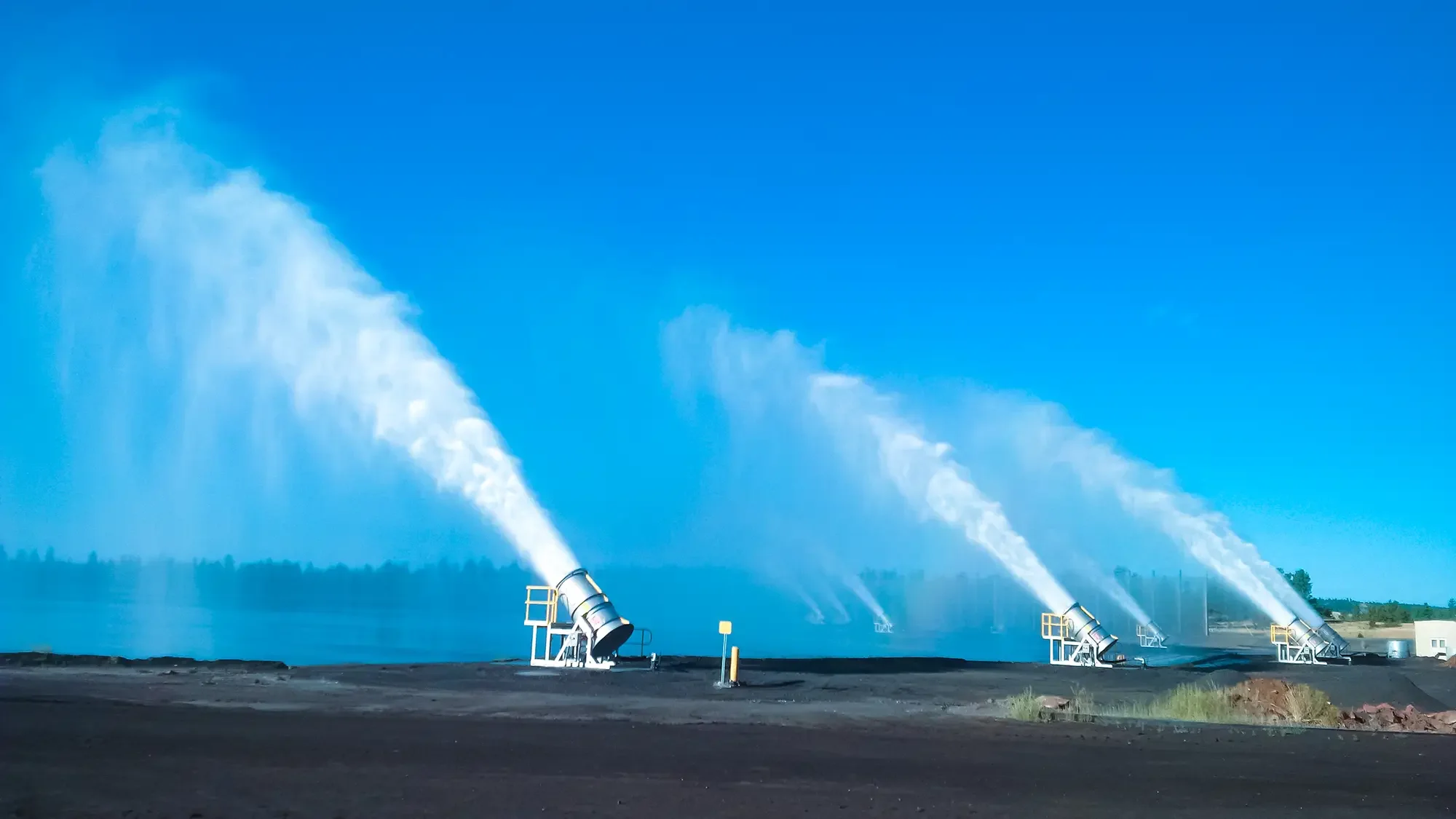
Advanced water evaporation system for power generation by XPEL.
Power stations operate under strict environmental and operational constraints. Wastewater volumes rise quickly, especially where brine or high-salinity water requires controlled disposal. Seasonal climate limits can compress treatment windows and increase pressure to reduce water efficiently. High-capacity mechanical evaporation provides a dependable, on-site method to lower stored brine, support compliance, and maintain operational continuity.
In this Montana project, 10 XPEL evaporation units processed more than 2.9 million gallons of brine per day during the defined treatment season. This scale of reduction is critical for power plants managing concentrated wastewater streams under seasonal limitations. Comparable facilities facing similar constraints can achieve stronger stability and lower disposal reliance through high-volume evaporation.
Engineered reliability delivered by XPEL.
Heavy-duty, climate-ready design: The stainless steel evaporators were built to withstand Montana’s seasonal shifts, providing durable and consistent performance throughout the operating window.
Peak-volume brine reduction: The system processed brine at 4,000 GPM (900 m³/hr), able to handle more than 2.9 million gallons/day of evaporation when operated at full capacity.
Seasonal flexibility and compliance support: High throughput within the allowed May–October period enabled the plant to meet wastewater obligations while managing costs and maintaining compliance.
Get a site-specific evaporation efficiency analysis.
XPEL offers custom evaporation efficiency modeling based on seasonal run times, brine characteristics, and climate conditions. This analysis forecasts achievable water reduction, compliance pathways, and long-term operational gains for power generation sites.
Take the next step: Contact XPEL today to request a complimentary site-specific evaporation efficiency analysis and build a more resilient water management strategy for your facility.
Related products.
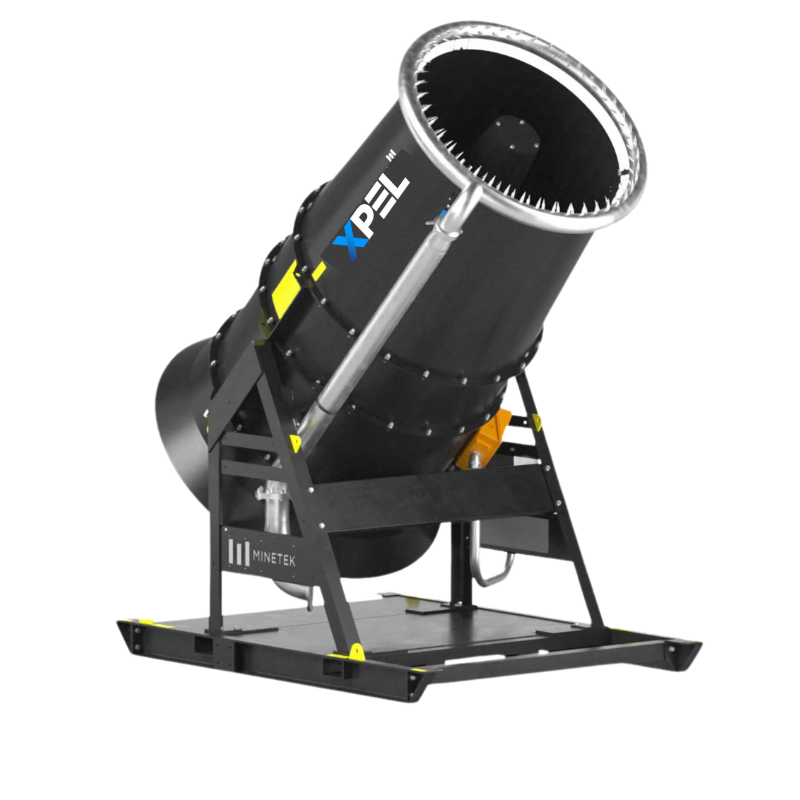
Land-Based Evaporator
Fully customisable and bespoke in design, our land based water evaporators are available in a range of sizes enabling operators to reduce the risks associated with excess water and ensure environmental compliance with a wide range of water processing capabilities.