

Texas power plant - case study
Efficient coal ash pond dewatering system for a Texas power plant.
XPEL collaborated with a power plant in Texas, USA, that faced rising water levels in its coal ash ponds. Accumulated water increased environmental risk and threatened operational stability. The client needed a reliable solution to stabilize pond levels while preserving continuous power generation. The mechanical-evaporation package was built around two high-capacity stainless-steel evaporators, designed to dewater ponds with consistent performance across the site.
The system delivered a combined throughput of 1,200 GPM (270 m³/hour). By consistently operating the two high-capacity evaporation units, the plant achieved sustained volume reduction, keeping pond levels within safe operating limits. This output helped ensure reliable plant operation, reduced the risk of delays, and strengthened long-term water-management performance.
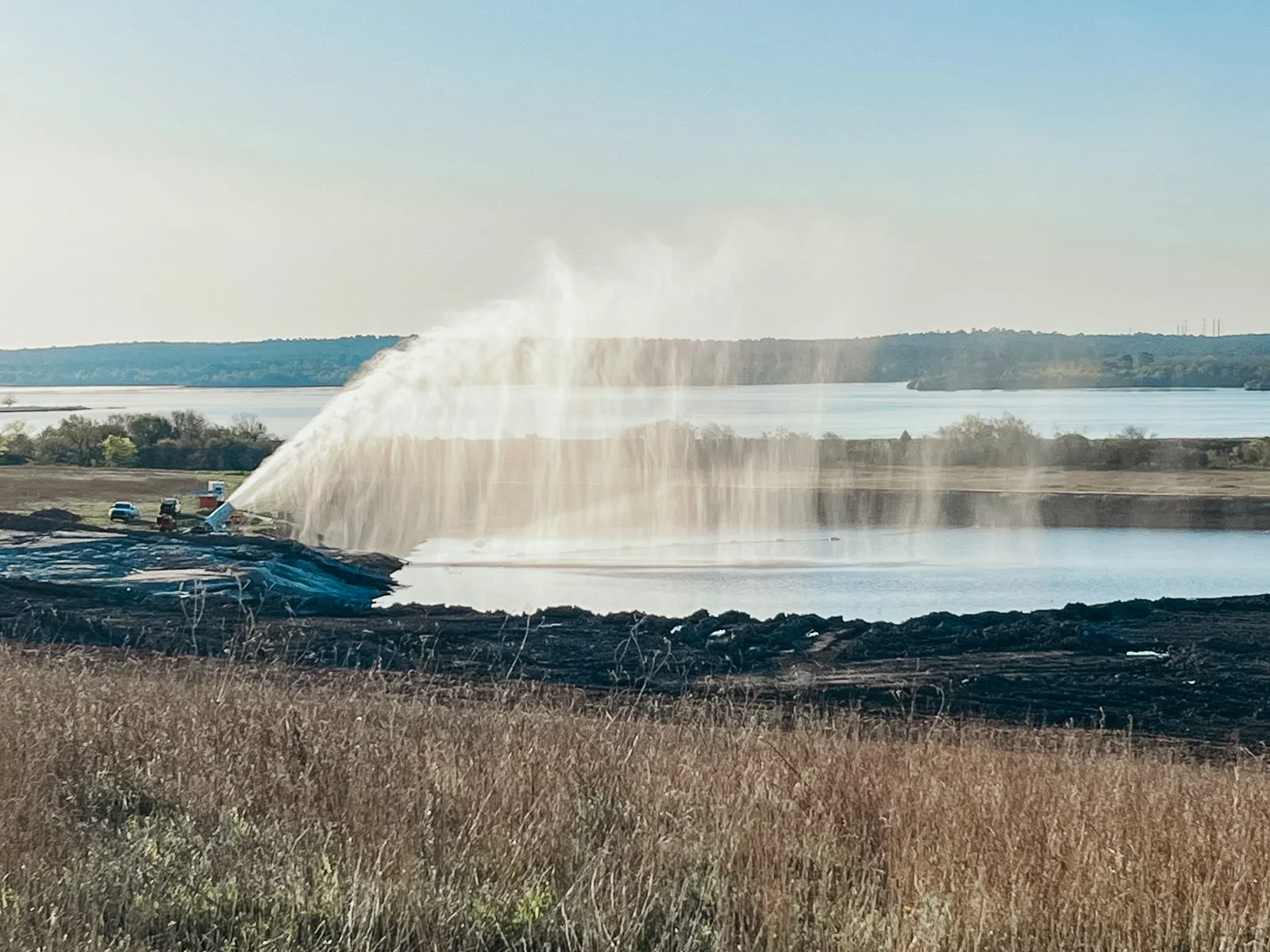
Advanced water evaporation system for power generation by XPEL.
Coal ash ponds at power generation facilities present ongoing water-management challenges, especially when discharge volume grows and environmental compliance is non-negotiable. XPEL evaporation system offers a low-impact, on-site method to reduce pond water quickly, without interrupting power generation or relying on complex disposal pathways.
At this Texas coal-fired power plant, two XPEL evaporators consistently removed pond water at 1,200 GPM (270 m³/hour). This capability gave the plant dependable dewatering performance. Facilities facing operational delays, increased costs, and potential breaches of environmental standards due to rising coal ash pond water levels or heightened regulatory pressure can achieve similar operational stability through targeted mechanical evaporation.
Engineered reliability delivered by XPEL.
High-volume dewatering: The two XPEL evaporation systems processed 1,200 gallons of wastewater per minute, supporting the site's dewatering requirements.
Operational stability under pressure: The evaporators maintained steady output in demanding conditions, helping the power plant avoid delays and continue generation without disruption.
Compliance-focused water control: By reducing stored water volumes, the system supported compliance with environmental standards and lowered reliance on costly or labor-intensive disposal options.
Get a site-specific evaporation efficiency analysis.
XPEL offers tailored evaporation efficiency modeling based on your facility’s pond volume, treatment window, and discharge characteristics. This analysis projects achievable water reduction, compliance readiness, and operational savings through mechanical evaporation.
Take the next step: Contact XPEL today to request a complimentary site-specific evaporation analysis and strengthen your ash-pond water management strategy.

Related products.
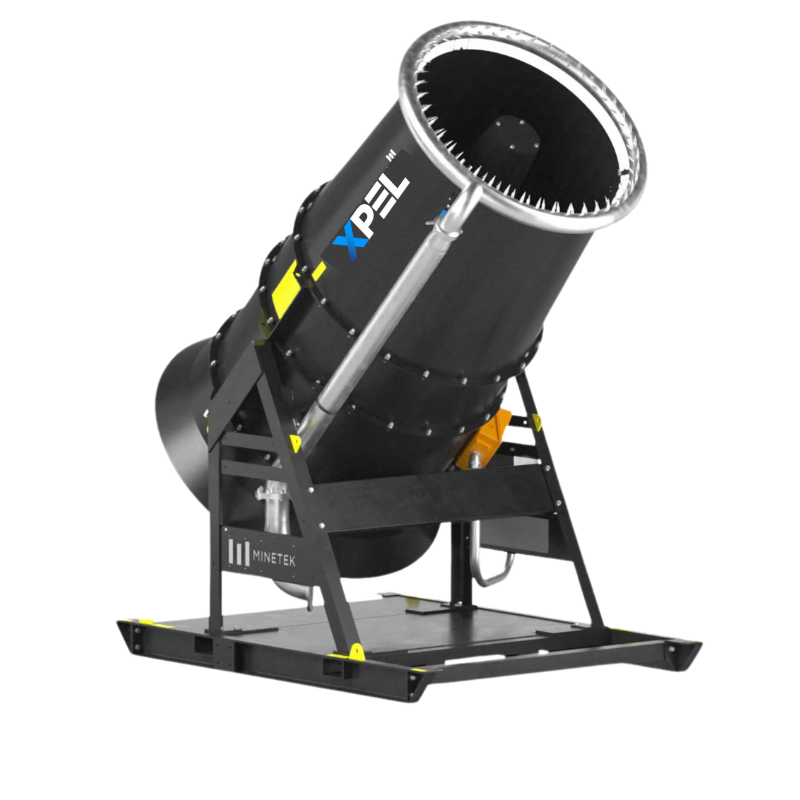
Land-Based Evaporator
Fully customisable and bespoke in design, our land based water evaporators are available in a range of sizes enabling operators to reduce the risks associated with excess water and ensure environmental compliance with a wide range of water processing capabilities.