

How digitization improves mine water management.
Digitization improves mine water management by turning weather and flow data into real-time control of evaporation. XPEL Water evaporators already run this way, so the biggest remaining gain sits in connecting the data water systems already collect.
Key takeaways: Digitization in mine water management
Real-time control: XPEL evaporators adjust to live weather and flow data.
Digitization versus automation: Digitization turns a process into data. Automation acts on that data without a person in the loop.
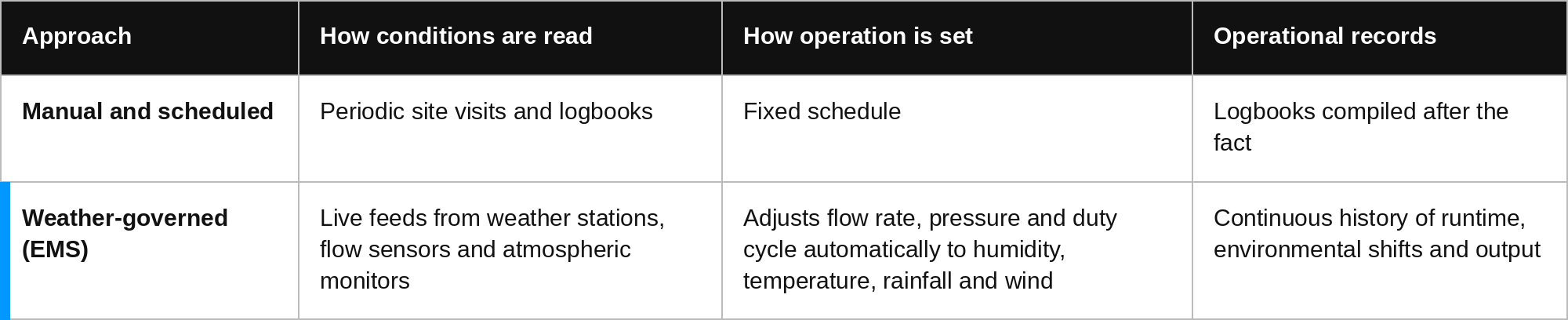
Weather-governed operation: The Environmental Management System (EMS) adjusts evaporators to wind, humidity, temperature and rainfall instead of a fixed schedule.
Proven technology: Patented Mechanically Enhanced Evaporation (MEE) runs across 600+ projects in 30+ countries.
Next gain: Connecting water data across site systems.
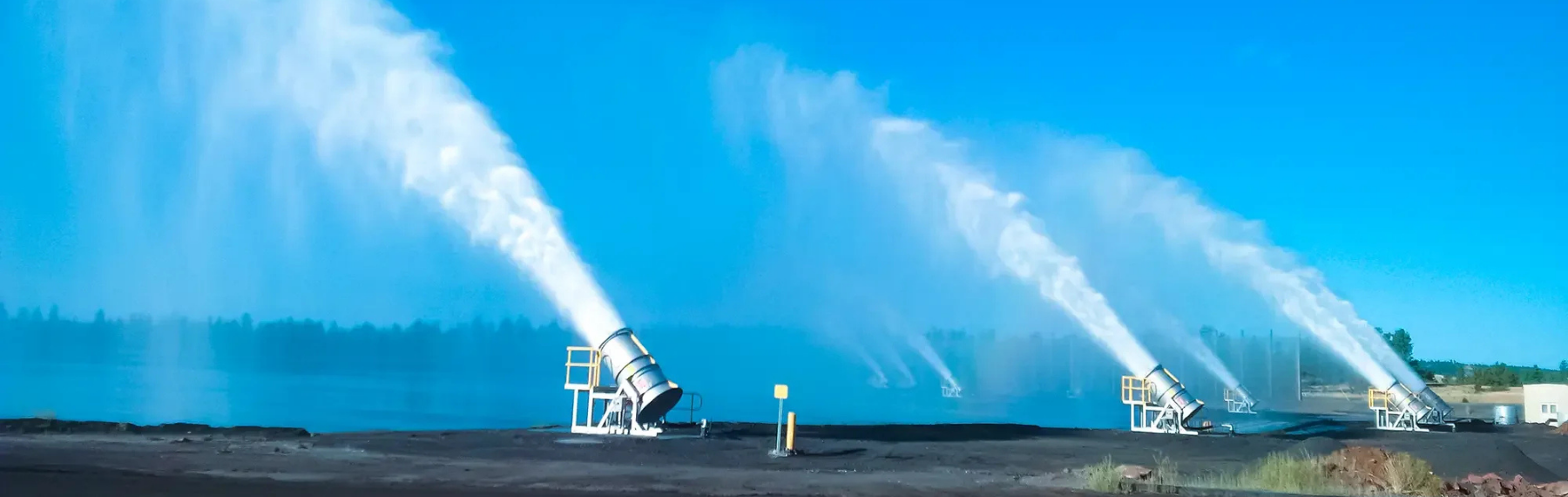
Digitization and automation in mine water management.
Digitization converts a manual water management process into data, and automation uses that data to trigger a response without a person in the loop.
Digitization: Adding a sensor, logging a reading electronically, or putting flow data on a screen instead of a clipboard.
Automation: An evaporator adjusting its output when wind speed changes, with no operator action.
Most mine sites already have both in pockets, often bought as point solutions for a single problem.
Weather-governed evaporator control.
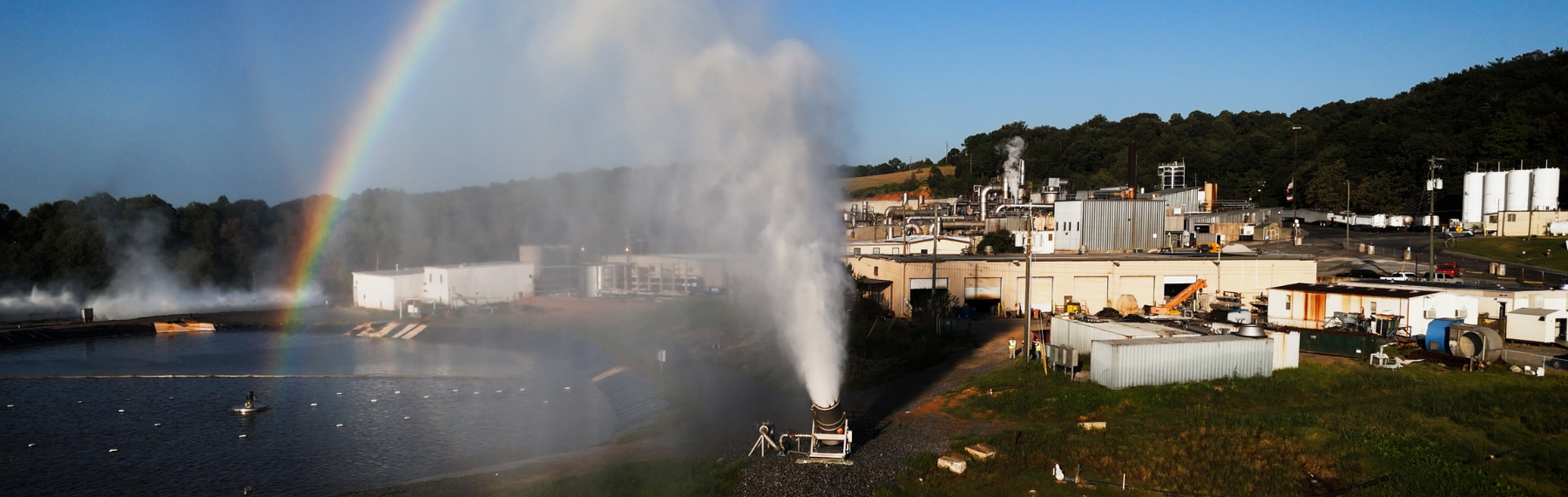
XPEL’s Environmental Management System (EMS) controls evaporator operation using inputs from weather stations, flow sensors and atmospheric monitors. It automatically adjusts flow rate, pressure and duty cycle to match humidity, temperature, rainfall and wind, without manual intervention.
The EMS also triggers start-up and shutdown sequences from environmental thresholds. Wireless connectivity and remote PLC access give authorized teams live visibility of environmental data and system behavior across multiple locations.
Where disconnected water data costs mining sites.
Water data costs mining sites time when each reading stays inside the system that collected it. A flow reading captured for evaporator control also describes site conditions that matter for wider water balance decisions.
The cost sits in the handoffs:
Duplicated oversight: A site engineer checks several dashboards instead of one.
Fragmented reporting: A compliance or water balance report draws on multiple data sources.
Slower response: Response depends on someone linking a weather alert to a change in evaporator or storage conditions.
Scheduled and weather-governed evaporator control compared.
XPEL evaporation technology behind digitized water control.
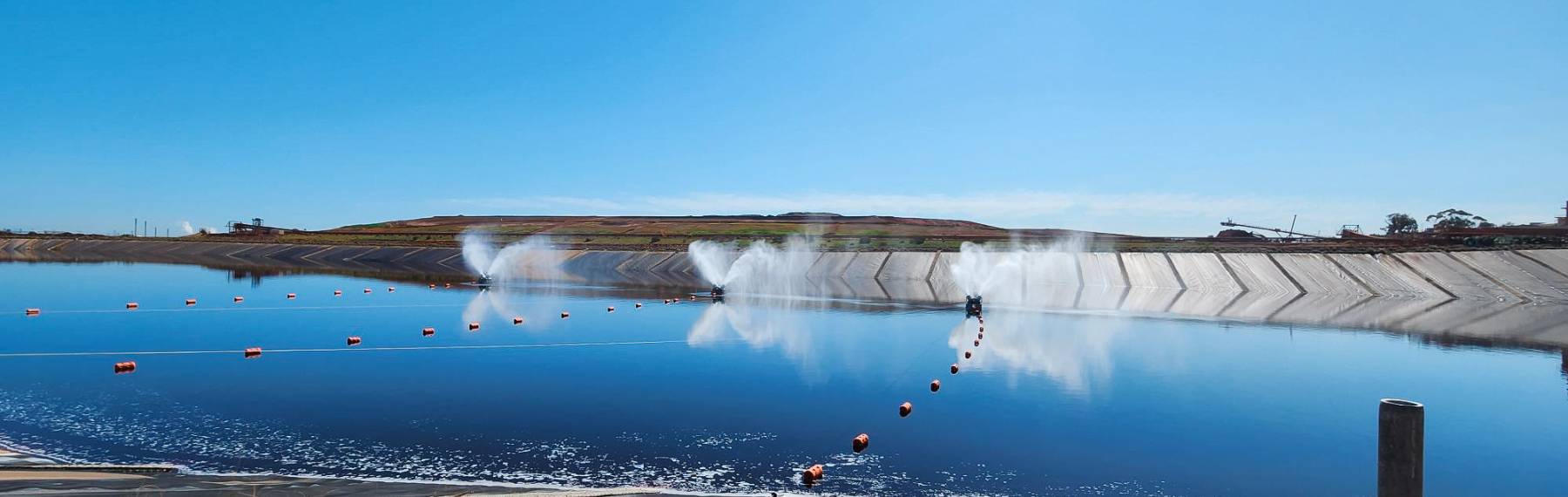
XPEL combines the EMS with patented Mechanically Enhanced Evaporation (MEE), deployed across 600+ projects in 30+ countries. The process handles a pH range from 1.8 to 14+ and delivers up to 50% volume evaporation. XPEL draws on 35+ years of evaporation technology expertise. XPEL systems support a range of water management applications across industries including mining, oil and gas, and power generation.
Talk to XPEL about digitizing your site’s water management.
XPEL evaporation systems with the EMS give sites weather-governed control of excess water, helping reduce stored volumes and keep the site water balance under control. Systems are configured around site-specific water, environmental and operational conditions.
Need evaporation that responds to the weather without constant manual oversight? Connect with XPEL’s water management team to scope an evaporation and control strategy for your site.
Frequently asked questions
How does digital monitoring reduce mine dewatering costs?
Digital monitoring reduces dewatering costs by replacing scheduled operation with weather and condition-based control. XPEL’s EMS also reduces idle time and unnecessary energy use by starting and stopping evaporators at environmental thresholds, and it records runtime and output so engineers can refine settings. Learn more about the EMS.
What is the difference between digitization and automation in mining?
Digitization converts an analog process into data, such as adding sensors or recording readings electronically. Automation uses that data to trigger a response without manual intervention. Most sites already have both, so the opportunity is connecting the data they collect.
How does weather data improve mine water evaporation?
Weather data lets evaporators adjust flow rate, pressure and duty cycle to humidity, temperature, rainfall and wind in real time. Operation follows site conditions instead of a fixed schedule.
How do mines connect water monitoring data across site systems?
Mines connect water data by routing shared readings, such as weather and flow, into one view. A detected condition then informs a coordinated response instead of separate manual reviews.