

Wastewater evaporation for municipalities in 2026.
Mechanical evaporation reduces municipal wastewater volume on site, while biological and membrane treatment improve water quality and leave sludge or concentrate to manage. Evaporation works alongside existing treatment plants and suits sites near hydraulic capacity or permit limits. This guide compares evaporation with traditional municipal wastewater reduction methods and sets out the tradeoffs in volume reduction, energy use and site constraints.
Key takeaways
Volume reduction: Mechanical evaporation reduces wastewater volume on site and leaves minimal residual solids.
Treatment methods: Biological and membrane treatment improve water quality but don't reduce total volume.
Variable chemistry: XPEL evaporation systems process acidic, caustic, high-TDS and high-TSS water.
Placement: Evaporation works alongside existing plants by drawing down ponds and storage areas.
Limits: Evaporation reduces volume and doesn't replace treatment designed to meet discharge quality limits.
Municipal wastewater reduction is a growing operational priority.
When inflows overload a sanitary sewer, the result can be a release of untreated or partially treated sewage, known as a sanitary sewer overflow. Municipal wastewater reduction lowers the volume that enters, sits in or leaves a treatment network.
The U.S. EPA reports that much of the nation's wastewater infrastructure was built after World War II, that some systems are over 100 years old, and that renewal investment hasn't kept pace with need.
Utilities can pursue volume reduction through civil expansion, flow management or mechanical evaporation.
Traditional municipal wastewater reduction methods.
Utilities use several methods to manage wastewater volume, and each addresses a different part of the problem.
Inflow and infiltration reduction: Sewer rehabilitation reduces the stormwater and groundwater that enter the sanitary sewer.
Equalization storage: Basins hold peak flows and release them gradually, which lessens flow variability without reducing total volume.
Land application and spray irrigation: Sprayed wastewater evaporates, soaks into soil or recharges groundwater, which reduces direct discharge to streams.
Natural evaporation: Evaporation-based disposal suits regions where evaporation exceeds precipitation and, like other area-intensive methods, is constrained by available land.
Biological treatment: Treatment separates liquids from solids and produces sewage sludge that needs management.
Membrane treatment: Reverse osmosis and nanofiltration produce a concentrate that represents a significant disposal challenge.
Limitations of traditional wastewater reduction methods.
Storm events and leaky sewers can overload a sanitary sewer, and EPA lists inappropriate connections and stormwater or groundwater entering through cracks and faults among the causes.
Biological and membrane treatment each leave a secondary stream. Biological treatment produces sludge and membrane treatment produces concentrate, and both carry their own handling and disposal requirements.
Land-based approaches depend on site conditions. Land application needs suitable land and soil, and natural evaporation depends on local climate.
Mechanical wastewater evaporation for municipalities.
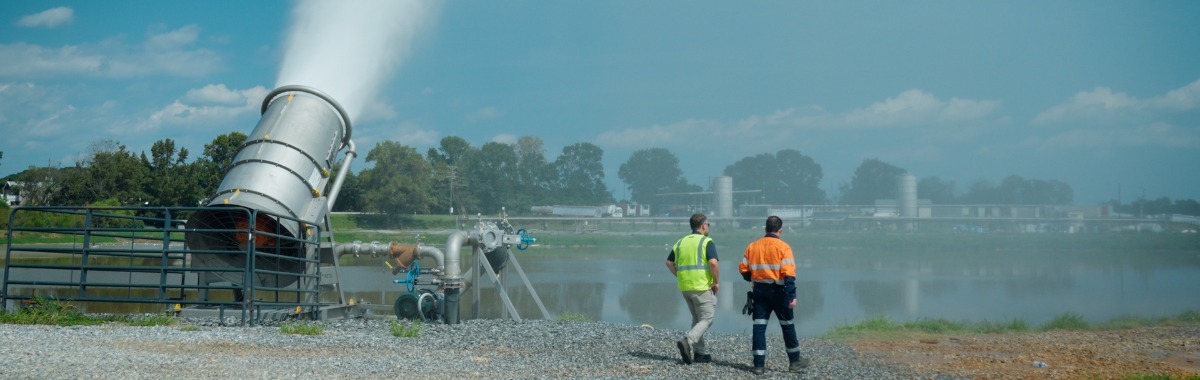
Mechanical wastewater evaporation uses fans and low-fouling nozzles to atomize wastewater and accelerate natural evaporation. The process converts liquid wastewater into vapor and leaves minimal residual solids.
XPEL nozzles are engineered to process acidic, caustic, high-TDS and high-TSS water while maintaining consistent evaporation output.
XPEL offers land-based units and pontoon units for open-water locations. An integrated Environmental Management System (EMS) tracks humidity, rainfall and wind in real time to optimize evaporation rates.
Evaporation rates depend on local weather, so XPEL offers an evaporation efficiency analysis that uses rainfall, elevation, wind speed, humidity and temperature to project evaporation rates over 12 months.
Wastewater evaporation compared with traditional wastewater reduction methods for municipalities.
Wastewater evaporation compares with traditional wastewater reduction methods for municipalities as follows:
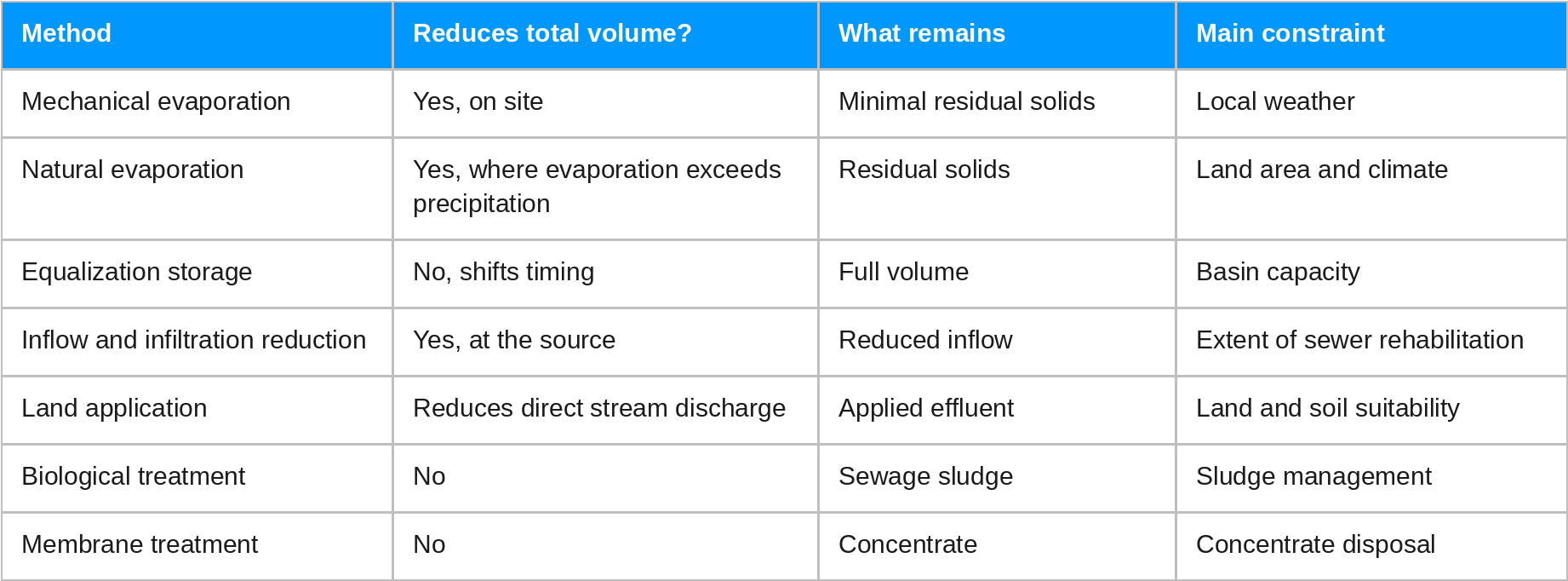
Evaporation reduces volume and doesn't replace treatment designed to meet discharge quality limits. It reduces the volume that a utility has to store, treat or haul.
Energy and operational considerations.
XPEL evaporation units have a compact footprint, low power demand and minimal moving parts. Skid-mounted units are designed for efficient relocation as site needs change.
Regulatory and compliance considerations.
National Pollutant Discharge Elimination System (NPDES) permits set limits on the pollutants a facility can discharge to receiving waters, and EPA or authorized states issue them.
Permitting requirements for evaporation vary by state and site. EPA advises contacting the EPA regional office or the state permitting authority to find out whether a discharge is covered by an NPDES permit. Utilities should confirm all state and local requirements before deployment.
Facilities pursuing zero liquid discharge can use evaporation to minimize onsite water release.
Evaluating whether evaporation fits a municipal operation.
Five site-specific factors decide the fit:
Permit pressure: Shrinking headroom against NPDES limits, or aging assets under hydraulic strain, favors volume reduction at the source.
Influent variability: Wide swings in chemistry favor a method that processes acidic, caustic, high-TDS and high-TSS water.
Available land: Constrained sites favor compact units, and XPEL land-based units have a footprint suited to space-limited installations. Remote facilities can also limit the need for trucking.
Secondary waste burden: Rising sludge or concentrate handling costs favor a method that leaves minimal residual solids.
Deployment urgency: Short capacity timelines favor skid-mounted systems that XPEL describes as fast to deploy.
XPEL supports this evaluation with a site-specific evaporation efficiency analysis based on local weather data.
Integrating evaporation into existing treatment networks.
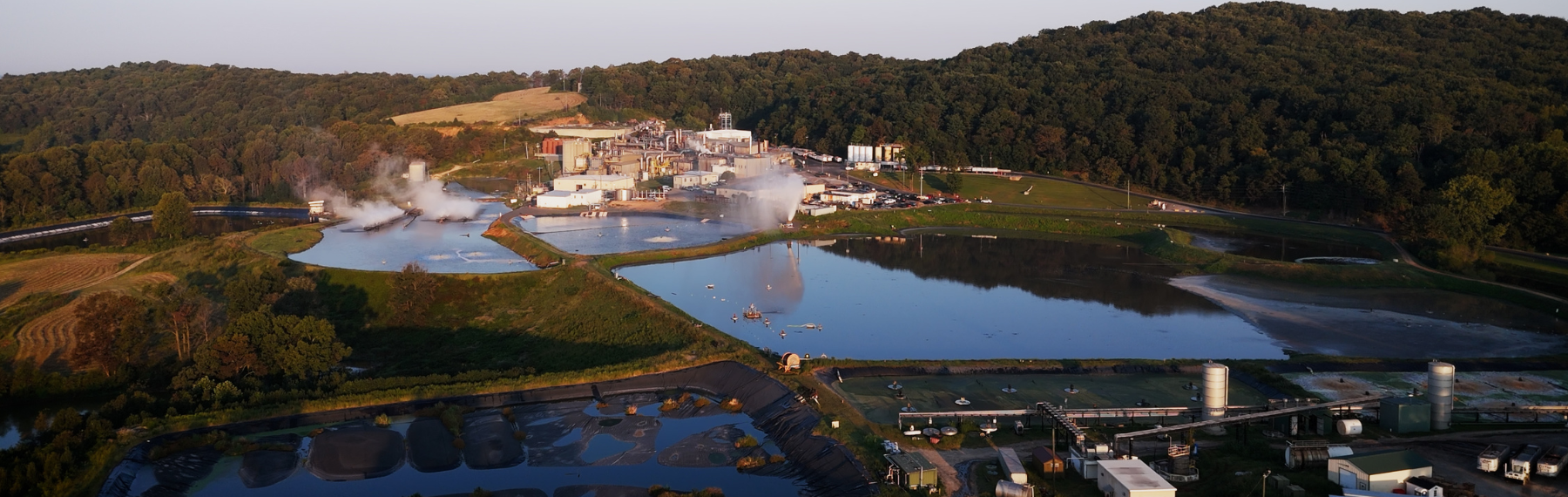
Evaporation adds a volume-reduction layer upstream of constrained assets. XPEL systems evaporate wastewater from ponds and storage areas that cannot be treated, which helps plants keep operating space available for peak inflow periods and storm-driven events.
For landfill leachate, XPEL evaporation lowers leachate volumes, easing pressure on storage ponds and reducing reliance on frequent hauling.
XPEL's technology draws on 600+ projects across 30+ countries, backed by more than 35 years of engineered evaporation technology.
Reducing municipal wastewater volume with XPEL evaporation.
XPEL mechanical evaporation gives utilities a way to reduce stored wastewater volumes, ease hydraulic pressure on downstream treatment and limit trucking. XPEL evaluates each site with an evaporation efficiency analysis before deployment, so utilities can review projected performance first.
Need to reduce wastewater volumes at your municipal facility without a multi-year plant expansion? Connect with XPEL's water management team to arrange a site-specific evaporation assessment.
FAQs about wastewater evaporation for municipalities
How does wastewater evaporation compare with traditional wastewater reduction methods for municipalities?
Wastewater evaporation reduces total volume on site, while biological and membrane treatment improve water quality and leave sludge or concentrate to manage. Inflow and infiltration reduction and land application address volume at the source or at the discharge point.
What is mechanical wastewater evaporation?
Mechanical wastewater evaporation uses fans and low-fouling nozzles to speed up natural evaporation, converting liquid wastewater into vapor on site and leaving minimal residual solids.
Can evaporation replace a municipal wastewater treatment plant?
No. Evaporation reduces volume and doesn't replace treatment designed to meet discharge quality limits. It operates alongside existing plants and lowers the hydraulic load they manage.
How does evaporation handle variable municipal wastewater quality?
XPEL systems process acidic, caustic, high-TDS and high-TSS water through low-fouling nozzles, and the EMS adjusts operation to humidity, rainfall and wind.
What are the main advantages of evaporation over membrane filtration for municipalities?
Membrane filtration produces a concentrate that represents a significant disposal challenge, while evaporation leaves minimal residual solids. XPEL systems also process high-TDS and high-TSS water.
How quickly can a municipal evaporation system be deployed?
XPEL systems are fast to deploy and skid-mounted for relocation. The schedule for a specific site depends on site preparation, power and approvals.
Does municipal wastewater evaporation require special permits?
Requirements vary by state and site. EPA advises contacting the EPA regional office or the state permitting authority to confirm whether a discharge is covered by an NPDES permit, and utilities should confirm state and local rules before deployment.